

Key Takeaways
A transmission shudder when accelerating is a symptom, not a diagnosis. Its timing, speed, and relationship to gear changes can help narrow the source before repairs begin.
- Shudder may come from fluid, torque converter, clutch, mount, engine, or driveline problems.
- A vibration that appears under a repeatable load pattern is useful diagnostic information.
- Fluid service can help some early problems, but it cannot repair worn internal parts.
- Misfires, tires, axles, and driveshafts can feel surprisingly similar to transmission trouble.
- Persistent shudder, slipping, warning lights, or burning odors warrant prompt inspection.
What transmission shudder when accelerating feels like
Transmission shudder usually feels like a rapid vibration, pulsing, or brief series of jolts through the vehicle. Some drivers compare it with driving across rumble strips, while others notice a flutter in the engine speed or a tremor in the seat. The most useful clues are when it starts, how long it lasts, and whether changing the throttle makes it stop.
How shudder differs from normal shifting
A normal shift may include a mild change in engine sound, a small pause, or a gentle change in forward pull. Shudder is different because it repeats rapidly and feels rough rather than deliberate. If the vehicle consistently shakes during an otherwise ordinary shift, or if the tachometer rises and falls without a matching change in speed, the behavior deserves attention.
Common speeds and driving conditions
Many shudder complaints appear during light acceleration, steady cruising, hill climbing, or merging into traffic. A vehicle may behave normally at full throttle but vibrate when the throttle is barely open and the transmission is trying to maintain a gear. The exact speed range varies by vehicle, so the pattern matters more than a particular number.
Vibrations from the transmission versus the engine
Transmission-related shudder often follows a gear change or torque-converter lockup and may disappear when you lift off the accelerator. An engine vibration can remain while the vehicle is stationary, change with engine speed, or become more obvious as the engine is loaded. Because the sensations overlap, a road test and scan are safer than guessing from the driver’s seat alone.
Warning signs that indicate a serious problem
A brief vibration does not always mean the transmission needs replacement, but worsening symptoms should not be ignored. Pay close attention to slipping, delayed engagement, harsh shifts, fluid on the ground, a burning smell, or a warning light. A flashing check-engine light, sudden loss of drive, or loud mechanical noise is a reason to stop driving and arrange professional help.
The most common causes of acceleration shudder
The phrase transmission shudder when accelerating covers several mechanical and hydraulic faults. Some are relatively limited and respond to correct maintenance, while others indicate worn friction material or damaged hard parts. Diagnosis should identify the failed component rather than treating every vibration with the same service.
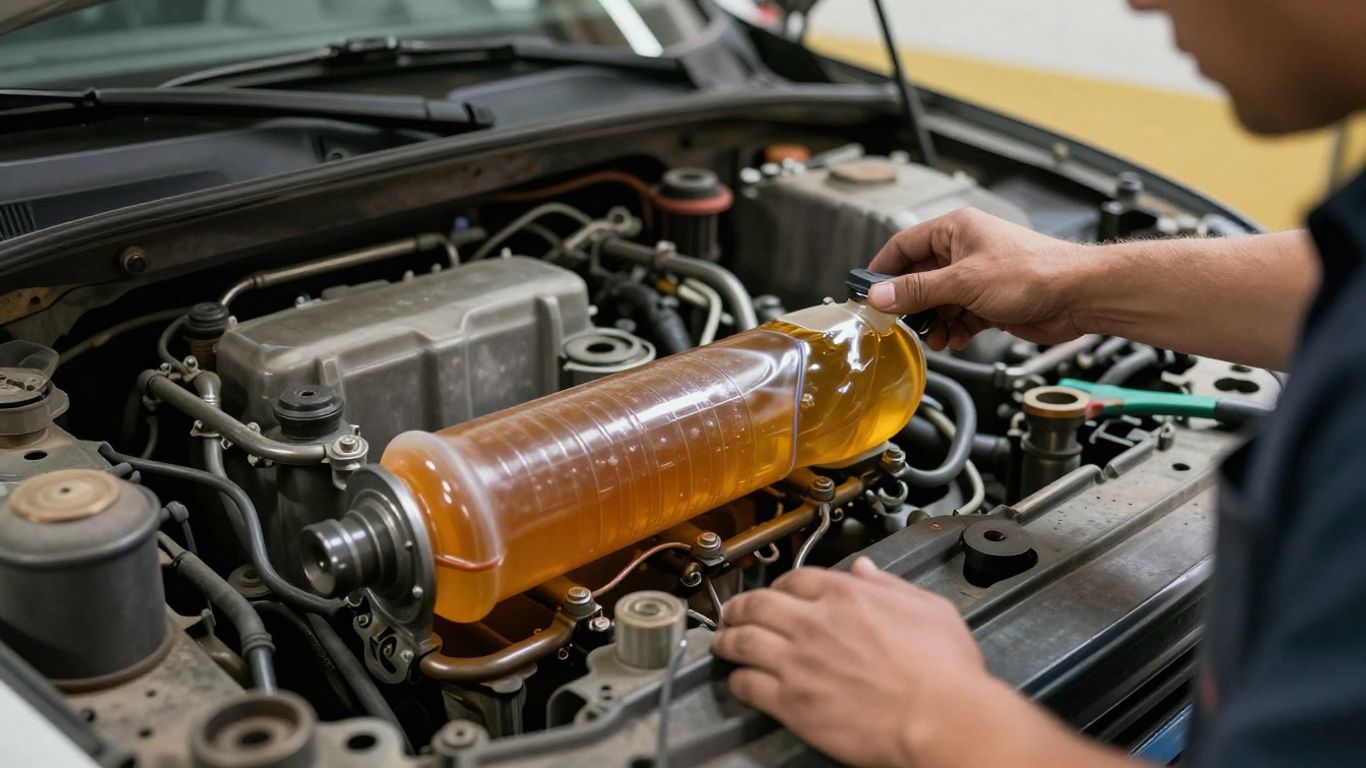
Low, dirty, or incorrect transmission fluid
Fluid supplies hydraulic pressure, carries heat away, and helps friction components engage in a controlled way. A low level can allow pressure problems, while aged or contaminated fluid may alter clutch engagement. The wrong fluid can also change the friction characteristics the transmission was designed around, so topping up with a generic product is not a reliable fix.
Worn torque converter clutch components
The torque converter clutch gradually couples the engine and transmission during certain driving conditions. If its friction surface is worn, glazed, or engaging inconsistently, the vehicle may shudder during light throttle or steady cruise. This is one of the more recognizable patterns, especially when the sensation stops after a small increase in throttle or a change in operating mode.
Internal clutch pack or gear damage
Automatic transmissions use clutch packs and gears that can wear from heat, contamination, poor lubrication, or long-term stress. Internal wear may cause shudder along with slipping, delayed shifts, incorrect gear selection, or debris in the fluid. Once friction material or a gear is physically damaged, a fluid service alone is unlikely to restore dependable operation.
Faulty engine and transmission mounts
Mounts keep the powertrain positioned while absorbing normal movement. A torn or collapsed mount can let the engine and transmission twist sharply when torque is applied, producing a thump or vibration that feels like a transmission fault. Inspecting mounts is relatively straightforward and can prevent an expensive misdiagnosis.
Other problems that can mimic transmission shudder
Not every vibration felt during acceleration originates inside the transmission. The engine, axles, wheels, tires, and driveshaft all experience greater force when the vehicle is pulling hard. A useful acceleration shudder guide can help organize the symptom pattern, but component testing is still needed for a confident answer.
Engine misfires under load
An engine can run smoothly at idle and still misfire when cylinder pressure rises under acceleration. The result may feel like a transmission grabbing and releasing, particularly during a hill climb or hard merge. Misfires may also bring a flashing warning light, reduced power, or an uneven exhaust note, although none of those signs is guaranteed.
Worn CV axles or driveshaft components
A worn inner CV joint can vibrate under acceleration and quiet down when the throttle is released. On rear-wheel-drive or four-wheel-drive vehicles, worn universal joints, center support bearings, or driveshaft angles can create a similar load-sensitive shake. The vibration may be strongest at a particular speed, but its connection to throttle position is often the better clue.
Unbalanced wheels and damaged tires
Wheel imbalance usually becomes more noticeable as road speed rises and may continue while coasting. A separated tire belt, bent wheel, or uneven tire wear can create a strong vibration that happens to coincide with acceleration. Looking for bulges or damaged tread is worthwhile, but tire and wheel concerns should be checked by a qualified shop rather than judged visually alone.
Failing spark plugs, ignition coils, or fuel injectors
Weak ignition or fuel delivery can cause intermittent hesitation that resembles a shift problem. Spark plugs and coils often reveal themselves when the engine is under load, while injector problems may create rough running across a wider range of conditions. A scan for misfire data can separate these possibilities from a transmission engagement fault.
How to diagnose the source of the vibration
Good diagnosis starts with a precise description instead of a part recommendation. Record whether the vibration happens during acceleration, steady speed, a shift, braking, or a turn. Also note whether the engine speed changes, whether lifting the throttle stops it, and whether the symptom is present when the vehicle is stationary.
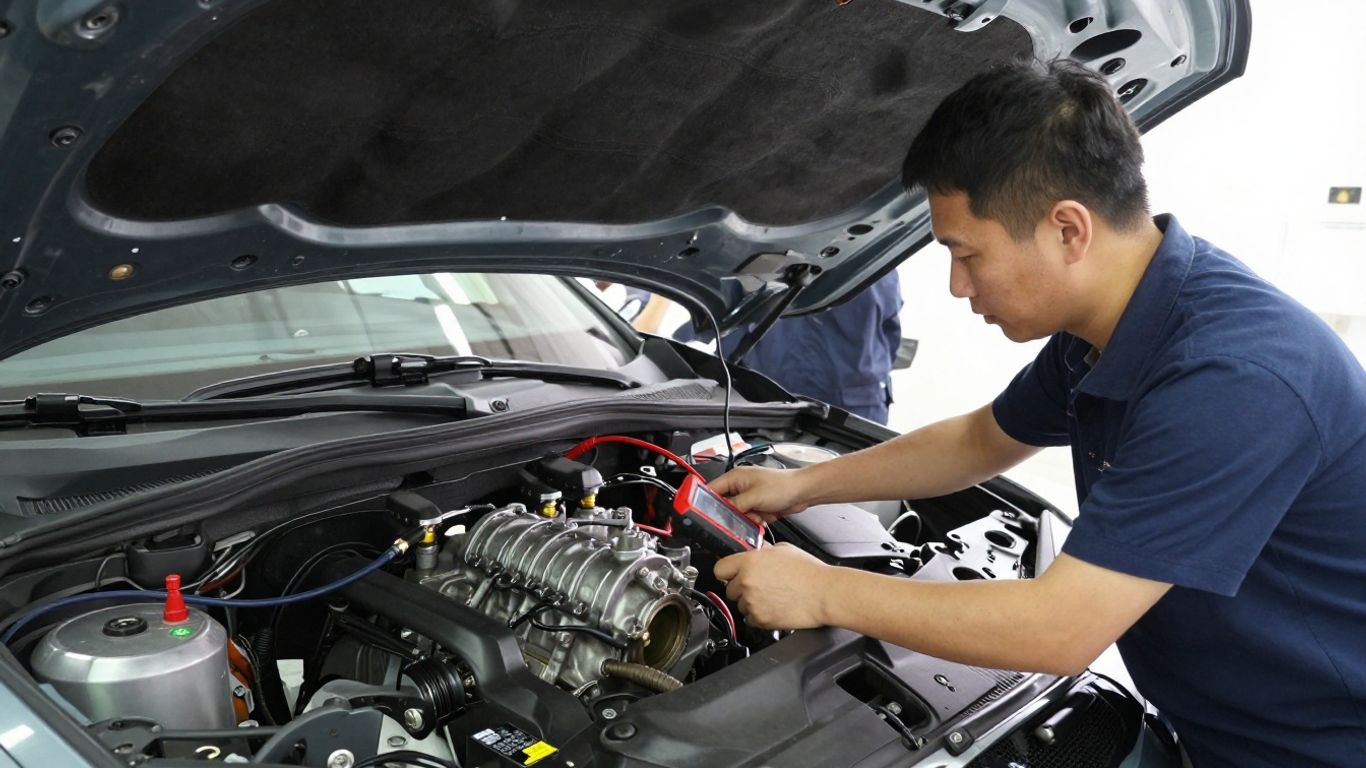
Questions to ask about when the shudder occurs
The timing of the symptom can quickly narrow the field. A technician will usually want to know the vehicle speed, engine temperature, road grade, throttle position, selected gear, and whether the vehicle is loaded. Write down those details before the visit, because an intermittent shudder may not appear during a short drive.
A compact symptom record might include:
- Does it happen cold, hot, or at every temperature?
- Does it follow a shift or occur at steady speed?
- Does lifting the throttle or tapping the brake stop it?
- Does it change during turns, braking, or coasting?
These observations do not prove a failed part, but they make testing more efficient. They also help distinguish a repeatable drivetrain event from a vibration tied mainly to road speed.
Inspecting fluid condition and possible leaks
Fluid inspection should include the level, color, smell, and evidence of metal or friction debris, using the manufacturer’s specified procedure. Some transmissions require a particular temperature or inspection method, and many modern units do not have a conventional dipstick. Leaks around seals, lines, pans, and cooler connections can explain a low level and should be corrected rather than repeatedly topped off.
Scanning for diagnostic trouble codes
A diagnostic scan can reveal transmission-control, clutch-slip, speed-sensor, or engine-misfire information even when the warning light is off. Codes are clues, not final verdicts; a stored code does not automatically identify the failed component. Live data, commanded gear, input and output speeds, and misfire counts can make the result much more meaningful.
Road-testing and checking related components
A controlled road test allows the technician to reproduce the symptom while monitoring engine and transmission data. The inspection should also include mounts, tires, wheels, CV axles, driveshaft joints, and exhaust contact points. If the vibration is reproduced safely and consistently, the repair plan can be based on evidence instead of replacing parts in sequence.
| Symptom pattern | Areas to inspect first | Useful confirming clue |
|---|---|---|
| Shudder during light throttle | Torque converter clutch, fluid | Stops when lockup releases |
| Vibration only under engine load | Misfire system, mounts, axles | Engine data or load changes reveal it |
| Vibration tied mainly to road speed | Tires, wheels, driveshaft | Continues while coasting |
| Shudder with harsh or delayed shifts | Fluid pressure, solenoids, clutch packs | Codes or abnormal shift data |
The table is a starting map, not a substitute for testing. Several faults can occur together, especially on a high-mileage vehicle, so the most convincing diagnosis is the one that explains both the timing and the supporting inspection results.
Transmission-specific causes to consider
Different transmission designs produce different failure patterns and require different diagnostic approaches. An automatic, CVT, dual-clutch unit, and four-wheel-drive system should not be evaluated with identical assumptions. Identifying the transmission type from the owner’s manual or service records is a useful first step.
Automatic transmission torque converter issues
A conventional automatic may shudder when the torque converter clutch slips instead of applying smoothly. Fluid condition, pressure control, clutch lining wear, and calibration can all affect that event. If the symptom appears at steady speed and disappears when the clutch unlocks, torque-converter testing deserves a prominent place in the diagnosis.
Continuously variable transmission behavior
A CVT changes its ratio continuously rather than making the same stepped shifts as a conventional automatic. Some normal ratio changes can feel unfamiliar, but a repeated vibration, surge, or judder is not something to dismiss simply because the transmission is a CVT. Fluid specification, belt or chain condition, pulley control, and software data may all be relevant.
Dual-clutch transmission clutch wear
A dual-clutch transmission uses separate clutch assemblies to manage different gear groups. Low-speed takeoff, creeping in traffic, and repeated engagement can make clutch wear especially noticeable. Shudder may be accompanied by delayed takeoff, harsh low-speed engagement, or a clutch-temperature warning, depending on the vehicle.
Four-wheel-drive and all-wheel-drive driveline problems
In a four-wheel-drive or all-wheel-drive vehicle, the transfer case, propeller shaft, differential, and axle components add more possible sources. Incorrect tire sizes or substantially different tread depths can also place stress on the driveline. A vibration that changes during tight turns or when the system switches drive modes needs driveline inspection, not only transmission testing.
Repair options for transmission shudder
The appropriate repair depends on what the inspection finds and how much damage has occurred. A service may be sensible when fluid condition or a filter restriction is the primary issue, while worn friction material requires a more involved repair. Avoid approving a major replacement before the shop explains the evidence behind it.
When a fluid and filter service may help
A fluid and filter service can help when the fluid is degraded, the level is incorrect, or the filter is restricted, provided the internal components are still serviceable. The procedure should follow the vehicle maker’s specifications, including fluid type, fill level, and temperature. A service may improve engagement, but it cannot reverse a damaged clutch surface or gear.
Using the correct fluid and approved additives
Fluid choice matters because transmissions are calibrated around particular viscosity and friction properties. Use the specified fluid and be cautious with additives unless the vehicle manufacturer or a qualified transmission professional approves them for that unit. A product that helps one design may be unsuitable for another, and masking a symptom can delay a needed repair.
Repairing or replacing the torque converter
When testing points to a worn torque converter clutch, the converter may need to be removed and repaired or replaced. The shop should also inspect the fluid circuit and transmission for debris or related damage. Replacing the converter without addressing contamination or the cause of abnormal operation can lead to a repeat failure.
Rebuilding or replacing the transmission
A rebuild may be appropriate when internal clutch packs, bearings, seals, or gears are worn but the case and major components remain usable. Replacement with a properly matched unit can make more sense when damage is extensive or parts availability is limited. Ask what parts are included, what testing is performed, and what warranty applies before authorizing the work.
Repair costs, urgency, and prevention
Repair cost varies widely because the same shudder sensation can come from a simple service or a damaged transmission. The vehicle’s design, accessibility, parts prices, labor rates, and extent of contamination all affect the estimate. A careful diagnosis is usually cheaper than replacing unrelated parts based on a guess.
Typical costs for diagnosis and repairs
A basic inspection or scan may cost less than a full fluid service, while torque-converter work and transmission removal require substantially more labor. Rebuilding or replacing a transmission is typically the most expensive path. Request a written estimate that separates diagnosis, parts, labor, fluid, programming, and any recommended follow-up work.
When it is safe to keep driving
A mild, occasional shudder with no warning lights, slipping, fluid leak, or loss of drive may allow a short trip to a repair facility. Drive gently, avoid towing and hard acceleration, and stop if the symptom worsens. Continued slip creates heat, and heat can turn a manageable fault into broader internal damage.
Maintenance habits that reduce future shudder
Preventive care cannot eliminate every failure, but it can reduce avoidable fluid and heat problems. Helpful habits include:
- Follow the specified fluid and service intervals.
- Check for leaks after fluid or cooler-line work.
- Keep tires matched and properly inflated on driveline-equipped vehicles.
- Address warning lights, misfires, and harsh shifts early.
These steps are simple, but they work best when paired with the correct procedure for the specific vehicle. Maintenance history also gives a technician valuable context when an intermittent vibration appears.
When to get a professional transmission inspection
Arrange an inspection promptly if the shudder repeats, grows stronger, or occurs with slipping, delayed engagement, a burning odor, fluid leakage, or warning lights. Professional testing is especially important before towing, taking a long trip, or continuing to drive a vehicle that cannot maintain speed. Early attention may preserve serviceable components and clarify whether the transmission is actually the source.
Conclusion
A transmission shudder when accelerating can reflect fluid trouble, torque converter wear, an internal transmission fault, or a problem elsewhere in the powertrain. Paying attention to the exact conditions that trigger it, then confirming those clues with a scan and inspection, is the best route to a sensible repair. Acting early also gives you more options than waiting for slipping or loss of drive.
Frequently Asked Questions
Is transmission shudder when accelerating always caused by the transmission?
No. Engine misfires, worn mounts, CV axles, driveshaft parts, tires, and wheels can create a similar vibration. The timing of the symptom and a proper inspection help separate these possibilities.
Can low transmission fluid cause shudder?
Yes, a low level can interfere with hydraulic pressure and clutch engagement. It may also indicate a leak, so adding fluid without finding the cause is only a temporary step.
Can changing the fluid fix a shudder?
It can help when degraded or incorrect fluid is the main problem and internal parts are still serviceable. It will not repair physically worn clutches, gears, or torque-converter lining.
Is it safe to drive with a shudder?
A mild symptom may allow a careful, short drive to a repair shop, but worsening shudder, slipping, burning odors, leaks, or warning lights increase the risk. Avoid towing and hard acceleration until the cause is known.
How does torque converter shudder feel?
It often feels like a rapid rumble or vibration during light throttle or steady cruising. The sensation may stop when the converter clutch unlocks after a change in throttle or operating condition.
Can bad spark plugs feel like a transmission problem?
Yes. Ignition problems may cause hesitation or shaking under load while the engine seems smooth at idle. Misfire data and engine testing can help distinguish them from transmission engagement faults.
When does shudder require a transmission rebuild?
A rebuild is considered when testing confirms significant internal wear or damage that cannot be corrected with service or an external repair. The decision should follow an inspection of fluid, codes, operating data, and mechanical components.