

Key Takeaways
Transmission problems with similar symptoms can have very different causes and price tags. Treat any cost range as a starting point, then use a written diagnosis and itemized estimate to make a decision.
- Minor fluid, seal, or electrical repairs generally cost less than work involving internal damage.
- The transmission type, vehicle, parts availability, and local labor rate all affect the total.
- Ask for a diagnosis and a written estimate that separates parts, labor, and fees.
- Compare repair, rebuild, and replacement options by scope and warranty—not just by the headline price.
- Address warning signs promptly and follow the vehicle maker’s maintenance schedule to reduce the chance of additional damage.
Typical transmission repair costs
A transmission repair cost guide can help you plan, but it cannot predict a vehicle’s bill without a diagnosis. A fluid or sensor issue may be relatively simple, while worn internal parts can require extensive labor. Estimates also vary by vehicle and shop, so use broad ranges as context rather than a promise of what a particular repair will cost.
Minor repairs versus major repairs
A leak, fluid service, or accessible electrical part may be a smaller job if the transmission itself is otherwise in good condition. A similar symptom can also point to a more serious problem, so the symptom alone is not a reliable way to estimate the bill. A transmission warning-sign guide can offer general examples of symptoms, but a technician needs to inspect the specific vehicle.
For a rough comparison, the ranges below are planning figures in U.S. dollars, not quotes. Actual prices depend on the vehicle, the work required, and the shop.
| Work type | Broad planning range | Why estimates vary |
|---|---|---|
| Diagnostic inspection | About $15–$250 | Some shops apply the fee toward approved repairs |
| Fluid or minor service | About $80–$1,100 | Fluid specification, access, and service scope matter |
| Component repair | About $150–$1,200 or more | The part and labor time vary by vehicle |
| Major repair | About $525–$3,200 or more | Internal damage can expand the job considerably |
These broad bands overlap because the same complaint can have very different causes. A low quote may cover only diagnosis or a limited repair, while a higher one may include additional parts and labor. Ask the shop to explain exactly what its figure includes before comparing it with another estimate.
Repair, rebuild, and replacement cost differences
A targeted repair addresses a particular fault, such as a leaking seal or a failed component. A rebuild involves disassembling the transmission, inspecting it, and replacing specified worn or damaged parts; replacement generally means installing another transmission, which may be new, remanufactured, or used. Each option has a different scope, and the lowest initial price does not automatically mean the lowest risk or best value.
When reading estimates, check whether removal and installation, fluids, programming, and related work are included. A price that looks lower can exclude work another shop has already counted. Ask what the shop will do if inspection uncovers additional damage, and get approval terms in writing.
How vehicle type affects the estimate
A small car, a heavy truck, and a performance vehicle can call for different parts and labor. Some transmissions are harder to access, and some parts are less readily available; both can add time or expense. The vehicle’s year, make, model, engine, and transmission configuration help a shop identify the correct parts and estimate the job.
Common transmission problems and their repair costs
Transmission trouble can show up as a leak, delayed shifting, slipping, a warning light, or an unfamiliar noise. Those signs are useful clues, but they do not identify a failed part on their own. The cause and the extent of any damage determine whether the fix is small or substantial.
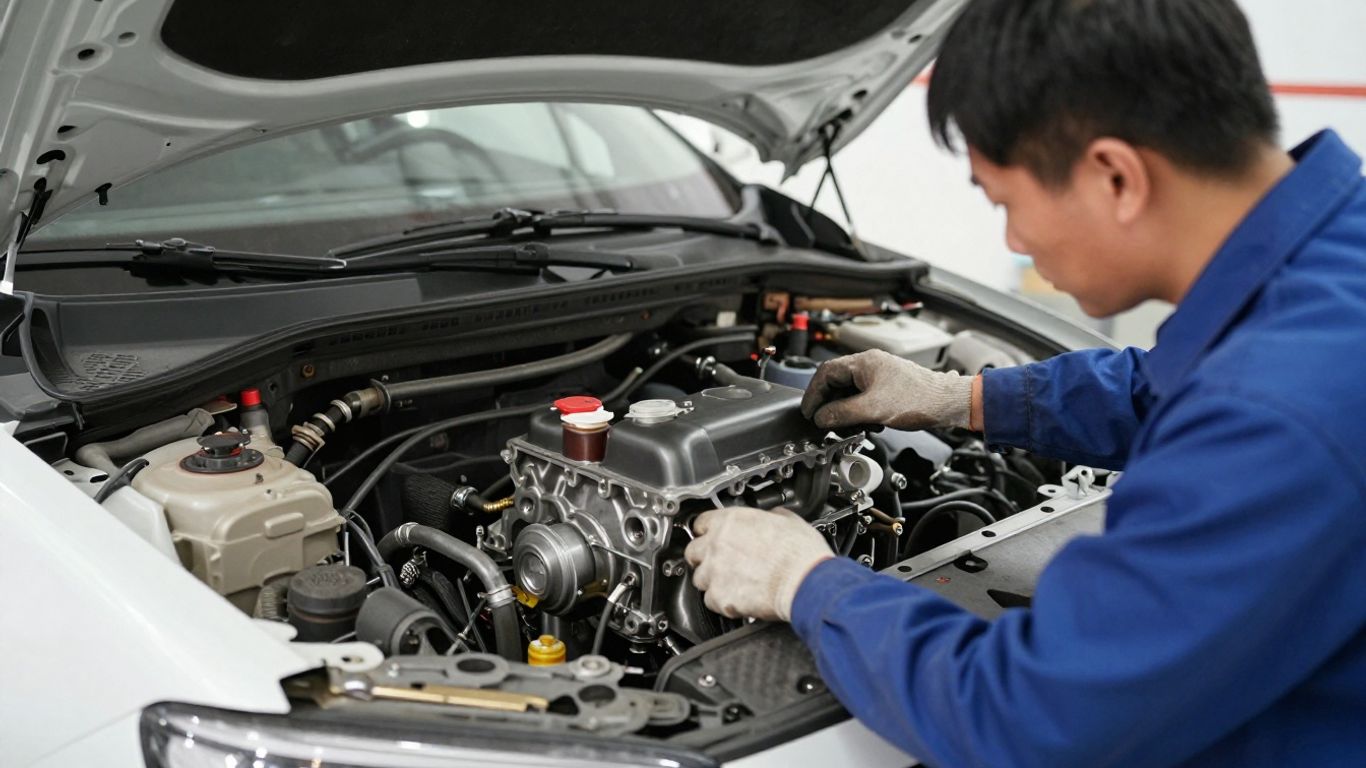
Leaks, seals, and fluid-related issues
A leak may come from a seal, gasket, cooler line, or another connection. Repair cost depends on where the fluid is escaping and how difficult the area is to reach. A fluid service may be appropriate in some cases, but adding fluid without finding the leak does not resolve the underlying problem.
Transmission fluid that is low, discolored, or has an unusual smell warrants attention, though appearance alone cannot confirm the cause. Avoid continuing to drive if the vehicle is losing fluid quickly, slipping, or behaving unpredictably; operating it with inadequate fluid can contribute to further damage. A shop can check the level using the procedure specified for that vehicle and inspect for leaks.
Solenoid, sensor, and valve body repairs
Sensors and solenoids help control or report transmission operation, while the valve body directs fluid through the transmission. A fault in one of these areas can cause shifting symptoms, but similar behavior may also come from wiring, fluid condition, or internal wear. Diagnosis matters before replacing a part based only on a warning code or a single symptom.
The total depends on whether the faulty item is accessible on its own or whether more extensive disassembly is required. Ask the shop what test results support its diagnosis and whether the quoted work includes clearing codes or verifying operation after repair. That explanation can make it easier to distinguish a confirmed repair from a guess.
Clutch, torque converter, and internal damage
Worn clutch components, torque-converter trouble, or damage inside the transmission can be more involved than a leak or an external sensor. Symptoms may include slipping, shuddering, delayed engagement, or harsh shifts, but these can overlap with less serious faults. A proper inspection helps establish whether the repair can be limited to one component or whether wear is more widespread.
When internal work is likely, ask which parts will be replaced, what inspection may reveal, and how the price could change if additional damage is found. The estimate should also clarify whether the transmission will be rebuilt in the vehicle or removed for work. That level of detail helps you understand why the labor and parts costs differ from a smaller repair.
What affects your final repair bill
A transmission estimate reflects more than the replacement part. Labor time, diagnostic work, vehicle design, and the shop’s rates all contribute to the total. Two estimates can differ for reasonable reasons, but they should describe comparable work before you judge one as a better deal.
Parts, labor, and diagnostic fees
Parts may be original equipment, aftermarket, remanufactured, or used, depending on the job and what is available. Labor is affected by how much has to be removed to reach the fault and how long the repair takes. Diagnostic fees may be billed separately, included in the quoted repair, or credited toward authorized work; ask which arrangement applies.
If the estimate is unclear, ask the shop to separate the main cost categories. That gives you a more useful way to assess the proposal than the total alone. A detailed breakdown can also make it easier to discuss a less expensive part option or a second opinion without losing sight of the repair scope.
Automatic, manual, and CVT transmission differences
Automatic, manual, and continuously variable transmissions use different designs and repair procedures. A manual clutch job, for example, is not the same kind of work as diagnosing a shifting fault in an automatic, and a CVT may require parts and procedures specific to that unit. These differences affect both the parts selected and the labor involved.
The vehicle identification number and exact transmission code can help a shop confirm fitment. If you are researching replacement parts, provide those details and confirm compatibility with the installer before purchasing. A part that appears to match a model name may still differ by year, engine, or transmission variant.
Vehicle age, availability, and regional labor rates
Older or less common vehicles can be more challenging to repair if parts are difficult to source. A shop may need extra time to locate the correct component, and shipping can affect the schedule or price. Labor rates also differ by region and by shop, so a quote from one area may not reflect local pricing elsewhere.
A used, remanufactured, or aftermarket part can sometimes change the estimate, but the options and warranty terms need to be considered together. Ask whether the part is available for your exact vehicle and how long delivery is expected to take. Do not assume that a lower part price means the complete repair will cost less once labor and coverage are included.
How to understand a repair estimate
An estimate is most useful when it explains the diagnosed fault, the proposed work, and the cost of each major step. If a shop gives only a single total, ask for a written breakdown before authorizing a repair. Clear details help you compare proposals and understand what could change once work begins.

What a detailed written quote should include
A written quote should identify the vehicle and the diagnosed problem, then describe the work the shop recommends. It should show parts and labor separately where possible and list diagnostic charges, fluids, taxes, and any other fees. The estimate should also say whether the price is fixed or may change if inspection reveals additional damage.
The authorization process matters, too. Confirm that the shop will contact you before performing work beyond the quoted scope, and ask how long the estimate remains valid. If the repair includes a transmission supplied by the shop, make sure the quote names the type of unit and includes its installation terms.
Questions to ask about parts and warranty coverage
Parts with similar descriptions can have different origins, condition, and coverage. Ask what type of part is being proposed and whether the warranty covers parts, labor, or both. Find out whether the warranty has time or mileage limits and whether particular maintenance or service conditions apply.
Before agreeing to the job, it helps to ask a few direct questions:
- What diagnosis supports this repair recommendation?
- Which parts are new, used, remanufactured, or aftermarket?
- What costs are excluded from this estimate?
- Will you contact me before adding work or charges?
The answers can clarify what you are buying and what protection comes with it. Keep the estimate and warranty terms together with the final invoice so you can check that the completed work matches what you approved.
How to compare estimates from multiple shops
Comparing estimates is useful only when the proposed work is similar. One shop may recommend replacing a specific component, while another may price a broader repair or a complete transmission. Check diagnosis, included parts, labor, fees, parts type, and warranty side by side before focusing on the total.
If you are comparing other service proposals as well, the same habit of checking scope can help when reviewing Loop 340 Overhead Door safety information or Attic Fanatics insulation services. For non-automotive plans, a medical assistant career guide, an Airbnb HVAC maintenance guide, or Alte Leipziger insurance information covers a different subject, but each is a reminder to read the details behind a headline price. For transmission work, keep your comparison focused on the specific diagnosis and repair each shop has written down.
Repair, rebuild, or replace your transmission
The right option depends on the fault, the condition of the transmission, the vehicle’s value, and how long you expect to keep it. A focused repair may be enough for a localized problem, while widespread wear can make a rebuild or replacement more practical. Ask the shop to explain the evidence behind each recommendation and the trade-offs in cost and coverage.
When a targeted repair may be enough
A targeted repair can make sense when testing identifies a single, accessible fault and the rest of the transmission appears serviceable. Fixing a seal, sensor, or other specific component may avoid the expense of broader work. The technician should be able to explain how the diagnosis points to that part and whether any related damage is present.
It is also reasonable to ask what is not being addressed. A limited repair may restore operation without resolving other wear that has not yet caused symptoms. Ask about the expected outcome and whether the shop recommends monitoring anything after the work is complete.
When rebuilding can make sense
A rebuild may be considered when internal components are worn or damaged but the transmission housing and other major elements can be reused. The shop disassembles the unit, inspects components, and replaces parts included in the agreed scope. The final price and warranty depend on the extent of the work and the rebuilder’s terms.
Ask for a clear description of what “rebuild” means in that estimate, since the term can describe different scopes of work. Find out which components are replaced, which are inspected or reused, and how additional damage will be handled. That detail makes a rebuild quote easier to compare with a replacement option.
When replacement may be the better option
Replacement may be worth considering when damage is extensive, a rebuild is not practical, or a suitable replacement unit is available at a reasonable total cost. The unit could be new, remanufactured, or used; each option has different price and coverage implications. The quote should identify what is being installed and whether removal, installation, fluids, and related work are included.
Compare the full installed cost and warranty, not just the price of the transmission itself. Also weigh that figure against the vehicle’s overall condition and value. A lower-cost unit with limited coverage may not be equivalent to a more thoroughly remanufactured option.
Ways to manage transmission repair costs
You may not be able to control every part of the bill, but you can make the decision more deliberate. Get a clear diagnosis, compare estimates that cover the same work, and ask which costs are essential now. Acting on symptoms early can also help avoid operating the vehicle while a problem worsens.
How to prioritize repairs without risking further damage
Ask the technician whether the vehicle is safe to drive and what could happen if you delay the repair. A minor leak or shifting issue may still need prompt attention if continued driving could damage the transmission. If the vehicle slips, loses fluid rapidly, or cannot engage gears reliably, avoid guessing at the cause or driving it farther than necessary.
A good recommendation should explain the urgency and the reason behind it. If the repair is not urgent, ask whether the shop can separate immediate safety or damage-prevention work from optional work. That keeps the decision focused without ignoring a problem that may become more costly.
Payment plans, warranties, and service contracts
If paying the full bill at once is difficult, ask the shop whether it offers payment plans and review the terms before agreeing. Check the total repayment amount, fees, and due dates. For insurance, warranties, or service contracts, confirm that the specific failure and repair are covered before assuming reimbursement is available.
Coverage can depend on exclusions, maintenance records, authorization rules, and the kind of failure. Contact the provider with the diagnosis and estimate, and ask what documentation is required. Do not approve extra work based on an assumption that a contract will pay for it.
Maintenance steps that may help prevent future costs
Follow the maintenance schedule for your exact vehicle, including any transmission-fluid inspection or service specified by its manufacturer. Pay attention to leaks, warning lights, shifting changes, and unusual smells, and arrange an inspection when something changes. Keeping service records can also help clarify what work has already been done.
Maintenance cannot prevent every failure, and fluid service is not a substitute for diagnosing an existing fault. Use the correct fluid and service procedure for the vehicle rather than relying on a generic recommendation. If you are unsure what applies, check the owner’s manual or ask a qualified shop.
Conclusion
Transmission repair costs depend on what has failed, how the vehicle is built, and the scope of work a shop recommends. A written diagnosis, comparable estimates, and clear warranty terms can turn a worrying surprise into a more manageable decision. Use broad price ranges to plan, but base your choice on the repair details for your vehicle.
Frequently Asked Questions
How much does transmission repair usually cost?
Costs range from relatively modest charges for diagnosis or minor repairs to several thousand dollars for major work. The vehicle, fault, parts, labor, and location all affect the final estimate.
Can I keep driving with a transmission problem?
It depends on the symptom and its cause. If the vehicle is slipping, losing fluid quickly, or struggling to engage gears, ask a shop whether it is safe to drive; continued operation can worsen some problems.
Does a transmission warning light mean I need a rebuild?
No. A warning light indicates that the vehicle has detected a fault, but it does not by itself establish the cause or repair scope. Diagnosis is needed before deciding what work is appropriate.
Is a rebuild cheaper than replacing the transmission?
It can be, but not always. The cost depends on the damage, the rebuild scope, the replacement unit, labor, and warranty terms, so compare complete written estimates.
Should I get more than one repair estimate?
For a major repair, comparing written estimates can help you understand the options. Make sure each shop is quoting the same diagnosis and scope before comparing totals.
What should a transmission repair warranty cover?
Ask whether coverage applies to parts, labor, or both, and check its time and mileage limits, exclusions, and conditions. The written warranty should explain how to request service if a problem returns.
Can changing transmission fluid fix a slipping transmission?
Sometimes fluid condition or level is part of the problem, but slipping can also result from worn or damaged components. Have the cause diagnosed rather than assuming a fluid change will solve it.