

Key Takeaways
A rattle at idle can come from the gearbox, clutch, or nearby parts, and the sound alone rarely identifies the cause. Pay attention to when it starts, how it changes with the clutch, and whether shifting or driving also feels different.
- Note whether the rattle changes when you press the clutch pedal.
- A new, worsening, or grinding noise deserves prompt attention.
- Loose exhaust parts and mounts can imitate gearbox noise.
- Avoid risky tests; record symptoms while the car is safely parked.
- Have a mechanic confirm the cause before replacing internal parts.
What a gearbox rattle at idle can sound like
A manual gearbox rattling at idle may be a faint chatter, a sharper metallic tick, or a heavier knocking sound. The tone and timing can help narrow down what to inspect, but they cannot confirm a fault by themselves. Note whether the car is in neutral, whether the clutch pedal is released, and whether the sound changes after a short drive.
A light metallic chatter or ticking
A light, rapid chatter may seem to come from the bellhousing or transmission area, particularly when the car is stationary in neutral. Some vehicles make a modest gear or flywheel rattle under particular operating conditions, so a soft sound that has been present for a long time is not automatically evidence of failure. What matters is whether it is new, getting louder, or accompanied by other changes.
Try to describe the sound rather than naming a part: “a quick metallic chatter at idle” gives a mechanic a useful starting point without assuming the gearbox is to blame. You can compare your observations with manual gearbox noise examples, while remembering that examples are not a substitute for inspecting your own car.
A deeper knocking or grinding noise
A heavier knock or a grinding quality is more concerning than a faint, steady chatter, especially if it comes with vibration, difficulty selecting gears, or noise while moving. Grinding can have several causes, including clutch operation or internal transmission wear; listening alone cannot distinguish them reliably. Avoid repeatedly revving the engine or shifting through gears to provoke the sound.
If the noise is harsh, suddenly appears, or is rapidly worsening, arrange an inspection rather than treating it as a harmless idle characteristic. A mechanic can check whether the sound follows engine speed, clutch movement, or vehicle movement, which helps separate possible sources.
How the sound changes as the engine warms up
Some noises become more noticeable as the engine and transmission warm, while others fade or remain much the same. Temperature-related change is useful to report, but it does not prove a particular cause. Note roughly how long the car has been running and whether the noise changes with accessories such as air conditioning switched on.
Keep the comparison simple and safe: listen at a normal idle, then note what happens during ordinary use. A familiar noise that suddenly changes deserves attention even if it has been present for months.
Common causes of rattling at idle
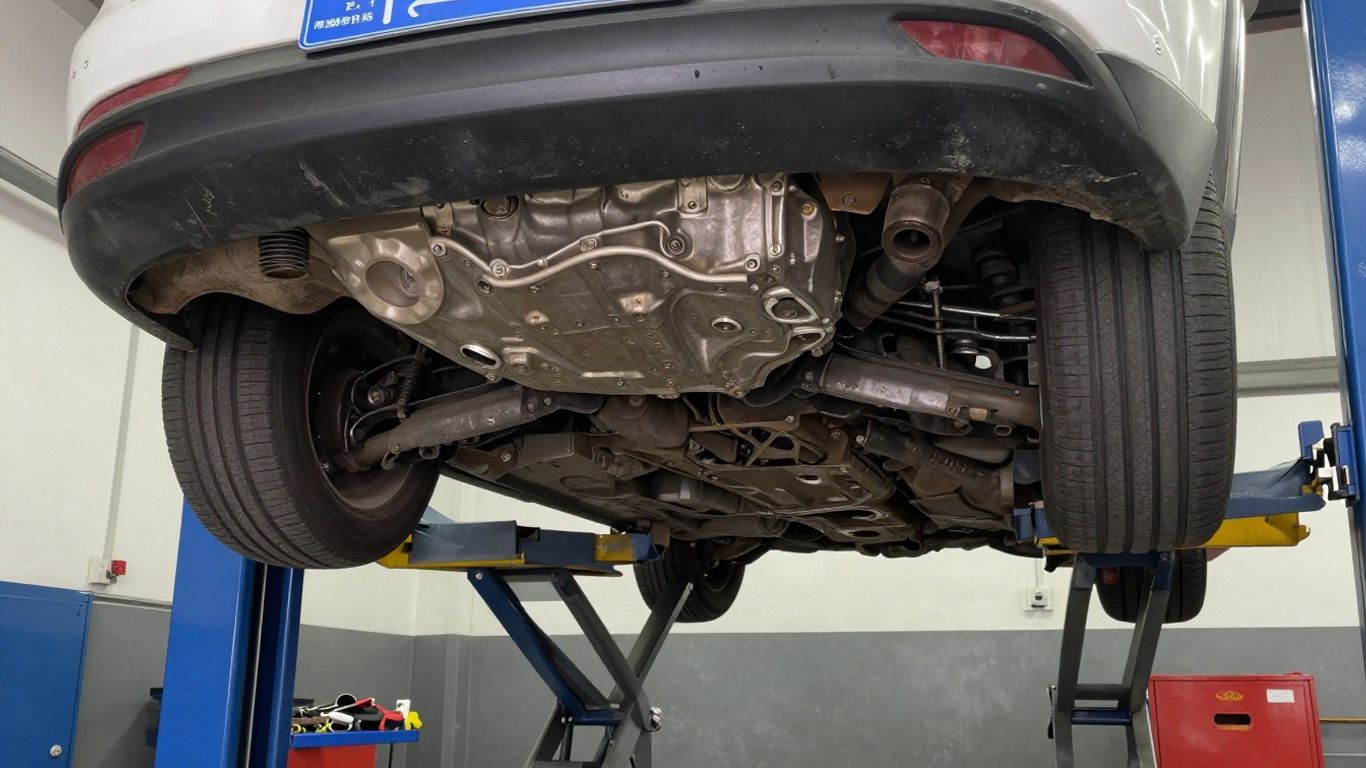
A rattle near the gearbox does not always come from inside it. The clutch, engine mounts, exhaust hardware, and other nearby components can transmit vibration through the body, making the location difficult to judge from the driver’s seat. A useful diagnosis checks the surrounding parts as well as the transmission itself.
Worn or loose transmission components
Wear or looseness within a transmission can create noise, but the sound may vary with gear selection, load, or vehicle speed. A mechanic may check the transmission fluid condition and level where appropriate, inspect external linkages and fasteners, and look for related shifting symptoms. Internal wear should be confirmed before major repair work is recommended.
Descriptions such as a bearing-like whine or a gear-specific noise can help guide an inspection, but they are not definitive diagnoses. A manual transmission noise guide discusses possible sources of an idle rattle; use it as background, not as proof that a particular component has failed.
Clutch and release-bearing problems
The clutch changes which components are turning and which are under load, so the pedal can provide a useful clue. A noise that changes when the pedal is pressed may involve the clutch or parts connected to it, but the pattern is not conclusive on its own. Release-bearing wear can produce noise during pedal operation, while other clutch-related faults may also affect engagement or shifting.
Notice whether the sound occurs as the pedal first moves, while it is held down, or after it is released. Do not hold the pedal down for long periods just to test the noise; describe what happens during a brief, normal check while the vehicle is parked safely.
Engine, exhaust, or mount vibrations that mimic gearbox noise
A loose heat shield, exhaust bracket, engine mount, or other external part can vibrate at idle and sound as if it comes from the transmission. An engine that idles unevenly may also send extra vibration through the drivetrain. These possibilities are worth checking before assuming that an internal gearbox repair is needed.
The examples below show why a sound’s timing and accompanying symptoms matter more than its apparent location. A mechanic can use these patterns to decide what to inspect first, then verify the cause directly.
| What you notice | Possible area to inspect | Why it is only a clue |
|---|---|---|
| Noise changes with clutch pedal position | Clutch or related components | Several parts respond to pedal movement |
| Rattle seems strongest at idle | Exhaust, mounts, or transmission | Vibration can travel through the vehicle |
| Grinding accompanies difficult shifting | Clutch operation or gearbox | Multiple faults can affect gear selection |
| Noise changes while moving | Drivetrain or transmission | Speed and load can alter several sounds |
Use the table to organize observations, not to choose a repair. A shop should confirm the source before recommending replacement parts.
What the clutch pedal can reveal
The clutch pedal is a useful observation point because pressing it changes the connection between the engine and transmission. Compare the sound with the pedal fully released and briefly pressed while the car is stationary in a safe place. The result can guide an inspection, but it cannot identify a failed part by itself.
Rattle that stops when you press the clutch
If a rattle in neutral stops when you press the clutch, the change suggests that the noise may be related to components whose rotation or loading changes with the pedal. That does not establish that a bearing or gearbox part is worn. Some vehicles can have characteristic light chatter, so a mechanic should consider the vehicle’s history and whether the sound is new or worsening.
Owner discussions describe similar patterns in particular vehicles, including BMW M3 idle chatter and 02S gearbox rattle. These are model-specific examples rather than a rule for every manual transmission; avoid assuming that a sound is normal merely because another car makes something similar.
Noise that starts or gets louder when you press the clutch
A noise that appears or grows as the pedal is pressed may point the inspection toward the release mechanism or other clutch components. Pay attention to whether it begins as the pedal moves, continues while the pedal is held down, or fades when it is released. Mention any change in pedal feel, such as unusual vibration or a change in resistance.
Because several parts move or take load during clutch operation, a pedal-related noise still needs an inspection. If the pedal feels abnormal or the clutch does not disengage cleanly, avoid unnecessary driving and arrange professional advice.
Rattle that stays the same with the pedal in or out
If the sound does not noticeably change with the clutch pedal, the source may be elsewhere, including an exhaust component, mount, or another vibrating part. It is also possible for a gearbox or clutch-related noise not to show a clear change during a brief pedal check. The lack of a change is information, not an all-clear.
Pay attention to other clues, especially whether the noise follows engine speed, vehicle speed, or a particular gear. A technician can compare those conditions during a controlled inspection rather than relying on one test.
How to diagnose the rattle safely
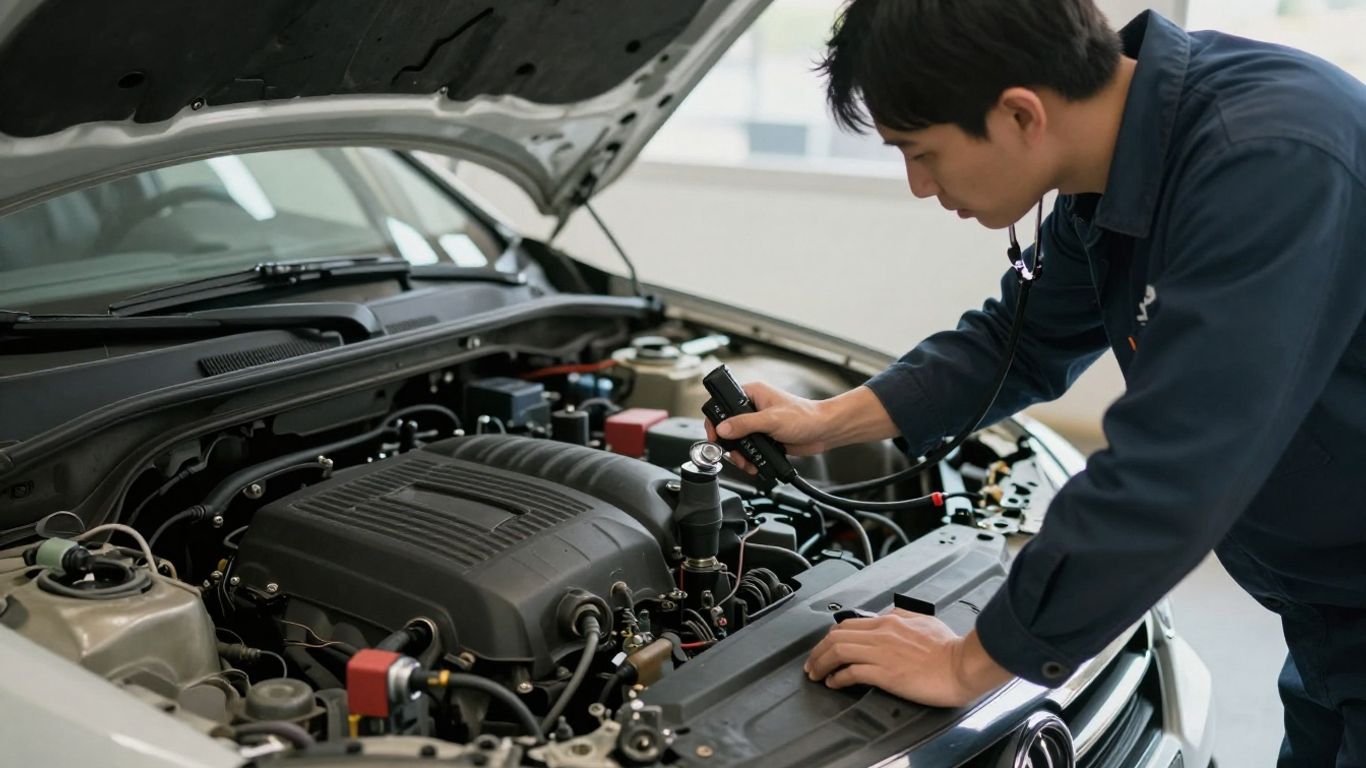
A useful diagnosis begins with clear observations, not attempts to recreate the noise in risky conditions. Keep the vehicle on level ground, use the parking brake, and follow the owner’s manual for safe operation. Do not crawl beneath a running car or work near moving parts.
Note when the noise begins and how it changes
Record whether the rattle happens only at idle, whether the engine is cold or warm, and whether the clutch pedal changes it. Note any difference when the air conditioning or other normal accessories are used, but do not make repeated or unusual changes just to trigger the sound. A short phone recording from a safe position may help a repair shop understand what you mean.
Keep the notes specific and brief. “Metallic rattle in neutral after ten minutes; quieter when the clutch is pressed” is more useful than guessing that a particular bearing has failed.
Check for related symptoms, such as difficult shifting
A rattle accompanied by difficult gear selection, clutch slip, a burning smell, fluid leakage, or a new vibration needs more attention than an isolated faint noise. Do not force the gear lever or continue testing if shifting becomes difficult. Note when the symptom occurs and whether it changes while driving normally.
A focused set of observations can help the mechanic start efficiently. Before calling, gather these details:
- When the noise occurs: cold start, warm idle, or both.
- Whether the car is in neutral or a gear, and the clutch pedal position.
- Any change in shifting, clutch feel, vibration, or fluid leaks.
- Whether the sound is new, worsening, or long-standing.
These details describe what the car is doing without presuming the cause. Share them with the repair shop and let the technician decide which checks are appropriate.
Have a mechanic inspect the clutch, gearbox, mounts, and exhaust
A proper inspection can compare the sound at idle and during controlled clutch operation, then check nearby mounts and exhaust hardware as well as clutch and gearbox components. Further checks depend on the vehicle and symptoms. If a fault is confirmed, ask the shop to explain what evidence points to that part before authorizing extensive work.
A rattling condition in an Eaton transmission may have its own model-specific guidance, so Eaton idle-rattle information should not be generalized to a different vehicle. The right diagnostic path depends on the exact transmission and the condition found during inspection.
Repairs that may resolve the noise
The right repair depends on the confirmed source, not simply on where the driver hears the rattle. A loose external part may need a straightforward adjustment, while a clutch or internal gearbox fault can require more involved work. Ask the repairer to distinguish observed wear from a suspected cause.
Tighten or replace loose external components
If inspection finds a loose exhaust shield, bracket, fastener, or mount, securing or replacing that component may resolve the vibration. The mechanic should check that the part is correctly positioned and that surrounding hardware is sound. Replacing unrelated parts without evidence is unlikely to be a useful first step.
When a replacement is needed, the publisher’s Australian car-parts supplier business connects customers with quality used, genuine, and aftermarket parts through its network. That sourcing capability can be relevant once a mechanic has identified the correct component; it does not determine what is wrong with the car.
Repair worn clutch or release components
If a worn clutch or release component is confirmed, the repair may involve replacing the affected parts and checking related components for wear. The shop can explain whether the noise matches the inspection findings and what additional work is necessary while access is available. A pedal-related sound alone is not enough reason to replace a clutch assembly.
A parts supplier can help customers find parts after the required specification has been confirmed. For vehicles across Melbourne, Sydney, Brisbane, and elsewhere in Australia, the business describes its network as a way to make finding suitable parts fast and affordable; confirm compatibility with the repairer before ordering.
Service or rebuild the gearbox when internal wear is confirmed
Internal gearbox work should follow evidence of internal wear or damage, not a vague rattle alone. Depending on what the inspection finds, a repair may involve service, replacement of particular components, or a rebuild. The shop should explain the diagnosis, the proposed scope, and any practical alternatives before work begins.
Parts availability can matter when a confirmed repair is planned. The supplier connects customers with used, genuine, and aftermarket options, but the mechanic’s assessment and the vehicle’s exact requirements should guide selection.
When to stop driving and seek an inspection
A faint rattle that has stayed consistent is different from a sudden harsh noise accompanied by changes in how the car drives. There is no single sound that can reliably tell a driver whether continued use is safe. Treat worsening noise, impaired shifting, or other new symptoms as reasons to seek professional advice promptly.
Warning signs that suggest a serious fault
Stop in a safe place and seek help if the gearbox grinds severely, a gear will not engage or stay engaged, the clutch stops working normally, or the car develops a strong new vibration. Fluid leaking from the vehicle or a burning smell also warrants prompt attention. If the vehicle cannot be controlled or moved safely, do not continue driving it.
A mild sound without other symptoms may not require an emergency stop, but a sudden change still deserves an inspection. When unsure, contact a repair shop or roadside assistance for advice specific to the situation.
What to do if the noise worsens or shifting changes
If the rattle gets louder or shifting becomes difficult, avoid unnecessary trips and arrange an inspection. Do not try to mask the sound by changing driving habits or repeatedly testing the clutch. If the vehicle feels unsafe, stop driving and arrange recovery rather than risking further damage or loss of control.
Describe what changed and when it happened. If you have a recording made safely, share it, but do not delay an inspection to gather more evidence.
Information to share with a repair shop
Tell the shop the vehicle’s make, model, year, and transmission type, along with when the noise occurs and how it responds to the clutch pedal. Mention whether shifting, pedal feel, vibration, or fluid condition has changed. A mechanic can use those details to plan the inspection rather than relying on a guess based on sound alone.
Keep the explanation focused on the car’s symptoms. The site also has unrelated material, including Chef Sakshi Ahluwalia, knee-pain assessment, search-result metadata, solo Seine cruise tips, and routine gynecology check-ups; none of those subjects is a diagnostic reference for gearbox noise.
Conclusion
A manual gearbox rattle at idle can come from several parts, and the way it changes with the clutch is only one clue. Note the conditions, watch for changes in shifting or driving, and have a mechanic confirm the cause before committing to repairs.
Frequently Asked Questions
Is a manual gearbox rattle at idle always a sign of damage?
No. Some cars may have a mild characteristic rattle, but a new, worsening, or harsh noise—or one accompanied by shifting problems—should be inspected.
Why does the rattle stop when I press the clutch?
Pressing the clutch changes the connection between the engine and transmission, which can change the noise. That pattern can help guide diagnosis but does not identify a failed part on its own.
What if the rattle gets louder when I press the clutch?
A noise that changes during pedal operation may lead a mechanic to inspect the release mechanism and clutch components. Other causes are possible, so the noise needs to be assessed in context.
Can an exhaust part sound like a gearbox rattle?
Yes. Loose exhaust hardware or a vibrating mount can transmit noise through the vehicle and make its source difficult to locate by ear.
Should I keep driving if the gearbox is rattling?
If the noise is mild and the car otherwise behaves normally, arrange an inspection and avoid assuming the cause. Stop in a safe place and seek help if the noise becomes severe or the car is hard to shift or control.
Can I diagnose the problem by listening to the car?
Listening and noting when the noise occurs can provide useful clues, but sounds overlap across different faults. A mechanic should inspect the vehicle before a repair is chosen.
What details should I give the mechanic?
Share when the rattle occurs, whether the engine is warm, what happens when you press the clutch, and whether shifting, vibration, pedal feel, or fluid condition has changed.