

Key Takeaways
Transmission overheating is usually a symptom of a fluid, cooling, load, or internal mechanical problem. Finding the cause early can prevent a manageable repair from becoming a complete transmission failure.
- Low, degraded, or incorrect fluid can increase friction and heat.
- Towing, steep grades, and slow traffic place extra thermal demand on the transmission.
- Burning smells, slipping, delayed shifts, and warning lights deserve prompt attention.
- A proper diagnosis should examine fluid, leaks, cooling components, temperature data, and internal wear.
- Continuing to drive after severe overheating can turn a repairable fault into major damage.
What transmission overheating means and why it matters
A transmission creates heat whenever its moving parts transfer engine power, manage friction, and change gears. Some heat is normal, but temperatures that remain too high can reduce the fluid’s ability to lubricate and carry heat away. Understanding the basic process makes the transmission overheating warning signs easier to interpret rather than dismissing them as an occasional quirk.
How automatic and manual transmissions generate heat
Automatic transmissions generate heat through clutch engagement, torque converter operation, hydraulic pressure, and gear changes. Manual transmissions also produce heat through gear contact, bearings, synchronizers, and clutch use, particularly when the clutch slips or the vehicle is driven under a heavy load. Stop-start traffic, hill climbs, and repeated acceleration all increase the amount of work taking place inside the transmission.
The normal operating temperature range
There is no single temperature that applies to every vehicle, because transmission design, fluid type, ambient conditions, and driving demands differ. Many automatic transmissions operate in a moderate range under ordinary conditions, while sustained towing, hot weather, or restricted airflow can push temperatures higher. A temperature reading should therefore be interpreted alongside the vehicle manufacturer’s specifications and the conditions in which it was recorded.
How excessive heat damages transmission components
Excess heat can thin and degrade transmission fluid, reducing its ability to lubricate surfaces and maintain hydraulic pressure. As protection falls away, clutch materials may slip, seals can harden, and bearings and gears may experience greater wear. The result can be a cycle in which extra friction creates still more heat, with shifting quality deteriorating along the way.
Why repeated overheating becomes more serious over time
A brief temperature spike may not cause immediate failure, but repeated overheating steadily removes the margin of safety. Fluid degradation can leave deposits, while repeated pressure loss and clutch slip place stress on components that were already marginal. A useful heat damage guide can help explain why an intermittent issue still deserves attention, especially when symptoms return after the vehicle cools.
The most common transmission overheating causes
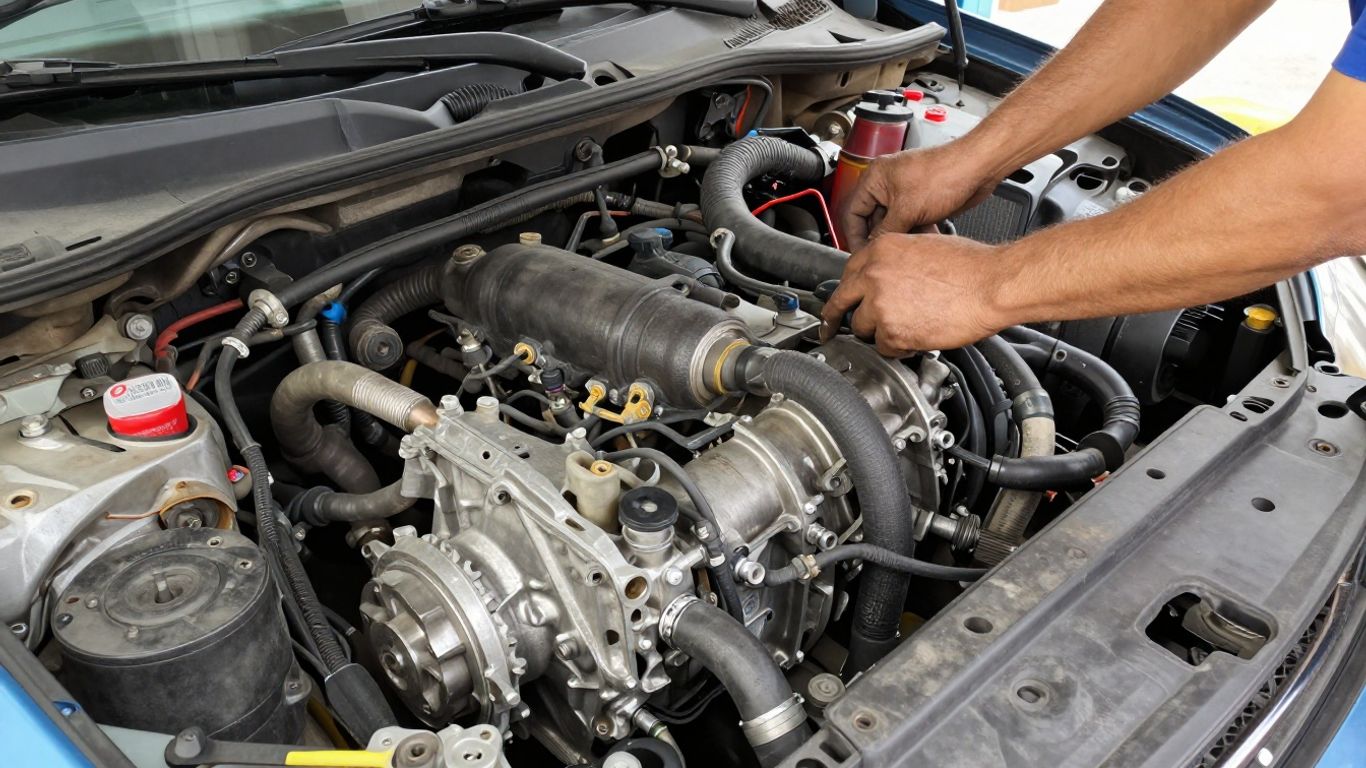
The transmission overheating causes most often found in everyday vehicles are not mysterious: fluid problems, excessive load, cooling faults, and worn components account for many cases. The challenge is that several causes can exist at once. For example, a small leak may lower the fluid level, and the resulting slip can then create additional heat.
Low, old, or incorrect transmission fluid
Fluid provides lubrication, hydraulic control, and heat transfer. If the level is low, the pump may draw air or fail to maintain proper pressure; if the fluid is old or contaminated, it may no longer protect surfaces effectively. Using the wrong specification can also affect shifting and temperature control, so the vehicle’s service information should guide any top-up or replacement.
Heavy towing, hauling, and stop-and-go driving
Towing a trailer, carrying a heavy payload, climbing long grades, or crawling through dense traffic all make the transmission work harder. Frequent gear changes and extended converter slip can produce substantial heat even when the vehicle seems to be moving normally. If demanding driving is routine, the cooling system and service schedule need to match that use rather than ordinary commuting.
Failed transmission cooler or restricted cooling lines
Many vehicles route transmission fluid through a cooler connected to the radiator or through a separate external cooler. A blocked line, damaged fitting, leaking cooler, or restricted airflow can prevent heat from leaving the fluid. A cooler fault may not create an obvious dashboard warning, so inspection is often needed when overheating appears under load but not during short trips.
Worn internal components and slipping clutches
Internal wear can cause clutches to slip instead of holding firmly, and that lost motion becomes heat. A worn pump, valve body problem, torque converter fault, or internal leak may also reduce hydraulic pressure. When overheating is accompanied by flare-ups between gears or a delay before movement, replacing fluid alone may not address the source.
Engine cooling problems that raise transmission temperatures
The transmission and engine cooling systems can affect one another, particularly when the transmission cooler is built into the radiator. A restricted radiator, failed fan, low coolant level, or poor airflow can raise under-bonnet temperatures and reduce cooling capacity. That is why diagnosis should consider the engine cooling system, not just the transmission casing.
Warning signs of an overheating transmission
Overheating rarely announces itself in just one way. A smell may appear first, followed by altered shift quality, a warning lamp, or a visible leak. These symptoms can overlap with other faults, but a combination of them makes prompt inspection sensible; a general guide to overheating symptoms can help drivers compare what they are noticing.
Burning smells and discolored transmission fluid
A sharp burnt smell after driving can indicate overheated fluid or friction material. Fluid that looks unusually dark, smells scorched, or contains visible debris also deserves professional assessment. Color alone does not prove the cause, but a sudden change from the expected condition is useful evidence when describing the problem.
Delayed shifting, slipping, or harsh gear changes
A delayed engagement may feel like the vehicle pauses before moving into drive or reverse. Slipping can feel like engine speed rises without a matching increase in road speed, while harsh shifts may feel like a pronounced bump. These changes can result from heat-related fluid degradation, low pressure, electrical faults, or mechanical wear, so they should not be diagnosed by symptom alone.
Transmission warning lights and temperature alerts
Some vehicles display a transmission temperature warning, while others use a broader powertrain or check-engine light. If a warning appears, note when it happened and whether it followed towing, a hill, traffic, or a fluid leak. A warning that disappears after cooling still matters because the underlying condition may remain.
Unusual noises, leaks, or visible smoke
Whining, humming, grinding, or repeated clunks can point to fluid starvation or internal wear, though noises may also come from other drivetrain components. Red or brown fluid beneath the vehicle suggests a possible transmission leak, while smoke around the transmission or exhaust area calls for immediate caution. Do not crawl beneath a hot vehicle to investigate a leak.
Loss of forward or reverse movement
Complete loss of drive or reverse is a serious escalation. Low fluid, failed hydraulic control, a damaged pump, or burned internal clutches can all prevent movement, and continuing to select gears may add further damage. At this stage, the vehicle should generally be recovered rather than driven.
How to diagnose the source of overheating
Diagnosis works best as a process rather than a guess based on fluid color or one warning light. A technician will usually combine the driver’s account with a visual inspection, fluid checks, temperature information, and testing of the cooling system. That approach separates a simple leak or airflow problem from internal transmission damage.
Checking the fluid level, color, and condition
The correct checking procedure varies by vehicle: some transmissions have a dipstick, while others require a level check at a specified temperature. The vehicle must be positioned and prepared as directed, since an inaccurate level can lead to overfilling or underfilling. A technician may also inspect the fluid for a burnt odor, unusual particles, or signs of coolant contamination.
Inspecting for leaks and damaged cooling lines
Leaks can occur at seals, pans, cooler fittings, hoses, or the transmission case. Dampness around a connection may be easier to spot than a puddle because fluid can travel along nearby components before reaching the ground. Cooling lines should be checked for kinks, corrosion, impact damage, and restrictions that could reduce circulation.
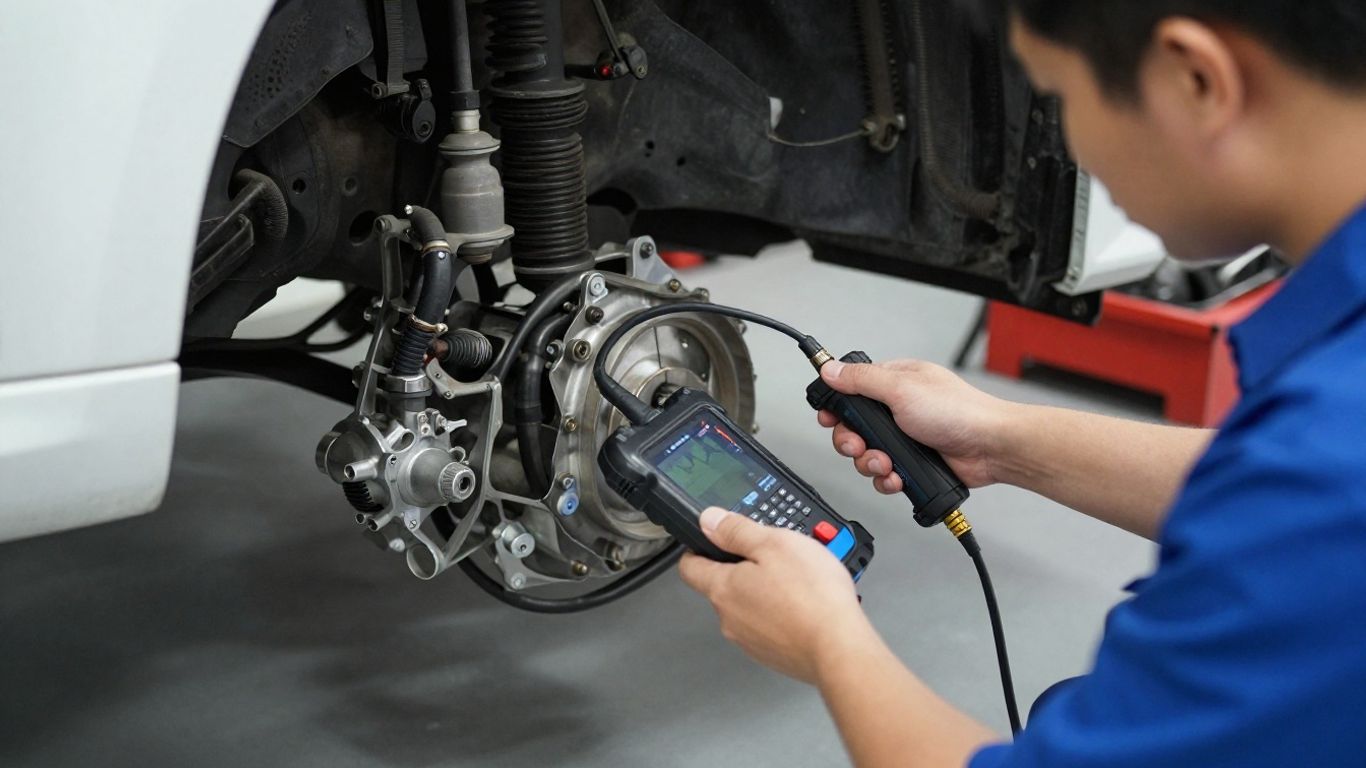
Testing transmission temperature with diagnostic tools
A scan tool may reveal temperature data, fault codes, and operating conditions captured when a warning occurred. An infrared thermometer or workshop temperature probe can provide additional information, although surface readings are not always the same as fluid temperature inside the unit. Comparing readings during idle, normal driving, and load helps establish when the temperature rises.
Evaluating the radiator and external transmission cooler
The radiator, fan, condenser area, and external cooler all need adequate airflow and clean passageways. Mud, leaves, bent fins, or a malfunctioning fan can reduce cooling even when the transmission itself is functioning correctly. The following quick reference shows why a broader inspection is useful:
| Area to inspect | Possible finding | Why it matters |
|---|---|---|
| Fluid system | Low, dark, or contaminated fluid | Lubrication and heat transfer may be reduced |
| Cooling lines | Kink, blockage, corrosion, or leak | Fluid circulation may be restricted |
| Radiator and cooler | Blocked fins or poor airflow | Heat may not leave the system effectively |
| Internal operation | Slip, delay, noise, or pressure loss | Mechanical wear may be generating heat |
The table is a starting point, not a substitute for vehicle-specific testing. If the temperature rises only during towing, the cooling capacity may be the main concern; if it rises during ordinary driving with shifting problems, internal or hydraulic faults deserve more attention.
Identifying internal wear through professional testing
A workshop may check line pressure, solenoid operation, clutch performance, fault codes, and debris in the fluid or pan. In some cases, road testing under controlled conditions is needed to reproduce the symptom. Internal inspection or removal may be recommended when the evidence points to burned clutches, a failed pump, or damage that cannot be confirmed externally.
What to do when a transmission overheats
The safest response depends on the severity of the symptoms and the location of the vehicle. If there is smoke, a strong burning odor, loss of movement, or a temperature warning, treating the event as temporary and continuing the trip is risky. A short pause can protect the transmission, but cooling down does not repair the cause.
Safely pulling over and allowing the vehicle to cool
Move to a safe place, select park or neutral as appropriate, apply the parking brake, and switch off the engine. Keep clear of traffic and hot components, and do not open a pressurized cooling system while it is hot. Allow the vehicle to cool naturally while you arrange an inspection or recovery if symptoms are severe.
When checking or adding fluid is appropriate
Only check the fluid if the vehicle’s instructions allow it and the area is safe. Use the specified fluid, a clean funnel, and the correct level-checking procedure; adding fluid blindly can create a second problem. If the fluid is badly burnt, contaminated, or leaking rapidly, topping it up should not be treated as a complete repair.
Why continuing to drive can worsen the damage
Driving while the transmission slips or runs with low fluid increases friction and can spread damaged material through the hydraulic system. Heat also rises quickly under acceleration, hills, towing, and stop-start traffic. A vehicle that still moves may therefore be closer to losing drive than it feels.
When towing is safer than driving to a repair shop
Recovery is the safer choice when the vehicle cannot select a gear, repeatedly loses drive, produces smoke, has a major leak, or shows a persistent temperature warning. It is also sensible when the repair shop is far away or the route includes hills and heavy traffic. Tell the recovery operator that the transmission may have overheated so the vehicle can be handled appropriately.
Information to provide a technician
A clear account can shorten the diagnostic process. Before calling, note the following details:
- When the symptom began and whether the vehicle was cold or warm.
- Whether the vehicle was towing, climbing, idling, or stuck in traffic.
- Any warning lights, smells, noises, leaks, or changes in shifting.
- Recent fluid service, repairs, parts replacement, or unusual driving conditions.
These details help the technician recreate the conditions rather than relying only on how the vehicle behaves after it has cooled. If possible, photograph a fluid leak from a safe distance and record the warning message without continuing to drive.
A diagnostic video can help explain the inspection process, but it should not replace the vehicle manufacturer’s instructions or a hands-on assessment. Transmission designs differ, and a generic test may be unsafe or misleading for a particular model.
Transmission overheating repairs and prevention
The correct repair follows the cause, not merely the temperature reading. A fluid service may solve contamination or a minor maintenance issue, while a cooler, fan, line, pump, or internal clutch fault requires a different response. Keeping records of the repair and service interval also makes future overheating easier to identify.
Flushing or replacing contaminated transmission fluid
Fluid replacement may be appropriate when the fluid is old, degraded, or contaminated and the transmission has no evidence of serious internal failure. The service method should follow the vehicle maker’s requirements, including the correct specification, filter procedure, level adjustment, and temperature check. A fluid change cannot restore clutch material or repair a failed pump, so expectations should remain realistic.
Repairing leaks, coolers, fans, and blocked lines
A leaking seal, pan, hose, cooler, or fitting must be repaired before the fluid level can be trusted. Cooling faults may require cleaning blocked fins, restoring fan operation, replacing a damaged cooler, or clearing a restricted line. After the repair, the system should be checked again under the conditions that originally caused the temperature rise.
Addressing slipping clutches and internal transmission damage
Persistent slipping, delayed engagement, pressure loss, or metallic debris may indicate internal damage. Depending on the findings, the repair could involve valve-body work, solenoids, a torque converter, clutch components, or a full rebuild or replacement. The important point is to address the heat-producing fault rather than masking symptoms with additives or repeated fluid top-ups.
Using the correct fluid and following service intervals
Transmission fluid is not interchangeable simply because containers look similar. Use the exact specification listed for the vehicle and follow the recommended inspection or replacement interval, adjusting the schedule when the vehicle regularly tows or operates in severe conditions. Keeping receipts and noting the fluid specification can prevent uncertainty at the next service.
Reducing heat during towing and demanding driving conditions
Before towing, check fluid level, cooling airflow, tyre condition, and the vehicle’s rated load. Use the recommended gear or drive mode on long grades, avoid unnecessary throttle changes, and allow the drivetrain to work without prolonged slipping. A short cool-down break may help after severe use, but it should supplement—not replace—proper maintenance.
Conclusion
Transmission overheating is rarely something to ignore, even when the vehicle seems normal again after cooling. Checking fluid, cooling components, operating conditions, and internal performance in the right order gives you the best chance of finding the cause before heat turns a smaller repair into major drivetrain damage.
Frequently Asked Questions
What is the most common cause of transmission overheating?
Low or degraded fluid, heavy loads, restricted cooling, and internal slipping are common causes. The most likely one depends on the vehicle’s symptoms, maintenance history, and driving conditions.
Can low transmission fluid cause overheating?
Yes. Low fluid can reduce lubrication, cooling, and hydraulic pressure, which may increase friction and cause slipping. The source of the low level should also be found because fluid does not normally disappear without a leak or another fault.
How long should I wait before driving after a transmission overheats?
There is no universal safe waiting time. Cooling may reduce the immediate temperature, but it does not correct a leak, blockage, or internal failure. If warning lights, slipping, smoke, or loss of movement occurred, arrange professional advice or recovery instead of relying on a time interval.
Is dark transmission fluid always a sign of overheating?
Dark fluid can indicate age, contamination, or overheating, but color alone is not conclusive. Odor, debris, service history, fluid level, and the vehicle’s operating symptoms provide more useful context.
Can a transmission overheat without a warning light?
Yes. Some vehicles do not provide a dedicated temperature warning, and a fault may begin with a smell, delayed shift, or slipping. Changes in performance should be investigated even when the dashboard remains clear.
Is it safe to drive with a slipping transmission?
Driving with slipping can create more heat and accelerate internal damage. If the slipping is repeated, severe, or accompanied by a burning smell or warning light, stopping and arranging a diagnosis or tow is safer.
Can regular servicing prevent transmission overheating?
Regular servicing can reduce the risk by maintaining the correct fluid level and condition and by identifying leaks or cooling faults early. It cannot prevent every failure, particularly when internal wear or an unexpected component fault is involved.