

Key Takeaways
A failing gearbox rarely goes from perfect to completely unusable without giving you clues first. Notice changes early, record when they happen, and arrange a proper inspection before a small fault becomes a major repair.
- Watch for slipping, delayed engagement, harsh shifts, and unusual noises.
- Check for fluid leaks, dark fluid, burning smells, and overheating.
- Compare behavior when the vehicle is cold, warm, accelerating, reversing, or under load.
- Stop driving if the vehicle loses drive, makes severe noises, or cannot select gears safely.
- Confirm the cause with a qualified inspection before approving a repair or replacement.
Understand what a failing gearbox means
A gearbox transfers engine power to the wheels while allowing the vehicle to move at different speeds and loads. When it begins to fail, the first clues may feel minor: a pause, a bump, a sound, or a change in engine response. Learning how to tell if gearbox is failing helps you decide what deserves attention and what may be unrelated.
A gearbox problem is not always a mechanical failure inside the transmission. Fluid condition, electronics, sensors, clutch components, mounts, and even an engine fault can produce similar symptoms. That is why the pattern matters more than one isolated noise.
The gearbox’s role in vehicle performance
The gearbox matches engine speed to road speed, so the engine can deliver useful power without constantly operating at its limit. In an automatic vehicle, it changes ratios using hydraulic pressure, electronic controls, and internal friction components. In a manual, the driver and clutch control much of the engagement directly.
When that process is disturbed, you may feel a hesitation, surge, vibration, or loss of drive. A gearbox that is slow to respond can also make pulling into traffic less predictable, even if the vehicle still moves.
Automatic, manual, and CVT failure differences
Automatic gearbox trouble often appears as delayed engagement, harsh shifting, slipping, or a refusal to select a gear. Manual problems may be more obvious through clutch slip, grinding during selection, or difficulty moving the gear lever. A continuously variable transmission can feel different again, with unusual revving, shuddering, or a change in the normal smooth rise of engine speed.
These descriptions are useful starting points, not final diagnoses. The same sensation can come from several causes, and the correct fluid or service procedure depends on the vehicle and gearbox design.
Early symptoms versus advanced damage
Early symptoms tend to be intermittent. You might notice a delay only after the car has sat overnight, a noise only while turning, or a mild flare in engine speed during one particular shift. Keep a note of the conditions rather than dismissing a symptom because it disappears.
Advanced damage is more likely to involve repeated slipping, strong banging, metal sounds, fluid loss, burning odor, or a complete loss of movement. If the vehicle can no longer select drive or reverse, the question is no longer whether to monitor it; it is how to move it safely.
Why prompt diagnosis matters
Continuing to drive can turn contaminated fluid, a worn seal, or an electrical fault into broader internal damage. Early testing may also distinguish a gearbox issue from a clutch, driveshaft, engine, or wheel-related problem. Early diagnosis can limit the damage and give you more repair choices.
A useful inspection begins with the symptoms you observed: when they started, whether the vehicle was hot or cold, and whether the issue happens in a particular gear. Clear details save time and reduce guesswork.
Recognize the main warning signs
Gearbox warning signs often overlap, so look for combinations rather than counting symptoms mechanically. A single faint noise may have a simple explanation, while a delayed shift accompanied by a burning smell deserves much more attention. The most useful evidence is a change from the vehicle’s normal behavior.
The images below show the kinds of conditions worth discussing with a mechanic, but an image cannot identify the failed part. If you are comparing symptoms with a general automatic gearbox guide, use it as background rather than as a substitute for testing.
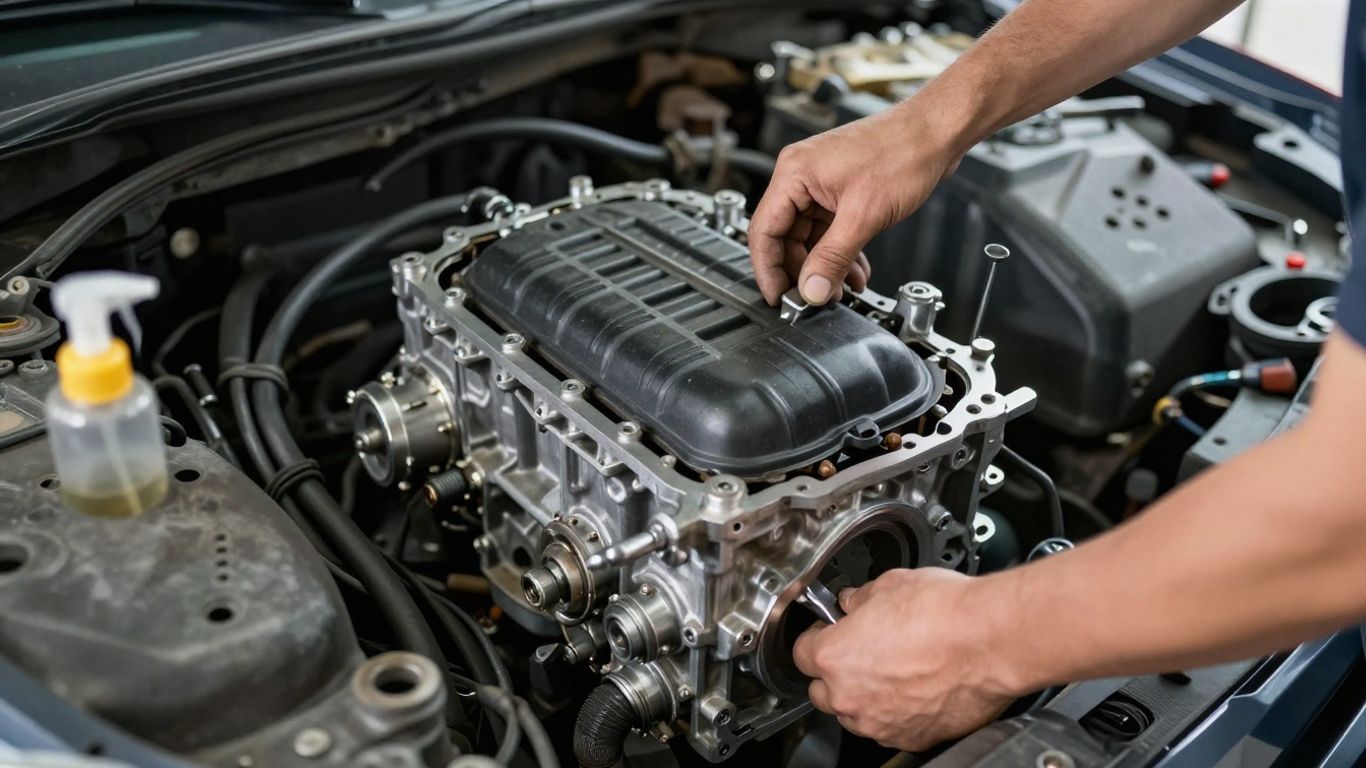
Delayed, harsh, or slipping gear changes
A delay happens when you select drive or reverse and the vehicle takes noticeably longer than usual to respond. A harsh change may feel like a bump or jolt, while slipping can feel like the engine revs rise without matching acceleration. These symptoms may appear during takeoff, an upshift, or a downshift.
Note whether the issue is consistent and whether the engine speed changes unexpectedly. A vehicle that briefly drops out of gear or moves into neutral while driving should not be treated as a minor inconvenience.
Grinding, whining, clunking, or humming noises
Grinding during a manual gear change can point toward clutch or synchronizer trouble, while humming or whining may come from bearings, gears, fluid problems, or another driveline component. A clunk can also be caused by a mount, driveshaft, or worn joint rather than the gearbox itself.
Try to describe the sound precisely: does it follow engine speed, road speed, gear selection, or steering angle? General resources about gearbox noise warning signs can help you name the symptom, but a road test is usually needed to locate it.
Burning smells and overheating
A sharp burnt odor may indicate overheated fluid, clutch material, or another component under excessive friction. Heat can change how a gearbox shifts and may make an intermittent fault appear only after traffic, hills, towing, or long periods of driving.
Pull over safely if you notice smoke, a strong burning smell, or a temperature warning. Do not touch hot components or crawl beneath a vehicle that has not been secured properly.
Fluid leaks or unusually dark transmission fluid
Fluid under the vehicle should be investigated, especially if it is reddish, brown, or unusually dark and has a strong odor. Color alone does not prove failure because fluid types differ, but a leak can reduce lubrication and hydraulic function. A fluid leak inspection is more useful when paired with the vehicle’s service history and the exact gearbox specification.
Never top up with a random oil because the wrong fluid can affect seals, friction materials, and shift operation. Check the owner’s manual or ask a qualified technician to identify the correct product and procedure.
Warning lights and reduced vehicle performance
A transmission warning light, check-engine light, restricted performance message, or limp mode may indicate a stored fault. The vehicle may hold one gear, shift harshly, or limit power to protect itself. The warning light does not identify the failed component by itself, but it tells you that further testing is warranted.
Record when the light appeared and whether it followed a particular event, such as a long climb or battery replacement. If the vehicle is losing power in traffic, arrange assistance rather than trying to force it to continue.
Pay attention to how the vehicle behaves
Drivers often describe gearbox trouble with a general phrase such as “it feels wrong.” That observation is valuable, but it becomes much more useful when tied to a specific driving situation. Acceleration, gear selection, reverse, temperature, and road load can each reveal a different pattern.
Do not deliberately recreate a dangerous symptom at high speed. A short, careful observation in a safe location is enough; otherwise, write down what happened during normal use.
What happens during acceleration
Watch the relationship between engine revs and vehicle speed. If revs flare without a matching increase in speed, the clutch or an automatic gearbox’s friction elements may be slipping. A hesitation or shudder when pulling away may instead involve fluid pressure, mounts, ignition, or engine operation.
Notice whether the symptom appears on light throttle, hard acceleration, or an incline. That distinction helps a technician reproduce the fault without unnecessary stress on the vehicle.
Symptoms when shifting from park or neutral
A pause before drive or reverse engages is a common reason people begin asking how to tell if gearbox is failing. A pronounced clunk, a long delay, or a need to increase engine speed before movement suggests that the engagement system needs inspection.
Make sure the brake is firmly applied and the vehicle is on level ground when observing this behavior. A problem that occurs only after the vehicle warms up may point toward a different cause than one present from the first start of the day.
Changes in reverse or low gears
Reverse and low gears place noticeable demands on engagement and torque transfer. Difficulty selecting reverse, slipping while reversing, or a harsh first-to-second shift can indicate a gearbox, clutch, hydraulic, or electronic issue.
Avoid repeated attempts to force a gear into engagement. If the vehicle moves unpredictably or will not stay in gear, switch it off where safe and arrange recovery.
Problems that appear when the gearbox is cold or hot
Temperature can change fluid viscosity, pressure, clearances, and electronic behavior. A gearbox that behaves normally when cold but slips after a long drive may be overheating or losing pressure as the fluid thins. A cold-only delay can have a different explanation, including fluid condition or normal design characteristics.
Write down outside temperature, journey length, traffic conditions, and whether the symptom disappears after stopping. That small record can be more informative than a vague report that the problem is “random.”
Check for common causes and contributing factors
A gearbox is a system, not one single part. Failures may result from wear, incorrect fluid, heat, electrical faults, poor adjustment, or stress from the way the vehicle is used. A proper diagnosis checks the surrounding systems before anyone recommends an expensive replacement.
The photograph in this section is a visual reminder that inspection involves the whole assembly and its environment. For industrial equipment, gearbox maintenance warning signs involve different operating conditions; passenger vehicles still benefit from the same basic habit of responding to heat, leaks, noise, and inconsistent performance.
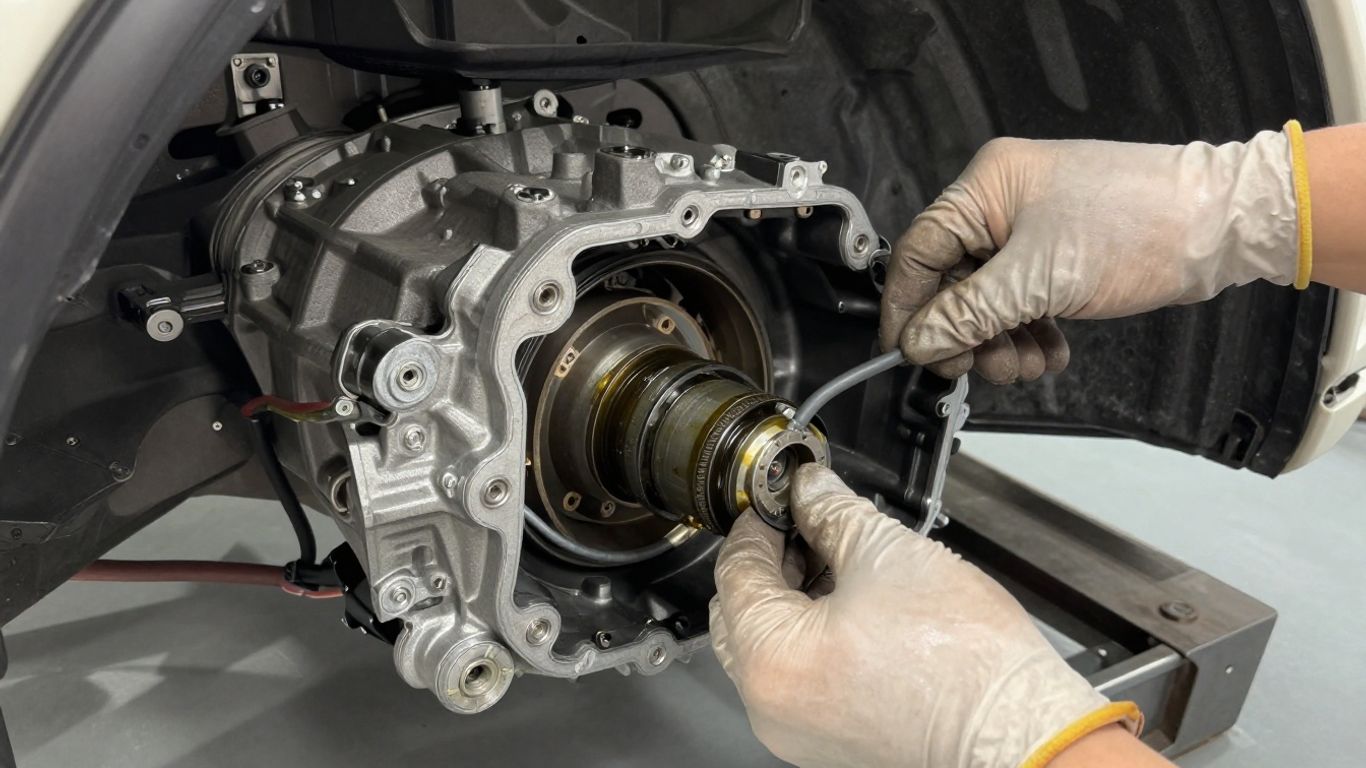
Low, contaminated, or incorrect gearbox fluid
Fluid lubricates moving parts and, in many automatic designs, helps transmit hydraulic pressure. A low level may result from a leak, while contamination or degraded fluid can affect shifting and heat control. The correct checking method varies: some gearboxes require a specific temperature, level position, or scan procedure.
Do not assume that adding fluid solves the underlying problem. If the level is low, the leak still needs to be found, and the fluid should be checked for signs of contamination or internal wear.
Worn clutch, synchronizer, or internal components
Manual clutch wear can cause engine revs to rise without corresponding road speed, while worn synchronizers may make certain gears difficult or noisy to select. Automatic gearboxes can develop wear in clutches, bands, bearings, valves, seals, or gears.
The symptom pattern and inspection findings should support any recommendation. A general article about gearbox replacement signs may explain common red flags, but only a vehicle-specific assessment can establish whether an internal component has failed.
Electrical and sensor-related faults
Modern gearboxes rely on sensors, solenoids, wiring, control modules, and reliable battery voltage. A fault in one of these areas can create harsh shifts, incorrect gear selection, warning lights, or limp mode without a broken gear inside the transmission.
That is why diagnostic testing should accompany a mechanical inspection. Clearing a code without identifying why it appeared may make the symptom disappear briefly while leaving the fault unresolved.
Towing, heavy loads, and overheating
Extra weight, steep terrain, stop-start traffic, and towing can increase gearbox temperature and clutch load. Repeated overheating can degrade fluid and accelerate wear, especially when the vehicle is used beyond its intended limits or cooling system maintenance is neglected.
If the vehicle regularly tows or carries heavy loads, follow the manufacturer’s guidance for cooling, service intervals, and trailer setup. A sudden change after a demanding trip is worth reporting even if the vehicle seems normal again.
Poor maintenance and driving habits
Missed fluid services, ignored leaks, incorrect parts, and unsuitable fluid can shorten gearbox life. Aggressive launches, shifting before the vehicle stops, resting a hand on a manual gear lever, or holding the vehicle on a hill with throttle can add avoidable strain.
A simple maintenance record makes future diagnosis easier. Include mileage, fluid services, repairs, towing use, and the first date a symptom was noticed.
Decide how urgent the problem is
Not every gearbox symptom means the vehicle must stop immediately, but uncertainty should not become an excuse for repeated testing. Safety comes first when the car cannot move predictably, select a gear, or maintain drive. If you are unsure, roadside assistance is usually cheaper than causing a collision or expanding the mechanical damage.
Use the following as a practical guide, not a replacement for professional judgment. Road, weather, traffic, vehicle condition, and the exact symptom all affect the safest decision.
Signs that require immediate roadside assistance
Stop driving and seek assistance if the vehicle loses drive, repeatedly slips out of gear, produces severe grinding, leaks a large amount of fluid, smells strongly of burning, or shows smoke or overheating. The same applies when the vehicle cannot select reverse or drive reliably.
If you are on a busy road, move only as far as needed to reach a safe position. Avoid continuing simply because the vehicle can still limp along.
Symptoms that allow limited driving to a repair shop
A mild, occasional shift quality change with no warning lights, fluid leak, burning smell, or loss of drive may allow a short trip to a nearby repairer. Drive gently, avoid towing and steep routes, and stop if the symptom worsens.
Call ahead and describe the problem so the shop can advise whether driving is appropriate. A tow is the safer choice whenever the vehicle’s behavior is unpredictable.
When a fluid check may be appropriate
A fluid check can be reasonable when the owner’s manual provides a clear procedure and the vehicle is parked safely on level ground. Look for visible leaks and compare the condition with the manufacturer’s guidance, but do not rely on color alone.
If checking requires lifting the vehicle, measuring at a particular temperature, or accessing a sealed system, leave it to a technician. A wrong level or contaminated sample can make the diagnosis less reliable.
Why continuing to drive can increase repair costs
A slipping clutch or low-fluid condition creates heat and friction, and those effects can spread to components that were initially serviceable. Continued driving can also turn a manageable seal, sensor, or valve problem into internal damage.
The safest decision is based on the severity and trend of the symptoms. If each trip makes the problem more obvious, stop treating it as an intermittent nuisance.
Confirm the diagnosis and choose a repair
A diagnosis should connect the complaint to evidence. That may include a road test, visual inspection, fluid assessment, scan data, electrical checks, and internal inspection where necessary. Resist approving a major repair based only on a noise or a single fault code.
Ask for the findings in plain language and request an explanation of what is known, what is suspected, and what remains uncertain. This makes it easier to compare repair options without turning the decision into a guess.
What a professional gearbox inspection includes
A technician may inspect leaks, mounts, driveshafts, wiring, fluid level and condition, cooling, shift operation, and stored data. A controlled road test can help distinguish engine, clutch, gearbox, and driveline symptoms. If internal damage is suspected, the next step may involve removing the unit or inspecting specific components.
The quality of the explanation matters as much as the list of tests. You should be able to understand why a proposed repair addresses the symptom you reported.
How diagnostic trouble codes help identify faults
Diagnostic trouble codes record that a control system detected an abnormal condition. They can point toward a sensor, solenoid, pressure issue, communication fault, or performance problem, but they do not automatically name the part that must be replaced.
Technicians should compare codes with live data, wiring checks, fluid condition, and the vehicle’s behavior. Replacing parts solely because a code mentions them can lead to unnecessary expense.
When repair, rebuilding, or replacement makes sense
A targeted repair may suit a leak, sensor, solenoid, mount, or accessible control component. Rebuilding may be considered when internal wear is confirmed and the housing and major components are suitable for refurbishment. Replacement can make sense when damage is extensive, parts are unavailable, or the total cost and warranty are more favorable.
Compare the scope of work, parts used, warranty period, turnaround time, and any related repairs. The cheapest initial quote is not necessarily the lowest-cost outcome if it leaves the original cause unresolved.
Questions to ask before approving the work
A written estimate should separate diagnosis, parts, labor, fluid, programming, and any additional recommended work. Before authorizing repairs, ask these questions:
- What evidence confirms the gearbox or related component is at fault?
- Is the proposed part new, used, rebuilt, or aftermarket?
- What warranty covers the repair, and what does it exclude?
- Are there related leaks, cooling issues, or driveline faults to address?
The answers should be specific to your vehicle rather than copied from a generic estimate. If the diagnosis is uncertain, ask what further test would reduce that uncertainty and what it will cost.
How to prevent future gearbox problems
Follow the vehicle maker’s maintenance schedule and use only the specified fluid and parts. Repair leaks promptly, keep the cooling system in good condition, and allow the vehicle to warm up normally without aggressive acceleration. If you tow or carry heavy loads, stay within the rated limits and follow the recommended setup.
A useful maintenance table can keep the next steps clear:
| Check | Why it matters | When to act |
|---|---|---|
| Fluid level and leaks | Low fluid can reduce lubrication or pressure | At service intervals and after any leak |
| Shift quality | Changes may reveal developing wear | Record and investigate repeated changes |
| Warning lights | Stored faults may need scan testing | Arrange diagnosis promptly |
| Heat or burning odor | May indicate excessive friction or load | Stop safely if severe or persistent |
Use the table as a reminder, not as permission to ignore a worsening symptom. Regular checks cannot prevent every failure, but they can make changes easier to spot.
Conclusion
Gearbox trouble is easier to manage when you respond to patterns rather than waiting for complete failure. Note the warning signs, avoid unsafe driving, and have the vehicle properly diagnosed before choosing between repair, rebuilding, or replacement.
Frequently Asked Questions
What is the first sign of a failing gearbox?
An early sign may be a delayed, harsh, or inconsistent gear change. A new noise, slipping sensation, fluid leak, or warning light also deserves attention, especially when it repeats under the same conditions.
Can I drive with a slipping gearbox?
It may be unsafe and can increase internal damage. If the vehicle loses drive, slips repeatedly, overheats, or behaves unpredictably, stop driving and arrange roadside assistance rather than attempting a longer trip.
Does dark transmission fluid always mean the gearbox has failed?
No. Fluid color depends on the fluid type and service history, and dark fluid can have several explanations. Odor, contamination, metal particles, level, leaks, and vehicle symptoms must be considered together.
Why does my gearbox work when cold but fail when hot?
Heat can alter fluid behavior, pressure, clearances, and electronic operation. A hot-only symptom may involve overheating, worn seals, internal wear, or another fault that needs testing.
Can a gearbox warning light be caused by a sensor?
Yes. Sensors, wiring, solenoids, control modules, and voltage issues can trigger warnings or poor shifting. A diagnostic code identifies a detected condition, not always the exact failed part.
Is a gearbox rebuild better than replacement?
Neither is automatically better. The decision depends on the confirmed damage, parts availability, workmanship, warranty, vehicle value, and total cost. Compare the written options before approving work.
How can I reduce the chance of gearbox failure?
Use the specified fluid, follow the service schedule, repair leaks early, avoid excessive loads, maintain cooling, and respond promptly to new noises or shift changes. Good habits reduce risk but cannot eliminate normal wear.