

Key Takeaways
A transmission filter service can cost quite different amounts depending on what the vehicle needs and what the shop includes. Compare the work being quoted, not just the total.
- A filter-and-fluid service is different from a fluid-only drain-and-fill, so their prices are not directly comparable.
- Vehicle design, filter access, fluid requirements, and pan condition can all affect the bill.
- Ask whether the estimate includes the filter, gasket, fluid, labor, inspection, and any additional repairs.
- Follow the maintenance schedule for your vehicle; slipping or delayed shifts can have causes beyond a clogged filter.
- A low quote is only a good deal if the shop uses the correct parts and fluid and explains what the service covers.
Typical transmission filter change costs
The transmission filter change cost depends partly on whether the quote covers a filter replacement along with fresh fluid, or a simpler fluid service. A filter-and-fluid job involves more work than a drain-and-fill, and vehicle-specific access or parts can push the price higher. Treat published figures as reference points rather than a guaranteed price for your car.
Common price ranges for parts and labor
A useful first step is to distinguish a filter-and-fluid service from a fluid-only exchange. One published estimate puts a drain-and-fill at $294–$356 and a filter-and-fluid service at $621–$785; actual shop quotes can vary with the vehicle and work required. The estimate for the latter is a helpful reference, but it may not describe every vehicle or local market.
| Service type | Published estimate | What to clarify |
|---|---|---|
| Drain-and-fill | $294–$356 | Whether the pan is removed or the filter is replaced |
| Filter-and-fluid service | $621–$785 | Whether the quote includes the filter, gasket, and all required fluid |
| Additional repair | Varies | Which part or condition adds labor or parts |
Those figures are drawn from a filter-and-fluid estimate, not a promise of what any particular shop will charge. Ask for parts and labor to be itemized so you can see whether the difference comes from the service itself or an additional repair.
How costs differ by vehicle type
Some vehicles make the filter and pan relatively accessible, while others require more time or have a different service procedure. Transmission design and the amount of fluid required can also change a quote. The fluid replacement cost guide offers broader maintenance context, but your vehicle’s make, model, year, and transmission type are what a shop needs to prepare a specific estimate.
Why a filter change may include new transmission fluid
On many vehicles, replacing the filter means removing the pan, which allows some fluid to drain out. A shop may therefore quote fresh fluid as part of the job, with the amount depending on the service procedure and vehicle. A fluid exchange is a separate service approach; this overview of transmission fluid exchanges explains why it should not automatically be treated as the same job as a filter replacement.
What the service usually includes
A typical filter change involves gaining access to the transmission pan, removing it, and replacing the filter. The work may also include a new pan gasket and fresh fluid, followed by checks for leaks. The exact steps depend on the vehicle and the condition found once the pan is off.
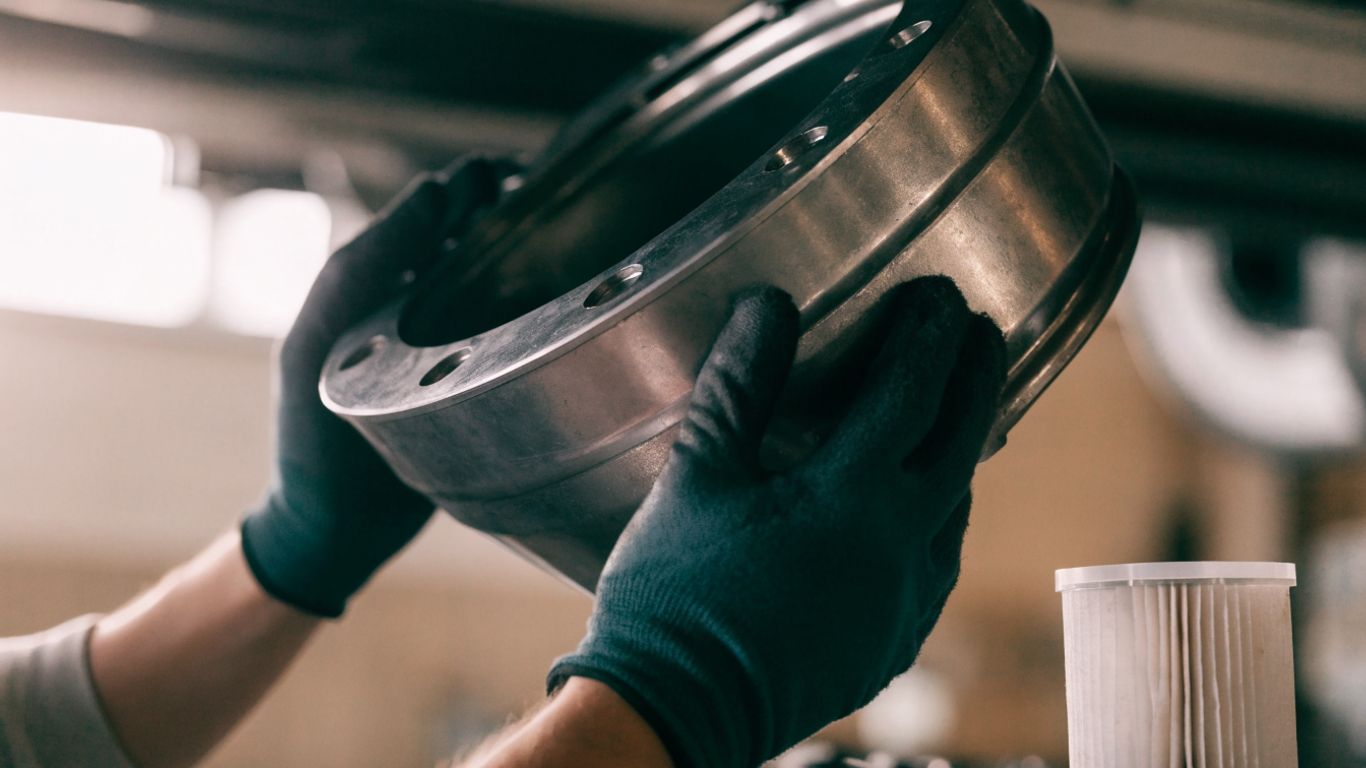
Removing and inspecting the transmission pan
The technician drains fluid and removes the pan to reach the filter. With the pan accessible, they can inspect it and look at the material collected inside; the condition may help guide whether anything beyond routine service needs attention. This inspection is not a diagnosis of every possible transmission fault, but it gives the shop a chance to report what it finds before reassembly.
Replacing the filter, gasket, and fluid
The filter is replaced with a part appropriate for the vehicle, and the pan gasket is replaced if the service calls for it. The transmission is then refilled with the specified fluid to the correct level, following the vehicle’s procedure. Because fluid type and fill method matter, a quoted service should identify what fluid is included rather than simply saying “transmission service.”
Checking for leaks and road-testing the vehicle
After the pan is reinstalled and fluid level is set, the shop can check the work for leaks. A road test may be used to confirm normal operation after service, though the exact inspection process varies by shop. This short overview can help you understand the sequence before you watch a transmission filter service.
Factors that affect the price
Two estimates can differ even when both are described as a filter change. One shop may quote a routine pan removal and filter replacement, while another may account for harder access, a different fluid requirement, or a damaged pan. Ask what conditions the estimate assumes and what would trigger an additional charge.
Filter accessibility and transmission design
Labor time depends on how the transmission is laid out and how difficult it is to reach the filter and pan. Some designs may involve additional steps or different service procedures. A shop that has the vehicle details can explain whether its labor estimate reflects ordinary access or a more involved job.
Fluid type and quantity
The specified transmission fluid is not interchangeable across every vehicle, and the amount needed varies. A quote that includes more fluid, or a fluid with a higher parts cost, may be higher than one based on a different vehicle or service. Confirm the fluid specification and quantity rather than choosing solely by the lowest total.
Pan condition, debris, and additional repairs
The pan may need extra attention if it is damaged, or the shop may find a concern that goes beyond the filter service. Ask the technician to explain any debris or wear they report and to separate recommended work from the original estimate. Get approval before added work so an unexpected finding does not become an unreviewed charge.
Dealership, independent shop, or DIY
A dealership, an independent repair shop, and a do-it-yourself service can each suit different needs. The best choice depends on the vehicle’s service requirements, the shop’s experience, the warranty terms, and your comfort with the procedure. Compare the actual scope of work instead of assuming one type of provider always costs less or does more.

Comparing shop labor rates and warranties
Labor rates and warranty coverage vary from shop to shop, and a higher quote does not by itself prove that the work is better. Ask whether parts and labor are covered if a leak appears after service, and how long that coverage lasts. A clear written estimate makes it easier to compare a dealership quote with an independent shop’s offer on equal terms.
Tools and skills needed for a DIY change
Doing the work yourself requires more than a replacement filter. You need a safe way to raise and support the vehicle if needed, suitable tools to remove and reinstall the pan, and a way to fill and check the fluid according to the vehicle’s procedure. A mistake in fluid level or sealing can create trouble, so consider whether you have the correct service information and a safe workspace before starting.
Risks of using the wrong filter or fluid
A filter that does not fit correctly or fluid that does not meet the vehicle’s specification can undermine the service. The same goes for an incorrect fill level or a pan that is not sealed properly. If you are uncertain about any of those details, getting a shop estimate may be less costly than correcting an avoidable mistake.
When to replace the transmission filter
There is no single interval that applies to every vehicle. Some maintenance schedules specify when to service the transmission, while others may direct owners to inspect or follow conditions tied to the vehicle’s use. Consult the owner’s manual or maintenance schedule and ask a qualified shop to interpret it for your exact model.
Manufacturer-recommended service intervals
Use the interval and procedure listed for your vehicle rather than relying on a general rule from another car. The schedule may distinguish between normal and demanding driving conditions, and the recommended service can vary by transmission type. Keep records of prior work so a shop can see what has already been done.
Symptoms that may point to a transmission problem
Delayed or rough shifts, slipping, unusual noises, or a fluid leak can be reasons to have the transmission checked. These signs do not establish that the filter is clogged, and waiting to investigate a new symptom can make it harder to identify its cause. Describe when the problem occurs and whether it has changed over time.
Why symptoms can have causes beyond a clogged filter
Transmission behavior can be affected by issues other than the filter, including fluid condition, leaks, or a mechanical or electronic fault. Replacing a filter without diagnosing the underlying problem may not resolve the symptom. A proper assessment helps determine whether routine maintenance is enough or whether additional inspection is needed.
How to compare estimates and manage costs
A useful estimate describes the work, parts, fluid, and any assumptions behind the price. Ask each shop to quote the same service, since a fluid-only change and a pan-off filter replacement are not equivalent. Online searches can also surface unrelated material, so check the subject of each result: IDX listing information, a car shipping calculator, a chronic UTI consultation, drain unclogging costs, and Bloomberg market tracking do not establish what a transmission service should cost.
Questions to ask before approving the work
A few direct questions can reveal whether two estimates cover the same job. Keep the discussion focused on the vehicle, the parts being installed, and what happens if inspection uncovers another issue.
- Is the estimate for a filter replacement with pan removal, or only a fluid service?
- Which filter, gasket, and fluid are included, and how much fluid is allowed for?
- Does the price include labor, inspection, and a post-service leak check?
- Will the shop call for approval before performing additional work?
The answers make it easier to compare the total without overlooking what is excluded. If the shop cannot yet confirm a final price because the pan must be inspected, ask how it will document and approve any change.
How to check what the quote includes
Read the estimate for a clear description of the service, not just a line labeled “transmission maintenance.” Look for the filter, gasket, fluid specification, labor, taxes or fees, and any stated exclusions. If an item is unclear, ask the shop to explain it in writing before authorizing the work.
When a low-cost service may not be a good value
A low quote may cover a different procedure, omit parts or fluid, or leave additional labor outside the stated price. That does not mean the higher estimate is automatically the better one; it means the details matter. Choose a shop that can explain the work, use the correct parts and fluid, and get your approval before adding repairs.
Conclusion
The fairest way to judge a transmission filter quote is to compare the same service for the same vehicle, with the parts, fluid, labor, and inspection clearly listed. Follow the manufacturer’s schedule, ask what the shop has included, and treat new symptoms as a reason for diagnosis rather than assuming a filter change will solve them.
Frequently Asked Questions
How much does a transmission filter change cost?
The price varies by vehicle, shop, and service scope. A published estimate for filter-and-fluid service is $621–$785, while a drain-and-fill estimate is $294–$356; ask local shops for a vehicle-specific quote.
Does a transmission filter change include new fluid?
Often, at least some fluid is replaced because removing the pan drains fluid from the transmission. Confirm how much fluid and what specification are included in the estimate.
How often should a transmission filter be changed?
Follow the maintenance schedule for your make and model. Intervals and recommended procedures differ, so a general mileage rule may not apply to your vehicle.
Can I change a transmission filter myself?
It may be possible if you have the right tools, safe working conditions, service information, and the correct filter and fluid. If you cannot verify the fill procedure or safely access the pan, have a qualified shop do the work.
Will a new filter fix slipping or delayed shifts?
Not necessarily. Those symptoms can have causes beyond a clogged filter, so a technician should assess the transmission rather than assuming routine filter service will solve them.
Is a transmission filter change the same as a flush?
No. A filter change typically involves access to the pan and replacement of the filter, while a fluid exchange or flush is a different service. Ask which procedure a quote covers.
What should a transmission filter service estimate include?
It should describe the filter and gasket, fluid type and quantity, labor, and any inspection or leak check included. It should also explain how the shop will handle additional work if inspection finds another problem.