

Key Takeaways
Automatic and manual transmissions can show similar warning signs, but their parts, diagnosis, and repair paths differ. A careful inspection and a clear estimate are more useful than guessing from symptoms alone.
- Automatic repairs may involve fluid, hydraulic, electronic, or internal mechanical problems; manual repairs often involve the clutch or gear engagement.
- Slipping, delayed shifts, grinding, unusual noises, and leaks deserve prompt attention.
- Diagnosis may combine a road test, fluid checks, scan-tool results, and an internal inspection.
- Costs and timelines depend on the fault, parts, labor, and how difficult the transmission is to access.
- Compare a targeted repair, rebuild, and replacement against the vehicle’s condition and value before deciding.
How automatic and manual transmission repairs differ
Both transmission types transfer engine power to the wheels, but they do so with different parts and operating methods. That difference shapes what commonly wears out and how a mechanic narrows down a fault. For drivers weighing automatic vs manual transmission repair, the useful distinction is not that one is always simple and the other always costly; it is that each has its own likely failure points.
Key components in each transmission
A manual transmission relies on gears selected by the driver, along with a clutch that connects and disconnects engine power as the driver shifts. The clutch assembly and the parts that help gears engage can therefore be central to diagnosis. An automatic transmission changes gears without the driver operating a clutch pedal, using a more involved set of mechanical and control components.
A shop needs to identify which part of that system is causing the problem, rather than assume the whole transmission has failed. A clutch concern, for instance, may feel like a gearbox problem even when the fault is outside the gear set itself. The repair differences are easiest to understand when a diagnosis separates the transmission’s internal components from related controls and connections.
How gear changes affect wear and repair needs
In a manual, the driver’s use of the clutch and gear lever affects how smoothly the system engages. Repeatedly slipping the clutch, forcing a shift, or resting a foot on the clutch pedal can contribute to wear. An automatic handles gear changes itself, so its repairs may involve components or controls that manage those shifts rather than a driver-operated clutch.
That does not mean every manual repair is inexpensive or every automatic repair is extensive. A minor fault in either type can be limited, while internal damage can make either repair more involved. Driving style, maintenance history, vehicle design, and the exact failed part all matter; broad maintenance comparisons are useful background, but a mechanic still needs to assess the individual vehicle.
Why diagnosis differs between the two systems
A mechanic will often ask when the symptom occurs: during a shift, when starting from a stop, under acceleration, or after the vehicle warms up. For a manual, the clutch pedal’s feel and the ease of selecting gears can help narrow the possibilities. For an automatic, the timing and quality of shifts, warning lights, and available electronic fault information may offer useful clues.
The first symptoms do not always identify the failed part. A vehicle that hesitates may have a transmission issue, but it can also have a problem elsewhere in the drivetrain or engine controls. That is why diagnosis should follow evidence rather than a quick assumption about which transmission type is more difficult to repair.
Common transmission problems and their causes
Transmission symptoms can begin gradually or appear suddenly, and the cause is not always visible from outside the vehicle. Fluid condition, driving patterns, wear, and damage to internal parts can all play a role. Paying attention early can help a mechanic investigate a smaller fault before continued driving adds strain or obscures the original cause.
Automatic transmission fluid leaks and overheating
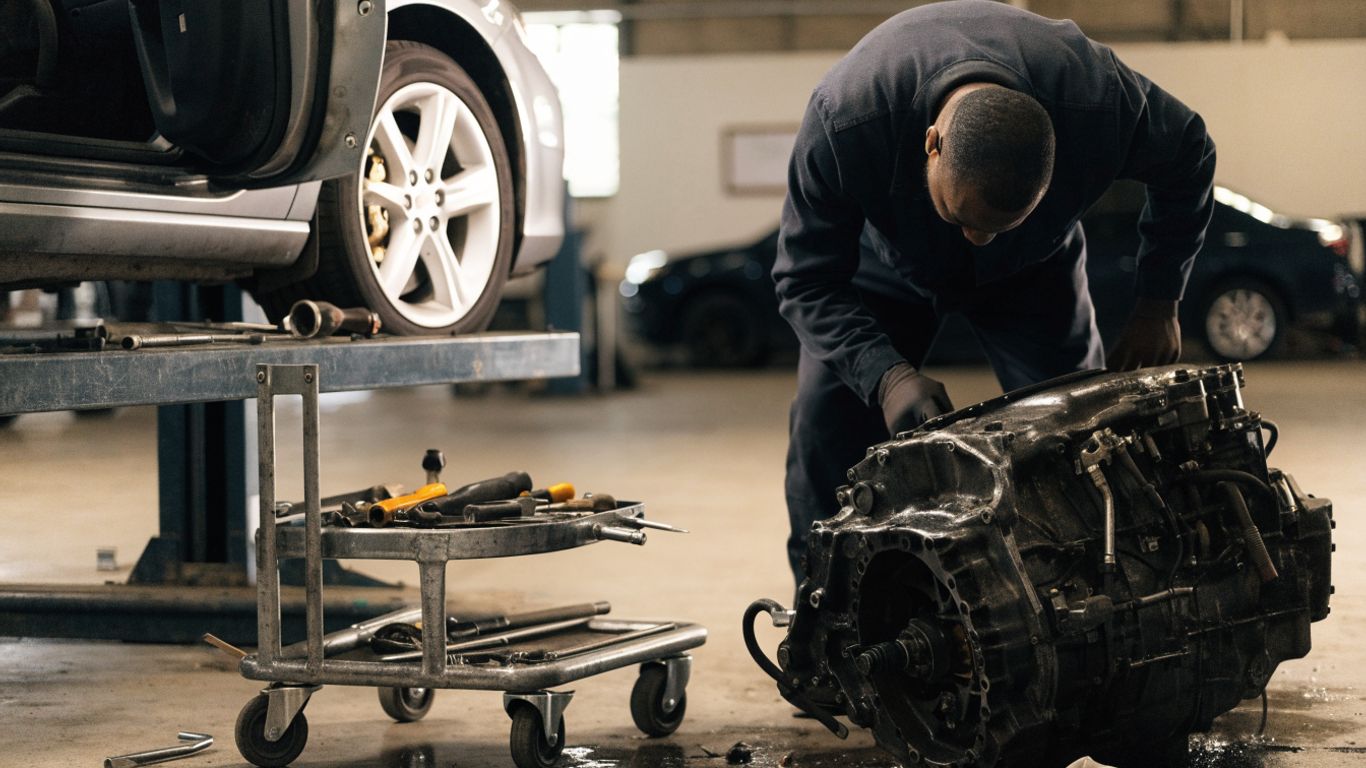
An automatic transmission depends on fluid for lubrication and operation. A leak can lower the fluid level, while overheating can contribute to poor performance or damage if the vehicle continues to be driven. A puddle or residue under the car is a reason to arrange an inspection, but fluid appearance alone does not establish which seal, line, or component is responsible.
Do not assume that topping up fluid is a complete repair. The correct fluid type and level depend on the vehicle, and the source of a leak needs to be found. If the vehicle is overheating, slipping, or showing a warning, follow the owner’s manual and ask a qualified shop whether it is safe to continue driving.
Clutch wear and shifting problems in manual transmissions
A worn clutch may slip under acceleration, engage unusually high or low, or feel different through the pedal. Difficulty selecting a gear can also relate to the clutch, linkage, or internal parts, so it does not automatically mean that the transmission itself needs replacement. Grinding during a shift is another reason to stop forcing the gear and have the system checked.
Driving habits can influence clutch wear, though age and ordinary use matter too. Tell the mechanic whether the symptom appears when cold, after traffic, or only in a particular gear. Those details can help distinguish a clutch concern from a shifting mechanism or internal fault.
Shared issues such as damaged gears and worn bearings
Both transmission types contain moving parts that can wear or become damaged. A bearing or gear problem may produce a whine, rumble, or other noise that changes with speed or load. Noise is a clue, not a diagnosis: tires, wheel bearings, and other drivetrain parts can create similar sounds.
A mechanic may need to compare the noise under different conditions and inspect related components before recommending internal work. The more specific the description of when a sound begins and fades, the more useful it is. Avoid continuing to drive if the vehicle suddenly loses drive, makes severe grinding noises, or develops a major fluid leak.
Symptoms that signal a transmission problem
A change in how the vehicle accelerates, shifts, or sounds deserves attention, especially if it repeats or grows worse. One isolated sensation may have several possible explanations, so note the conditions rather than trying to diagnose the transmission yourself. A prompt inspection can clarify whether the issue is in the transmission or another system.
Delayed or slipping shifts in an automatic
An automatic may hesitate before engaging Drive or Reverse, shift later than usual, or seem to rev without delivering the expected acceleration. A harsh shift or a sudden change in shift behavior also deserves investigation. These symptoms can have more than one cause, including fluid-related or mechanical concerns, and a scan result alone may not tell the whole story.
Record when the symptom happens: on a cold start, after a longer drive, during acceleration, or at a particular speed. If the vehicle loses power to the wheels or the issue becomes severe, pull over safely and seek advice rather than repeatedly testing it on the road.
Clutch, gear, or grinding issues in a manual
In a manual, a clutch that slips, a pedal that feels unusually soft or stiff, or gears that are difficult to select may point to a problem worth checking. Grinding during a shift can occur when gears are not engaging properly, but it should not be treated as proof of a specific failed component. Note whether it happens in one gear or across several.
Avoid forcing the lever through resistance. Continued attempts can add stress and make the original issue harder to evaluate. A mechanic can inspect the clutch operation and shifting components and then decide whether more detailed transmission work is needed.
Warning lights, unusual noises, and fluid leaks
A dashboard warning light should be interpreted using the vehicle’s manual and checked with suitable diagnostic equipment. A warning may accompany a transmission problem, but it can also relate to a broader vehicle system. Leaks and new noises deserve attention as well, particularly when they appear alongside shifting or acceleration changes.
A useful report includes what you noticed, when it began, and whether it changes with speed, temperature, or gear selection. Take a photo of a visible leak if it is safe to do so, but do not crawl beneath a vehicle that is not properly supported. Getting the facts down early gives the shop a clearer starting point.
How mechanics diagnose transmission trouble
A sound diagnosis usually moves from the least invasive checks toward more involved inspection. A mechanic may first hear the driver’s account, confirm the symptom, and review the vehicle’s service history. The process should establish what is known, what remains uncertain, and why any recommended next test is needed.
Road tests and symptom checks
A road test can help a mechanic observe when a shift delay, slipping sensation, vibration, or noise occurs. The technician may compare the vehicle’s behavior at different speeds and under different loads, while watching for warning lights or other changes. Not every vehicle should be road-tested if a serious safety or mechanical concern is already apparent.
Before the appointment, it helps to describe the symptom in a few specific ways. A short record can keep important details from getting lost in a general description such as “it feels wrong.” Consider noting:
- The conditions when the symptom occurs, including cold starts or longer drives.
- Whether it happens in a particular gear, at a certain speed, or during acceleration.
- Any warning lights, unusual sounds, vibration, or visible fluid on the ground.
- Recent repairs, maintenance, or changes in how the vehicle is used.
Those details do not replace a professional inspection, but they can help the mechanic reproduce the problem. If the symptom is intermittent, explain how often it happens and whether it has become more frequent. A clear account can make the road test more focused.
Fluid inspections and electronic diagnostics
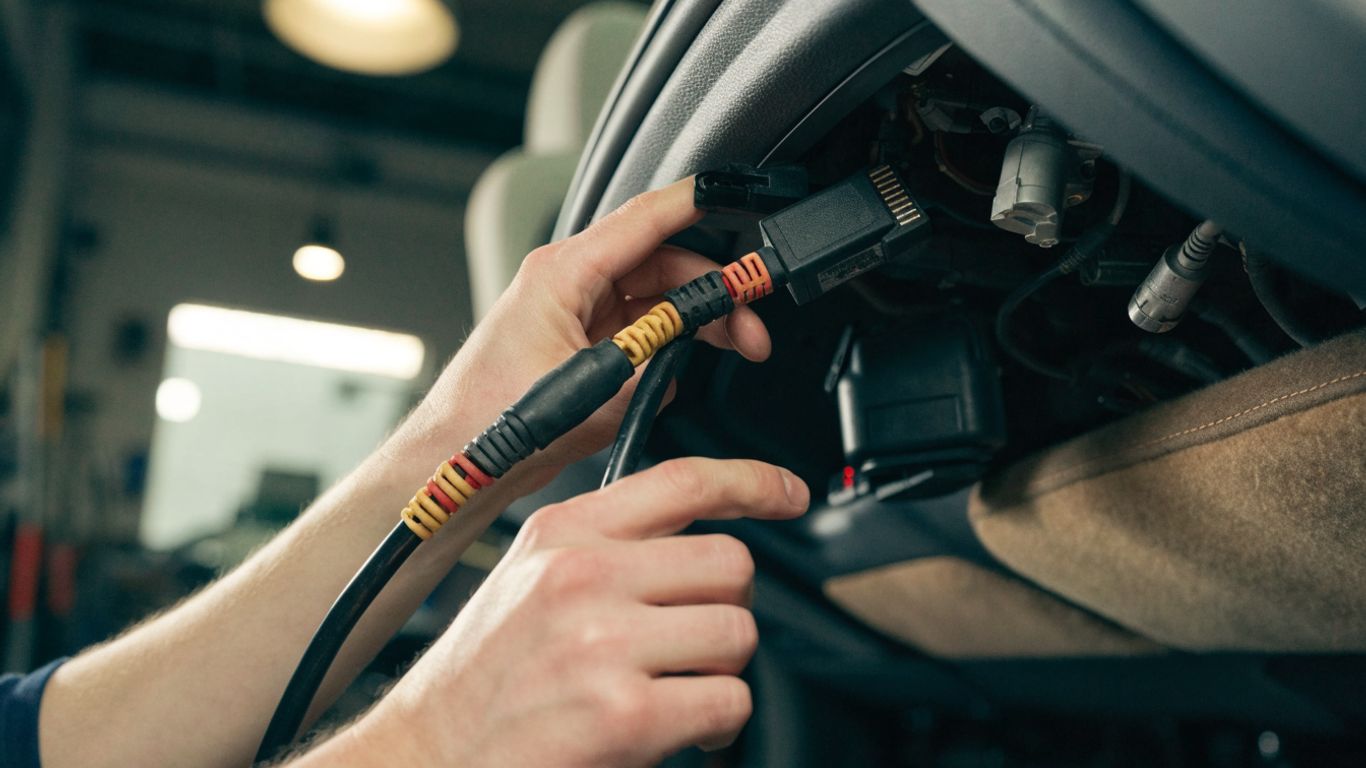
Where applicable, a mechanic may check fluid level and condition, look for leaks, and inspect accessible connections. Electronic diagnostics can identify stored fault information or help assess control-system concerns, but a code is not by itself a repair order. It points toward a system or condition that needs interpretation alongside the vehicle’s behavior and inspection results.
Ask what a test has established and what it has not established. For example, a scan may reveal a recorded fault without proving that a particular component has failed. Combining scan information with physical checks and a road test helps avoid replacing parts based on a single clue.
When an internal inspection may be necessary
If external checks and initial tests do not explain the symptoms, the mechanic may recommend further inspection that requires removing or opening components. Internal wear, damaged gears, or other faults may not be visible during a basic check. The shop should explain why this step is appropriate and what findings would change the estimate.
Before approving invasive work, ask whether the inspection has a separate cost and whether you will receive an update before additional repairs begin. If the likely findings could lead to very different repair options, clarify how the shop will document them. The goal is to understand the evidence before committing to a larger job.
Comparing repair costs and timelines
There is no single price that applies to every automatic or manual transmission repair. The same symptom can lead to a modest adjustment or a much larger job, depending on the cause and the vehicle. Compare written estimates that describe the diagnosis, proposed work, parts, labor, and any additional charges rather than relying on a broad price range alone.
Typical factors that affect the price
The main cost drivers are the failed component, the amount of labor required, parts availability, and whether diagnosis reveals related damage. A fluid leak or accessible external part may take less work than a repair requiring transmission removal. Vehicle make, model, age, and design also affect both parts pricing and the time a repair takes.
The following comparison is a starting point, not a price quote. The exact repair and the vehicle determine the final scope, so ask the shop to explain which category best describes its recommendation.
| Cost factor | Why it matters | What to ask |
|---|---|---|
| Diagnosis | Testing may take time before a fault is confirmed. | Is diagnosis included in the estimate? |
| Parts | The part, availability, and selected option affect the total. | What part is being fitted, and why? |
| Labor | Access and disassembly can change the hours required. | Which steps account for the labor time? |
| Repair scope | Related damage may change the original recommendation. | Will I be contacted before added work begins? |
Use the estimate to compare like with like: two quotes may describe different work even if both use the word “repair.” For a broader, unrelated example of comparing local project quotes, builder quote factors also show why scope and assumptions matter; that page is not a source of transmission prices. Keep the comparison focused on the work proposed for your vehicle.
Parts, labor, and transmission accessibility
The transmission’s location and the vehicle’s layout can affect how much time is needed to reach a component. Some jobs involve work around surrounding parts, while others require substantial removal and reinstallation. Labor can therefore be a larger part of the bill than the replacement part itself.
Ask whether the estimate includes related items such as fluids, seals, or other parts that must be replaced as part of the repair. Confirm whether the quote is fixed or may change after disassembly. A clear answer helps you understand both the likely total and the situations that could cause it to increase.
How repair complexity can change the timeline
A repair may take longer if diagnosis is uncertain, parts are not immediately available, or inspection reveals additional damage. The time the vehicle is in the shop is not always the same as hands-on labor time; waiting for parts or authorization can extend the calendar timeline. Ask for an expected range and when the shop will provide an update.
Household budgeting may include transportation alongside other major costs; for one unrelated regional example, Guanacaste living costs discusses monthly expenses that include transportation. It does not estimate car repairs, but it is a reminder to plan for the practical cost of being without a vehicle as well as the repair bill. If the vehicle is essential for work or caregiving, ask about likely downtime early.
Deciding whether to repair or replace a transmission
A repair recommendation should be considered in light of the confirmed fault, the vehicle’s overall condition, and the cost of each realistic option. A targeted repair can make sense when the problem is clearly limited, but a broader failure may call for a rebuild or replacement. No single symptom, by itself, settles the decision.
When a targeted repair may be enough
If testing identifies a specific fault and the remaining transmission appears serviceable, a focused repair may be appropriate. The mechanic should explain how the test results support the recommendation and whether the repair is expected to address the reported symptom. Ask what signs would suggest that the fault is more extensive than initially believed.
A useful estimate separates the repair itself from optional or preventive work. You can ask which items are essential now, which can wait, and what risk comes with delaying them. That makes it easier to compare a limited repair with the alternatives without treating every suggested part as equally urgent.
Signs a rebuild or replacement may be needed
A rebuild or replacement may be considered when inspection finds substantial internal wear or damage, or when several parts are affected. The choice can depend on what is available for the vehicle and the shop’s assessment of the transmission’s condition. Ask whether the recommendation is based on confirmed internal findings or on symptoms that still need further inspection.
Clarify what each option includes, such as parts, labor, installation, and warranty terms. Also ask whether any related vehicle issue could affect the outcome. A larger repair should come with a clear explanation of why a smaller fix is unlikely to be sufficient.
How vehicle age and value factor into the decision
The age of the vehicle is only one part of the decision. Overall condition, expected future use, safety, maintenance history, and the cost of comparable transportation all matter. A repair that is substantial in isolation may still be reasonable for a vehicle that otherwise meets the owner’s needs; a smaller repair may be harder to justify if other costly problems are imminent.
Compare the repair options with what you realistically expect from the vehicle, not only with its resale value. A second opinion can help when the proposed work is extensive or the evidence is unclear. Some unrelated articles discuss financial risk in very different contexts, such as online slot games; that material is not automotive advice, but it underlines why a repair decision should be based on a known budget and informed choice rather than a guess.
Choosing a repair shop and preventing future problems
A good repair conversation should leave you with a diagnosis, a clear scope of work, and a way to approve or decline additional charges. Look for explanations that connect the test results to the recommendation, not just a request to authorize a large repair. It is reasonable to ask questions and take time to compare estimates when the vehicle can safely wait.
Questions to ask before approving a repair
Ask what the mechanic found, how the shop confirmed it, and whether the proposed work addresses the reported symptom. Find out what the estimate includes, how long the repair may take, and whether the shop will contact you before doing additional work. If the diagnosis is still uncertain, ask what the next test is expected to clarify.
Good communication matters when an estimate changes after inspection. A shop should explain what changed and seek approval before proceeding with extra work. Planning time away from a vehicle can be difficult for anyone with a demanding schedule; an unrelated discussion of therapist burnout covers workload and recovery, not vehicle repairs, but the practical point here is simply to ask about downtime before making arrangements.
Comparing estimates, warranties, and parts
Compare estimates by the actual work, not just the total. Check whether each includes the same diagnosis, parts, labor, fluids, and related services, and ask what the warranty covers and for how long. If the quotes differ, invite each shop to explain the difference instead of assuming the lowest figure includes the same repair.
Ask whether the part is new, remanufactured, or used, and what that means for the particular job. Get any warranty terms in writing, including exclusions and the steps to follow if the problem returns. When considering a supplier or repair business, its location or broad claims alone cannot confirm that a specific part fits; use the vehicle’s details and the shop’s verification process.
Maintenance habits that help extend transmission life
Follow the maintenance schedule and fluid specifications in the owner’s manual, since requirements vary by vehicle. Pay attention to new leaks, changes in shifting, and unusual sounds rather than waiting until the vehicle is difficult to drive. Avoid habits that put unnecessary strain on the transmission, and ask a mechanic about any maintenance item that is unclear for your model.
A little information kept with the vehicle’s records can make future service more straightforward. Note the date and mileage of maintenance, the parts used, and any symptoms reported to the shop. When using a service or rewards app for automotive purchases, read its app privacy choices before sharing personal or location information; that page concerns a particular app’s data practices, not transmission maintenance.
Conclusion
Automatic and manual transmissions have different components and repair paths, but neither should be judged by a symptom or general price range alone. Describe what the vehicle is doing, ask how the diagnosis was reached, and compare estimates by scope, parts, labor, and warranty. With that information, you can make a more grounded choice between a targeted repair, a rebuild, or replacement.
Frequently Asked Questions
Are automatic transmission repairs always more expensive?
No. Cost depends on the fault, the vehicle, parts, labor, and how difficult the repair is to access. A specific diagnosis and written estimate are more useful than a general comparison.
Are manual transmission repairs usually limited to the clutch?
No. A clutch issue is common, but shifting concerns can also involve linkage or internal components. Inspection is needed to identify the cause.
Can I keep driving if my transmission is slipping?
It is best to seek professional advice promptly, especially if the problem worsens, the vehicle loses drive, or warning lights appear. Continuing to drive may add strain, and the vehicle may not be safe to operate.
What does a transmission warning light mean?
It indicates that the vehicle has detected a condition requiring attention, but it does not identify a failed part by itself. A mechanic can interpret diagnostic information alongside inspection and symptoms.
How long does transmission repair take?
The timeline ranges from a shorter repair to a longer job involving extensive diagnosis, removal, or parts delays. Ask the shop for an expected range and how it will keep you updated.
Should I repair or replace a failing transmission?
That depends on the confirmed damage, the options available, the vehicle’s overall condition, and the costs of each choice. Ask the mechanic to explain the evidence and compare the scope and warranty of each option.
What should I ask a shop before approving transmission work?
Ask what was found, how the diagnosis was confirmed, what the estimate includes, and whether you will be contacted before additional work. Also clarify parts, warranty coverage, and the expected time without the vehicle.