

Key Takeaways
Choosing a replacement transmission takes more than comparing prices. Confirm the exact fit, understand the total cost, and get warranty and delivery terms in writing before you buy.
- Compare new, rebuilt, remanufactured, and used units against your repair needs.
- Use your VIN and transmission code to verify compatibility before ordering.
- Compare the full cost, including shipping, installation, and any core charge.
- Ask how the unit was inspected and what documentation comes with it.
- Read warranty, return, delivery, and installation requirements before committing.
Understand your transmission replacement options
The phrase replacement transmissions for sale covers units with different histories, levels of reconditioning, and prices. A lower price may suit a vehicle with limited remaining use, while a more extensively reconditioned unit may make sense for a vehicle you plan to keep. Start by understanding what each category means, then compare the unit’s condition and coverage rather than relying on the label alone. Your mechanic can also help determine whether a replacement is necessary.
New, rebuilt, and remanufactured transmissions compared
A new transmission is built from new components, while a rebuilt unit is repaired using a mix of inspected original parts and replacements. A remanufactured unit is typically disassembled and reconditioned, but the exact process varies by seller, so ask what work was performed. The descriptions are not enough to predict quality; the parts replaced, inspection process, and warranty all matter.
A simple comparison can help frame the questions to ask, though the seller’s definition should guide your decision.
| Type | What to ask | Useful comparison point |
|---|---|---|
| New | Are all components new? | Included parts and coverage |
| Rebuilt | Which parts were repaired or replaced? | Inspection and repair records |
| Remanufactured | What reconditioning steps were completed? | Testing and warranty terms |
| Used | What is known about its prior use? | Mileage, source, and return terms |
After comparing the labels, ask for details about the specific unit. A clear explanation of the work done is more useful than a broad category name.
Used transmissions and what their history can tell you
A used transmission may cost less upfront, but its past use can be difficult to assess without records. Ask for the donor vehicle details, available mileage information, and any inspection findings. Find out whether the unit was tested, and what the seller does if it arrives damaged or proves incompatible. If the history is incomplete, treat that uncertainty as part of the buying decision rather than assuming the unit has a predictable service life.
Matching transmission type to your repair needs
The right choice depends on the vehicle’s intended use, its overall condition, and the repair budget. A daily driver that you intend to keep may justify prioritizing documented work and clear warranty terms. For an older vehicle used occasionally, a lower-cost option may be reasonable if you understand its history and the return conditions. In either case, discuss the options with the technician who will install it before placing an order.
When a replacement may be better than a repair
A replacement can be worth considering when the transmission has extensive internal damage, when a repair estimate is high, or when the likely repair scope is uncertain. A repair may still be preferable if the problem is limited and the remaining components are in good condition. Ask for a diagnosis and an itemized estimate, then compare the repair with the full replacement cost, including labor and any additional parts. The decision should follow the condition of the unit, not just the first price you see.
Confirm the transmission fits your vehicle
A transmission can look right in a listing and still be incompatible with your vehicle. Differences in engine, drivetrain, production year, and transmission configuration can affect fitment. Gather identifying information before asking for a quote, then have the seller or installer verify the exact unit. Australia’s trusted Car Parts Supplier connects customers with used, genuine, and aftermarket parts through a network serving Melbourne, Sydney, Brisbane, and nationwide, but confirming the specific fit remains essential.

Find your vehicle identification number and transmission code
Your vehicle identification number (VIN) identifies the vehicle’s original configuration and is often found on the dashboard near the windscreen or on a label inside the driver’s door. The transmission code may appear on a vehicle label or in service records; its location varies by make and model. Give the seller the full VIN and any transmission code you can find, and ask them to confirm the match in writing. If you cannot locate the code, a repair shop or dealership may be able to help identify it.
Check year, make, model, engine, and drivetrain
When checking compatibility, supply the complete vehicle details rather than only the model name. The same model year can have multiple engine and drivetrain combinations, and a transmission listed for one configuration may not suit another. Confirm whether the vehicle is front-wheel drive, rear-wheel drive, all-wheel drive, or four-wheel drive, and mention any relevant changes from its original setup. These details help narrow the search before you compare specific units.
Verify fitment for automatic and manual transmissions
Automatic and manual transmissions have different components and fitment requirements, so first confirm which type the vehicle uses. For a manual unit, check details such as the bellhousing, gearing, and any included clutch-related components with the installer. For an automatic, ask about the exact transmission variant and whether the unit’s configuration matches the vehicle. Do not assume that two transmissions with similar names are interchangeable; seek confirmation against the VIN and vehicle specification.
Ask about software, sensors, and included components
Some replacements may require compatible sensors, wiring, control modules, or programming, depending on the vehicle and transmission. Ask whether the listed unit includes the components needed for installation or whether they must be transferred from the old transmission or sourced separately. A technician can identify any programming steps and confirm whether the vehicle’s existing electronics are compatible. Get those details before purchase to avoid unexpected delays once the transmission arrives.
Compare prices and total replacement costs
The advertised price is only one part of the expense. Shipping, taxes, installation labor, fluids, additional components, and a refundable or non-refundable core charge can change the final figure. Request an itemized quote for the exact transmission being considered, and make sure it reflects your vehicle and delivery location. Comparing the complete cost makes it easier to weigh a low initial price against coverage and condition.
Identify what the listed price includes
Ask whether the listing is for the transmission alone or includes items such as a torque converter, sensors, or other components needed for installation. Clarify whether the unit has been tested and whether any work or inspection is included in the price. A seller may quote a base unit while the installer identifies additional parts later, so ask what could raise the estimate. Keep the answers with your quote so you can compare offers on the same basis.
Budget for shipping, taxes, and installation
A transmission is heavy, and delivery arrangements can add a meaningful amount to the purchase cost. Ask whether shipping is included, whether delivery is to a business or residential address, and whether special equipment is needed to unload it. Get a labor estimate from the shop that will do the work, and ask whether fluids or related parts are separate. Australia’s trusted Car Parts Supplier serves customers across Melbourne, Sydney, Brisbane, and nationwide; wherever you are, check the delivery terms for your location rather than assuming they are uniform.
Compare core charges and return requirements
Some sellers require the old transmission to be returned, sometimes with a core charge paid upfront and refunded after the old unit is received and inspected. Confirm the charge amount, return deadline, packaging requirements, and who pays return freight. Ask what condition the core must be in and whether missing parts or damage could affect the refund. Clear answers help you budget accurately and plan the removal and return before the replacement is installed.
Weigh upfront cost against expected service life
A cheaper unit can be appealing, but the purchase price alone cannot tell you how long it may last. Consider the available history, inspection details, warranty, and the cost of removing and installing a replacement if the unit fails. Compare those factors with the expected use of the vehicle and your plans for it. The best-value option is the one whose cost and risk make sense together, not automatically the least expensive listing.
Evaluate sellers and transmission quality
A seller should be able to explain what is known about a unit and what is not. Look for specific information about inspection, testing, source, included components, and support after purchase. If answers are vague, ask follow-up questions before paying. Australia’s trusted Car Parts Supplier describes a network for finding quality used, genuine, and aftermarket parts; whatever supplier you choose, evaluate the individual transmission and its paperwork rather than relying on broad claims.
Review the seller’s inspection and testing process
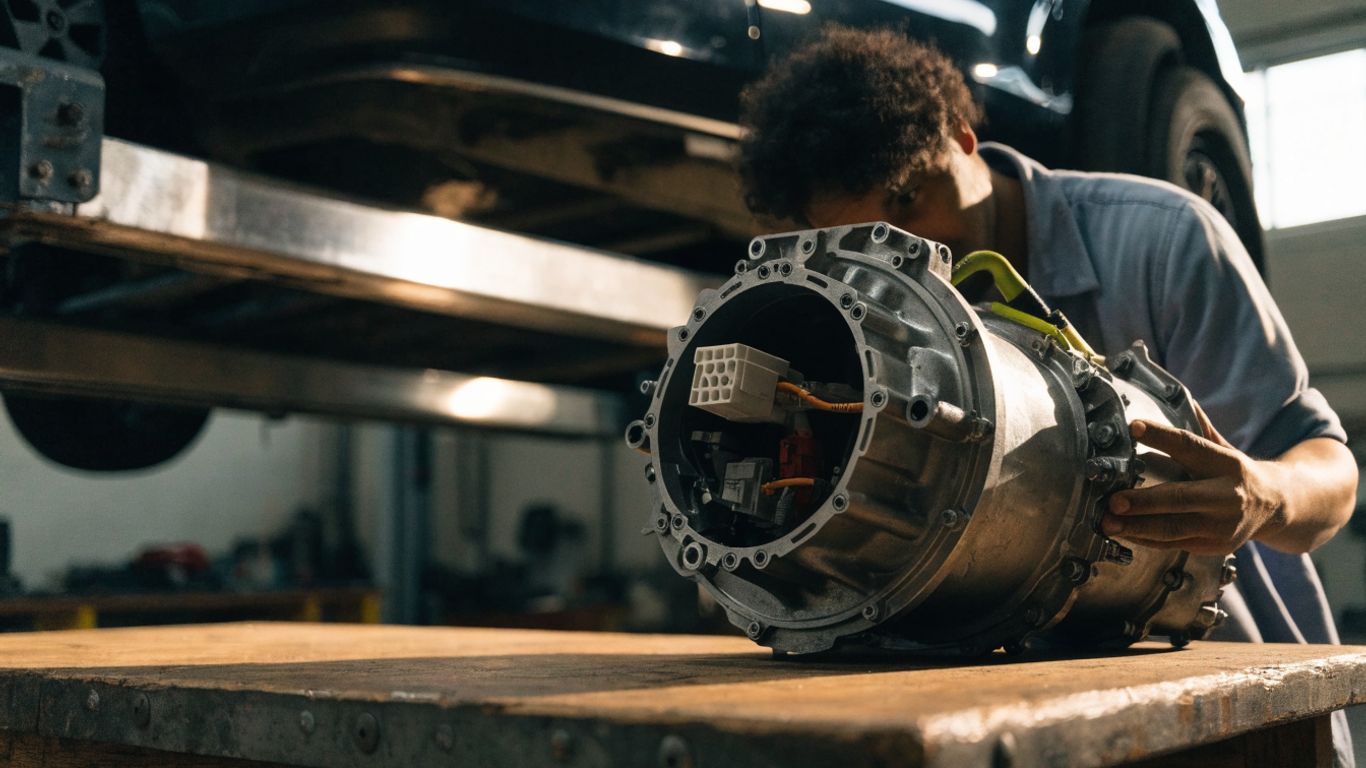
Ask what inspection was performed and whether the transmission was tested before sale. Find out which components were checked, whether any defects were found, and how those findings are recorded. For a used unit, ask whether testing was possible before removal from the donor vehicle. A specific account of the process gives you a clearer basis for comparing units than an unsupported description of condition.
Check inventory details and unit documentation
Verify that the listing identifies the transmission type, relevant codes, source information, and what is included. Request available photos or documentation for the actual unit, not only a representative image. Check that the part number and fitment details correspond with what the seller confirmed for your vehicle. Keep the listing, invoice, and any written fitment confirmation in case you need to refer to them later.
Read customer reviews and complaint histories
Reviews can offer clues about communication, delivery, and how a seller responds when something goes wrong. Look for patterns across multiple accounts rather than treating one very positive or negative review as decisive. Pay attention to whether complaints are answered clearly and whether customers describe a resolution. Reviews cannot verify the condition of a specific transmission, so use them alongside documentation and direct questions.
Ask who handles technical support and claims
Before ordering, find out whom to contact if the transmission does not fit, arrives damaged, or develops a problem after installation. Ask whether technical questions go to the seller, the manufacturer, or another party, and what information they will need. Save names, contact details, and any claim instructions. Knowing the process in advance can make a stressful problem easier to handle.
Understand warranties and return policies
Warranty terms can differ substantially between units that appear similar. Check what parts are covered, when coverage begins, and what steps you must follow if a problem occurs. Return rules are separate from warranty coverage, so read both before ordering. Ask for the current written terms and keep a copy with your invoice.
Compare warranty length and covered parts
Check the warranty period and whether it is based on time, mileage, or both. Read which parts are covered, what kinds of failures qualify, and whether coverage changes depending on the unit type. Ask how to start a claim and whether the seller needs an inspection before authorizing further work. A longer warranty is not necessarily broader, so compare the details rather than the headline duration.
Check labor, towing, and removal exclusions
Some warranties cover the transmission but exclude the labor to remove and reinstall it. Towing, fluids, diagnostic work, and related repairs may also be excluded. Ask which expenses you would be responsible for if a claim is approved, and whether the vehicle must be taken to a particular repairer. These details matter because installation and removal costs can be significant even when the unit itself is covered.
Review return windows and restocking fees
A return policy may apply to an unused, incorrectly ordered, or damaged unit, but deadlines and conditions vary. Confirm how quickly you must report a problem, whether the transmission must remain uninstalled, and whether a restocking fee or return freight applies. Ask what to do if packaging is damaged or the delivered unit does not match the paperwork. Get the instructions in writing before the shipment arrives.
Confirm requirements for professional installation
Some warranty terms require installation by a qualified professional or documentation from the repair shop. Confirm whether that applies to your unit and what records must be kept, such as labor invoices or installation notes. Ask whether the installer must use specified fluids or follow a particular procedure. Share the warranty terms with the shop before work begins, so its requirements are not discovered after installation.
Plan delivery and installation
A smooth replacement depends on coordinating the delivery with the shop and having the vehicle ready for the work. Confirm the delivery date, the unloading arrangements, and how long the shop expects the installation to take. Make sure the old unit can be stored safely if it must be returned as a core. A little preparation can prevent a transmission from arriving before anyone is ready to handle it.
Choose shipping that suits the transmission and your schedule
Ask how the unit will be packaged, where it will be delivered, and whether someone must be present to receive it. Check the estimated transit time and how the carrier will arrange delivery, especially if the shop has limited receiving hours. Coordinate the shipment with the installer so the transmission is not left waiting in an unsuitable location. Confirm who to contact if tracking information changes or delivery is delayed.
Inspect the shipment before accepting delivery
When the transmission arrives, inspect the packaging for visible damage before signing, and note any concerns with the carrier. Compare the shipment with the invoice and the seller’s description, including part numbers and included items. Photograph damage or discrepancies and contact the seller promptly, following its instructions. Do not install a unit that appears damaged or does not match the order until the issue has been resolved.
Prepare the vehicle and installation workspace
Before the work begins, confirm the shop has the replacement unit, vehicle details, and warranty requirements. Ask whether any additional parts or fluids are needed and whether the old transmission should be retained for inspection or return. A short preparation list can help keep the job on track:
- Confirm the unit and included components against the order.
- Arrange a suitable place to unload and store the transmission.
- Coordinate the core return deadline with the installer.
- Share warranty and installation requirements with the repair shop.
With these details settled ahead of time, the installer can flag missing parts or paperwork before the vehicle is apart. That is generally easier than trying to sort out a delivery or fitment question mid-job.
Follow break-in, fluid, and maintenance guidance
After installation, follow the instructions provided for the specific transmission and vehicle. Ask the technician which fluid is required, whether any checks or adjustments are needed, and whether there are break-in recommendations. Keep receipts and service records, since they may be useful for future maintenance or a warranty claim. If you notice unusual noises, leaks, or shifting behavior, contact the installer promptly rather than assuming it will resolve on its own.
A careful purchase starts with the vehicle’s exact specifications and ends with clear installation and warranty records. Compare the total cost and the unit’s documented condition, not just the price tag, then coordinate delivery with the shop that will fit it. Taking these steps makes it easier to choose a transmission that suits both the vehicle and the repair budget.
Conclusion
Choosing a replacement transmission is a balance of fit, condition, total cost, and the protection available if something goes wrong. Verify the unit against your vehicle details, ask direct questions about its history and testing, and coordinate warranty, delivery, and installation requirements before buying. A clear paper trail and a careful comparison can help you make a more confident decision.
Frequently Asked Questions
How do I know which transmission fits my vehicle?
Use the VIN, transmission code, engine, model year, and drivetrain details to confirm compatibility. Ask the seller or installer to verify the specific unit in writing before purchase.
Is a rebuilt transmission the same as a remanufactured one?
The terms can describe different processes, but sellers may use them differently. Ask which parts were inspected, repaired, or replaced and what testing was completed.
Is a used transmission worth considering?
It may suit a tighter budget, but its history and condition can be uncertain. Ask about its source, mileage information, inspection, return terms, and warranty.
What should a transmission quote include?
Ask for the unit price, included components, shipping, taxes, core charge, and any return freight. Also get a separate estimate for installation and related parts or fluids.
What is a transmission core charge?
It is a charge that may be refunded when the old transmission is returned and accepted under the seller’s conditions. Confirm the deadline, return cost, and required condition.
Should a professional install a replacement transmission?
A qualified technician can verify fitment and installation requirements, and professional installation may be required by some warranty terms. Check the specific warranty before arranging the work.
What should I do if the transmission arrives damaged?
Document the damage, note it with the carrier when possible, and contact the seller promptly. Follow the seller’s instructions and avoid installing the unit until the issue is addressed.