

Key Takeaways
The price of an automatic transmission flush depends on the vehicle, the fluid, and exactly what the shop plans to do. A written estimate makes it easier to compare the service you need rather than just the headline price.
- Ask whether the recommendation is for a flush or a drain-and-fill.
- Confirm the fluid type and quantity listed on the estimate.
- Check whether filter, gasket, inspection, and labor are included.
- Follow the vehicle manufacturer’s maintenance schedule, not a generic interval.
- Get a diagnosis before approving a flush when shifting problems or leaks are present.
Typical automatic transmission flush cost
An automatic transmission flush cost can vary considerably from one vehicle and service provider to another. In the US, a routine professional service may commonly fall around $150 to $300, while specialized fluid, a larger fill capacity, or extra work can push the total higher. Treat that range as a starting point, not a promise: the service description matters as much as the final number. A current guide to transmission flush costs also discusses how service method and vehicle needs affect estimates.
Common price ranges at repair shops and dealerships
For a straightforward service using the specified fluid, an independent repair shop might quote roughly $150 to $300. Dealership estimates can be higher, especially when the vehicle requires a specific fluid or the service includes additional inspection or parts. These are broad planning figures, not fixed national prices, and local estimates may land outside them.
When comparing estimates, look for the exact procedure as well as the total. One shop may be quoting a fluid exchange, while another is including a pan removal and filter replacement. Those are not necessarily equivalent services, even if both are described casually as a “flush.”
How vehicle type and transmission design affect the bill
A compact car with a relatively small fluid capacity may cost less to service than a larger vehicle requiring more fluid. Transmission design matters, too: some vehicles use specialized fluids, have less accessible service points, or call for a procedure that takes more time. The correct specification matters more than choosing the least expensive fluid on the estimate.
A continuously variable transmission or another specialized automatic may require fluid made for that design. Using a generic estimate that assumes a conventional automatic can lead to a misleading comparison, so provide the shop with the year, make, model, and, if known, the transmission type.
Why local labor rates and region can change the estimate
Labor rates vary by city, shop overhead, and the time a particular vehicle takes to service. A quote from a busy metro area may be higher than one in a smaller town, even when the listed fluid and procedure are similar. Taxes, disposal charges, and regional parts availability can also affect the total.
That variation is one reason an online price should be treated as a reference rather than a quote. For a useful comparison, ask two or three local shops to price the same service scope and vehicle details.
What a quote should include
A useful estimate identifies the service method, fluid, quantity, labor, and any parts or fees. If it only says “transmission flush,” ask what that phrase means at that shop. The distinction can change both the bill and what maintenance is actually performed.
| Estimate detail | What to check |
|---|---|
| Service method | Flush, exchange, or drain-and-fill |
| Fluid | Specification and approximate quantity |
| Parts | Filter, gasket, or other items, if applicable |
| Total | Labor, shop fees, taxes, and disposal charges |
Read the estimate as a description of work, not just a price tag. If any line is unclear, ask the service writer to explain it before authorizing the job.
What affects the price of a transmission flush
The vehicle’s design and service history shape the estimate, but so does the shop’s definition of a flush. Some jobs involve replacing fluid through service equipment; others may include removing the pan, changing a filter, or addressing a leak. Clarifying those details helps separate routine maintenance from repairs that need a separate diagnosis.
The amount and type of fluid required
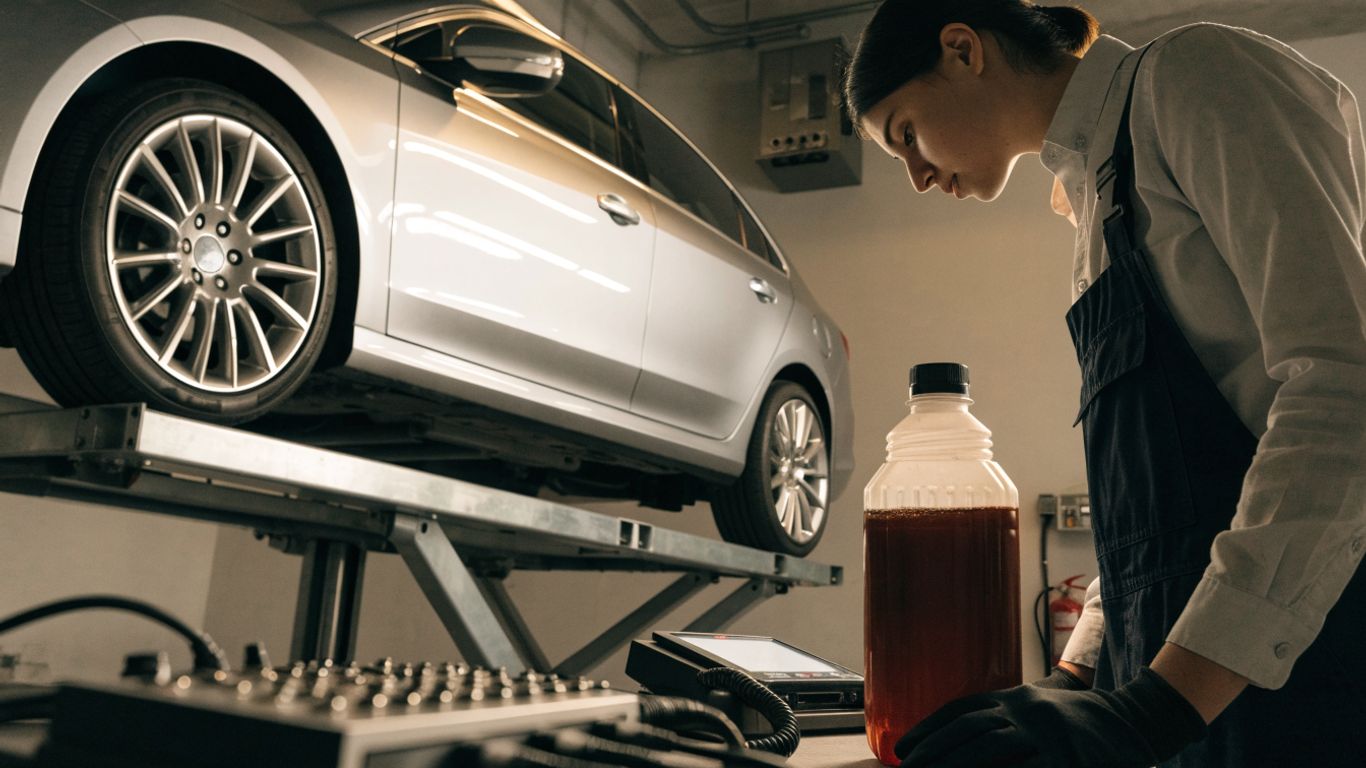
Fluid is a major part of the bill. Vehicles differ in capacity, and manufacturer specifications may call for a particular fluid formulation rather than a broadly compatible product. The shop should be able to name the fluid it plans to use and explain how it matches the vehicle’s requirements.
A lower estimate may reflect a smaller quantity, a different service scope, or a fluid that has not been clearly identified. Ask for the listed fluid and amount so that you can compare like with like.
Whether the filter, pan gasket, or other parts need replacement
Not every fluid service includes a filter change or pan removal. Depending on the vehicle’s design and the manufacturer’s procedure, a filter may be serviceable during the job, or it may not be part of the recommended routine service. A gasket may also be needed if the pan is removed.
Before approving parts, ask whether they are required for the quoted procedure or recommended because a specific problem was found. An itemized estimate should distinguish routine service items from additional repairs.
Equipment and labor differences between service providers
Service providers may use different methods and equipment, and labor time can vary with vehicle access and procedure. The equipment itself does not establish that one service is automatically better; what matters is whether the method is appropriate for the vehicle and follows its service requirements.
Ask the shop to describe the process in plain language. You can also compare general explanations of transmission fluid exchange services, while keeping in mind that a guide cannot determine the right procedure for your particular vehicle.
Extra costs if the fluid is contaminated or a leak is found
A technician may find a leak, damaged component, or fluid condition that calls for diagnosis. Those findings can mean additional parts and labor, but they should not be folded into a vague “flush” charge without explanation. A flush does not repair a leak or fix an internal transmission fault.
If a concern is found, ask what was observed, what testing supports the recommendation, and whether the vehicle can safely wait for the repair. Approve additional work only after the shop has explained the cost and purpose.
Flush vs. drain-and-fill cost and differences
A flush and a drain-and-fill both replace transmission fluid, but they do not necessarily remove the same amount or follow the same procedure. Shops may also use terms such as “exchange” differently, so the wording on the estimate alone may not tell you what will happen. The best choice depends on the vehicle’s service instructions and condition, not simply on which option sounds more thorough.
How the two services remove and replace fluid
With a drain-and-fill, a technician drains fluid from the transmission pan or designated drain point and refills it. Some old fluid can remain in parts of the system, depending on the vehicle’s design. A flush or fluid exchange uses a service method intended to replace a larger share of the fluid, though exact procedures differ by equipment and vehicle.
Neither name guarantees that the filter or pan will be serviced. Ask which components are opened, how fluid is exchanged, and whether the procedure follows the manufacturer’s recommendations for your model.
How their prices typically compare
A drain-and-fill is often less expensive because it may use less fluid and involve fewer steps. An exchange or flush can cost more when it uses additional fluid, specialized equipment, or more labor. If the estimate includes pan removal and a filter, compare that separately from a fluid-only service.
Price comparisons are meaningful only when the work is similar. A lower drain-and-fill quote is not automatically a better deal than a higher exchange quote if the services have different scopes or address different maintenance needs.
When a flush may not be recommended
A flush may not be appropriate for every vehicle or every symptom. If the owner’s manual or manufacturer procedure specifies another service, follow that guidance. If the fluid is leaking, the transmission is slipping, or shifting has changed noticeably, the first step may be diagnosis rather than fluid exchange.
A technician should explain the reason for recommending a flush, especially if the vehicle has a neglected service history or existing problems. Be cautious about any promise that a flush will cure a mechanical fault; fluid service is maintenance, not a repair for damaged parts.
What to ask a mechanic before choosing a service
A few direct questions can make the decision clearer without requiring you to know every transmission detail. Start by asking what the vehicle’s maintenance information recommends, then have the technician explain how the proposed work matches it. It can help to keep these questions handy:
- Is the estimate for a flush, an exchange, or a drain-and-fill?
- Which fluid specification and quantity will you use?
- Does the price include a filter, pan gasket, or inspection?
- If you found a problem, can you show me the evidence and quote it separately?
The answers should make the work and total cost easier to understand. If the explanation remains vague, get another estimate before authorizing service.
What’s included in the service
A transmission fluid service can be a simple fluid replacement or a broader job that includes inspection and parts. The specific contents depend on the vehicle and the procedure selected, so there is no single checklist that applies to every automatic transmission. Confirm the scope before booking, and ask the shop to document any additional work it recommends.
Fluid inspection and vehicle checks
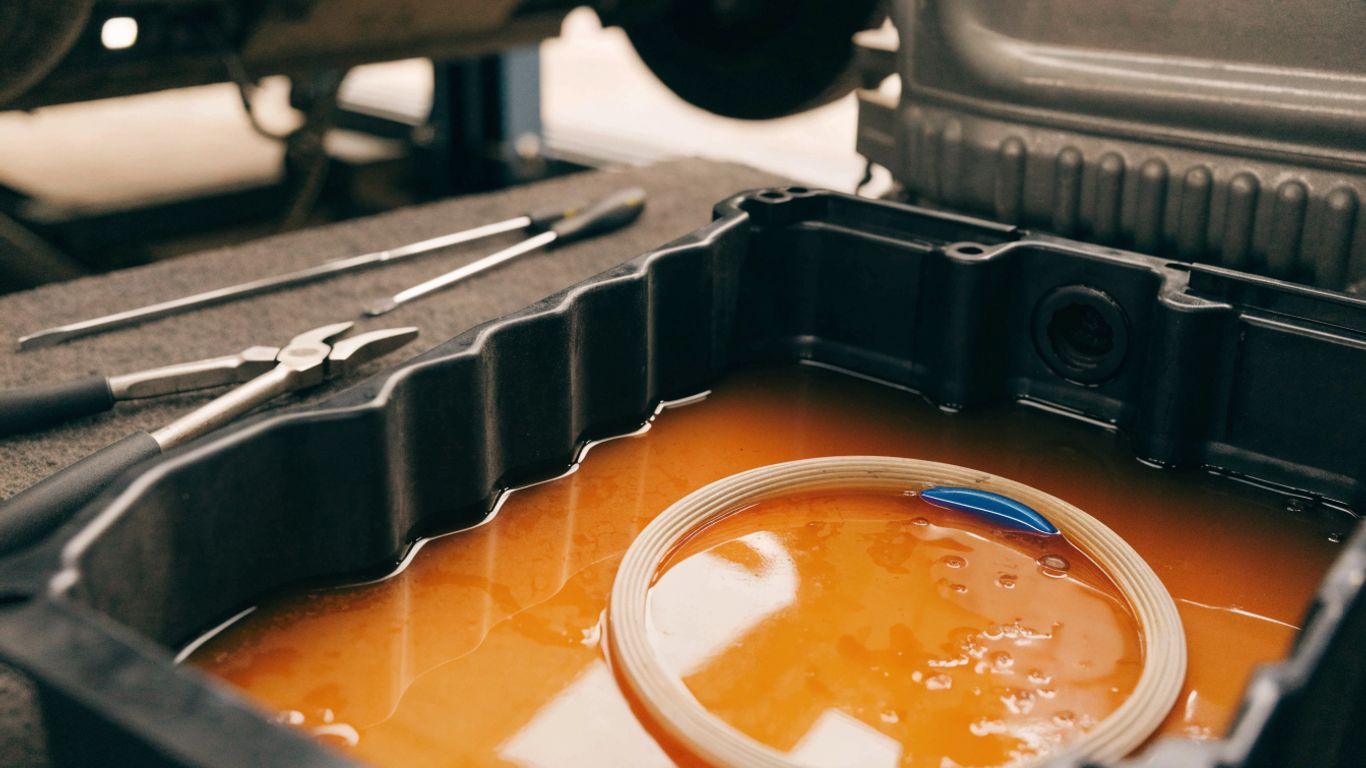
A shop may check fluid level and condition, look for visible leaks, and note any concerns reported by the driver. The correct way to check the level can vary by vehicle; some transmissions require a particular temperature or procedure. A quick visual check is not a complete diagnosis of shifting or internal problems.
Tell the technician about symptoms and recent repairs when you drop off the vehicle. That context can help determine whether routine service is suitable or whether a diagnostic check should come first.
Fluid replacement and filter service
The fluid portion may involve draining and refilling or using an exchange procedure, depending on the vehicle and recommendation. Filter service is a separate detail to verify: some estimates include it, while others do not, and vehicle designs differ in how the filter is accessed or serviced.
Ask whether the price includes the filter and how the old fluid will be handled. A precise answer helps prevent a misunderstanding when you collect the vehicle.
Pan cleaning and gasket replacement
If the service requires removing the transmission pan, the technician may clean it and replace its gasket as appropriate. Some vehicles do not require pan removal for the chosen fluid service, so these tasks should not be assumed to be included in every flush price.
If a gasket or pan is listed as an extra, ask what condition made replacement necessary. The shop should identify the part and explain whether the added work is required to complete the service or addresses a separate issue.
Road testing and post-service checks
Depending on the service and the shop’s procedure, a technician may verify fluid level, inspect for leaks, and check that the vehicle operates as expected. A road test may be included, but it is not universal, so confirm whether it is part of the estimate.
After service, keep the receipt with your maintenance records. It should identify the date, mileage, fluid, and work performed, which will make the next maintenance decision easier.
When to service automatic transmission fluid
There is no single interval that applies to every automatic transmission. The appropriate schedule depends on the vehicle, the specified fluid, and how it is driven. Rather than relying on a generic mileage claim or a shop’s blanket recommendation, begin with the owner’s manual or official maintenance information for your exact model.
Signs the fluid may need attention
A change in shifting, unusual noises, a burning smell, or a visible leak can be reasons to have the transmission checked. These signs do not prove that old fluid is the cause, and some may point to a mechanical or electrical issue instead. Fluid appearance alone is not enough to decide whether a flush will solve a problem.
If the vehicle behaves differently, note when the symptom occurs and describe it to a qualified technician. A careful assessment can identify whether fluid service, diagnosis, or another repair is appropriate.
How to check the maintenance schedule
Look up the maintenance schedule for the exact year, make, model, and transmission. The owner’s manual may distinguish normal driving from severe use, and some vehicles have specific fluid-check procedures or requirements. If the manual is missing, a dealership or repair shop can often consult vehicle-specific service information.
Record the mileage and any previous fluid work you know about. That history helps a technician distinguish scheduled maintenance from a service that is being recommended because of a symptom.
How driving conditions affect service intervals
Repeated towing, heavy loads, stop-and-go traffic, steep routes, or very hot conditions may count as severe use under some manufacturers’ schedules. The definition varies, so do not assume that one generic “severe service” interval applies across different vehicles.
Check how your regular driving compares with the schedule’s descriptions. If the manual specifies a shorter interval for those conditions, use that interval rather than an estimate copied from another model.
Why symptoms may call for diagnosis rather than a flush
A flush changes fluid; it does not identify the root cause of a transmission problem. Slipping, delayed engagement, warning lights, or a leak may call for inspection and testing first. Continuing to drive with a serious symptom can make the situation worse, so ask the shop whether the vehicle is safe to operate.
A good service recommendation should connect the observed symptom to a test or finding. If the only explanation is that a flush will fix everything, ask for a diagnostic opinion before agreeing to the work.
How to compare quotes and avoid unnecessary costs
A fair comparison starts with the same vehicle information and the same requested procedure at each shop. Ask for written estimates rather than relying on a quick phone price, and separate routine maintenance from repairs. That approach keeps a low headline number from hiding missing parts, fluid, or labor.
Request an itemized estimate
Ask the shop to list the service method, fluid, quantity, parts, labor, fees, and taxes. If the estimate gives only one total, request a breakdown or a clear written description of what the price covers. That record also gives you something specific to compare with another estimate.
Service costs are different from one field to another; for example, Taylor Family Store, SEO services, Las Vegas family activities, biomedical equipment service, and a Dubai heart health checkup each involve their own scope and pricing. Those topics do not inform a transmission estimate, which is why vehicle-service quotes should be compared on their own terms.
Confirm the fluid meets the vehicle’s specifications
Ask the service provider to identify the fluid specification recommended for your vehicle and confirm that the estimate uses it. Avoid relying on a broad label such as “universal” without checking compatibility against the vehicle’s requirements. If you are uncertain, consult the owner’s manual or ask the shop to show how it verified the specification.
A slightly higher quote may reflect the correct fluid and quantity, while a lower one may omit those details. Verify before comparing totals.
Compare service scope, warranty, and labor
Check whether each quote covers the same method, filter or gasket work, inspection, and post-service checks. Ask whether parts and labor carry a warranty and what that warranty covers. Keep the comparison practical: the goal is to understand the work, not to choose a shop based on one line item alone.
If you want a second reference for typical service descriptions, a transmission fluid change overview can help explain common terms. Still, your own vehicle’s maintenance information and the written estimate should guide the decision.
Get approval before additional repairs begin
Ask the shop to contact you before doing work that is not on the approved estimate. If the technician finds a leak or damaged part, request the diagnosis, the added cost, and any urgency before deciding. You can also ask whether the vehicle can be driven safely while you consider the repair.
Clear approval protects both sides from surprise charges. Keep the final invoice, especially if it records the fluid type, mileage, and any recommendations for follow-up.
Conclusion
A sensible transmission service starts with your vehicle’s maintenance requirements and a clear description of the work, not with the cheapest number or the word “flush” alone. Compare itemized estimates, confirm the fluid specification, and ask for diagnosis when symptoms or leaks are involved. With those details in hand, you can choose a service that fits the vehicle and understand what you are paying for.
Frequently Asked Questions
How much does an automatic transmission flush usually cost?
A routine professional service may commonly cost around $150 to $300 in the US, but vehicle design, fluid, labor, and service scope can move the estimate higher or lower. Get a written local quote for your vehicle.
Is a flush more expensive than a drain-and-fill?
Often, yes. A flush or exchange may use more fluid or equipment and take additional labor, while a drain-and-fill is usually a simpler procedure. Compare the exact work included rather than the label alone.
How often should automatic transmission fluid be changed?
Use the maintenance schedule for your specific vehicle. Recommended intervals differ by model, transmission, fluid, and driving conditions, so a generic interval may not fit your car.
Can a transmission flush fix slipping or delayed shifts?
A flush is a fluid service, not a repair for a mechanical fault. Slipping or delayed shifts should be diagnosed so the cause can be identified before deciding whether fluid replacement is appropriate.
Does a transmission flush include a filter change?
Not necessarily. The filter, pan gasket, and pan service depend on the vehicle and the procedure quoted. Ask the shop to state clearly whether those items are included.
Is dark transmission fluid a reason to get a flush?
Fluid color by itself does not establish what service is needed. Have the fluid and transmission condition assessed, especially if there are symptoms or a leak.
What information should I provide for an accurate quote?
Give the shop the vehicle’s year, make, model, mileage, and transmission type if known. Mention any shifting symptoms, leaks, towing use, or prior fluid service, and ask for an itemized estimate.