

Key Takeaways
Manual transmission problems are easier and usually less expensive to address when symptoms are recorded early and diagnosed properly.
- Clutch, gearbox, and differential faults can produce similar driving symptoms.
- Grinding, slipping, fluid leaks, and difficult gear selection should not be ignored.
- A road test and inspection are more useful than replacing parts by guesswork.
- Repair costs depend on labour, parts, damage, vehicle type, and parts availability.
- Good shifting habits and correct fluid can extend transmission life.
Understanding manual transmission problems
A manual transmission transfers engine power through several connected systems, so one fault can feel like another. The clutch controls engagement, the gearbox selects ratios, and the differential sends power to the drive wheels while allowing them to rotate at different speeds. Understanding that relationship makes it easier to describe a problem accurately when seeking manual transmission repair Melbourne services.
How the clutch, gearbox, and differential work together
The clutch temporarily separates the engine from the gearbox so a driver can select another gear. Inside the gearbox, gears and synchronisers manage speed differences before power travels through the driveshaft and differential. The differential then distributes torque between the driven wheels, particularly when the vehicle turns.
A worn clutch may cause engine revs to rise without matching road speed, while a gearbox fault may create grinding or prevent a particular gear from engaging. Differential problems are more likely to produce humming, clunking, or vibration that changes with road speed rather than engine speed.
Common signs of manual transmission failure
Symptoms often develop gradually, although a broken component can create an immediate problem. Pay attention to changes in sound, pedal feel, gear selection, and the way the vehicle responds under load. Early diagnosis can limit damage because continued driving may turn a small repair into a larger one.
A slipping clutch, burning smell, fluid underneath the vehicle, or a gear that repeatedly pops out deserves an inspection. Grinding during one shift may point to a synchroniser, while grinding in several gears can indicate a broader clutch or internal gearbox issue.
The difference between clutch problems and gearbox problems
Clutch faults usually affect engagement between the engine and transmission. Common clues include a high bite point, clutch slip under acceleration, difficulty selecting first or reverse, or a pedal that feels unusually soft or heavy. A release bearing may also make noise when the clutch pedal is pressed.
Gearbox faults are more closely connected to individual gears, internal bearings, shafts, or synchronisers. A technician will compare symptoms across gears and driving conditions rather than assuming every shifting problem requires a complete gearbox replacement.
When a drivability issue requires immediate attention
Stop driving and arrange professional assistance if the transmission is leaking heavily, the clutch will not disengage, or the vehicle cannot select a safe gear. Loud grinding, a sudden loss of drive, or a strong burning smell also warrants prompt attention. Continuing to operate the vehicle can damage gears, bearings, or the differential.
For less severe symptoms, drive gently and avoid towing or heavy loads until the cause is known. A short trip to a workshop may be reasonable only when the vehicle remains controllable and the issue is not worsening.
Diagnosing manual transmission faults
Diagnosis should begin with the driver’s account, followed by a visual inspection and road test. A technician will try to reproduce the symptom, identify when it occurs, and separate engine, clutch, gearbox, driveline, and wheel-related causes. This approach is more reliable than treating a noise or vibration in isolation.
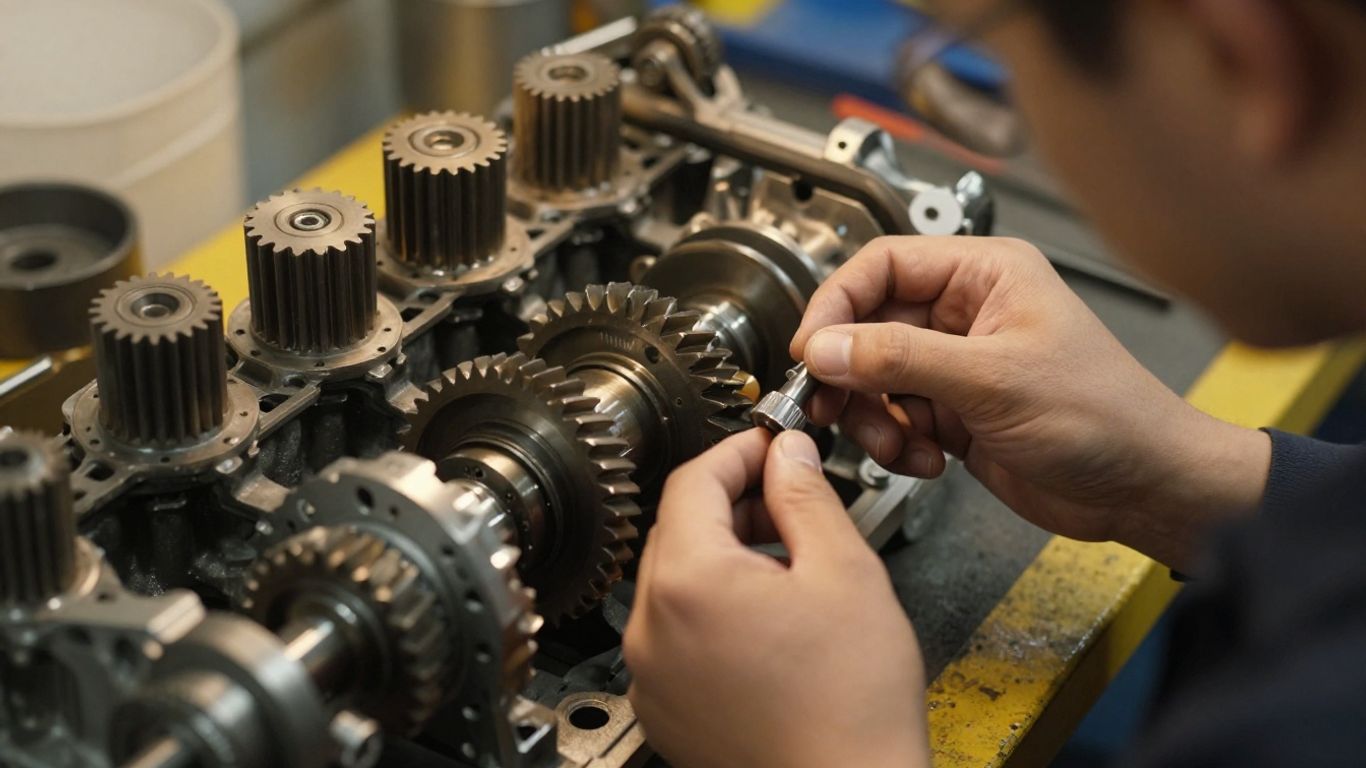
Road-test symptoms technicians look for
During a road test, a technician may assess clutch take-up, shift quality, gear engagement, noises during acceleration and coast-down, and whether the symptom changes with engine or road speed. They may also test reverse and lower gears because these can reveal clutch-release problems.
The timing of the symptom matters. A noise only under load suggests a different line of investigation from one that appears when the accelerator is released. Likewise, a vibration during acceleration may involve mounts or driveline components rather than the gearbox itself.
Checking transmission fluid, linkages, and mounts
Manual transmission fluid should be checked for the correct level, leaks, contamination, and the specification recommended for that vehicle. Linkages, cables, bushings, mounts, driveshafts, and CV joints also deserve attention because looseness or wear can make a healthy gearbox feel difficult to operate.
A workshop may inspect the casing and seals for dampness, then check whether the selector mechanism is moving through its full range. These simple checks can identify an external fault before internal disassembly is considered.
Using noise, vibration, and gear-selection clues
Noise is most useful when described precisely. Note whether it occurs in neutral, with the clutch pedal pressed, in a particular gear, during acceleration, or while coasting. Vibration should also be described by speed, load, and location rather than simply labelled as a transmission problem.
A concise record from the driver can include the following details:
- Which gear or gears are affected.
- Whether the symptom appears hot, cold, or all the time.
- Whether pressing the clutch changes the noise.
- Whether fluid spots or unusual smells are present.
That information helps the technician reproduce the problem and reduces the temptation to replace unrelated components. If the issue is outside the transmission, the repair plan can stay focused on the actual source.
Why accurate diagnosis can prevent unnecessary repairs
A clutch kit, synchroniser, bearing, mount, linkage, and differential can all produce different repair requirements. Replacing one without confirming the fault may waste money and leave the original symptom unresolved. A written diagnosis should explain the evidence, the failed component, and whether related parts need inspection while access is available.
A local manual transmission service page can be a useful starting point for understanding common fluid, leak, clutch, and noise concerns, but a vehicle-specific inspection is still needed before authorising repairs.
Manual transmission repair services in Melbourne
The appropriate repair depends on what the inspection finds and on the condition of the surrounding components. Some jobs involve external adjustment or a seal, while others require removal and disassembly of the gearbox. A sensible workshop will explain the options in plain language before work begins.
Clutch replacement and flywheel resurfacing
A clutch replacement commonly involves the friction disc, pressure plate, and release bearing, with the flywheel inspected at the same time. If its surface is damaged or uneven, resurfacing or replacement may be recommended so the new clutch can bed in properly.
It is also worth checking the clutch hydraulics, cable, fork, pilot bearing, and rear main seal where applicable. Replacing only the visibly worn part may leave another cause of poor engagement unresolved.
Gear synchronizer and bearing repairs
Synchronisers help match gear speeds during shifts, while bearings support rotating shafts and gears. Worn synchronisers can cause grinding or resistance in selected gears; bearing wear may create a whine, rumble, or growl that changes with load.
Internal repairs require gearbox removal and careful measurement of components. The technician should identify which parts are damaged and whether related gears, seals, or bearings should be renewed during the same rebuild.
Gearbox rebuilds and replacement options
A rebuild involves dismantling the gearbox, cleaning and inspecting its components, replacing damaged parts, and setting clearances correctly. A replacement unit may be more practical when the original casing or several major components are badly damaged, or when a suitable unit is readily available.
Ask whether the replacement is used, reconditioned, rebuilt, or new, and clarify what testing and warranty apply. The cheapest initial option is not always the lowest-cost outcome if compatibility or condition is uncertain.
Shifter, linkage, seal, and differential repairs
External shifter parts, cables, bushes, and mounts can wear without the internal gearbox being faulty. Seal replacement may stop a fluid leak, while differential repairs address worn bearings, gears, or related driveline components.
A supplier that connects customers with used, genuine, and aftermarket parts can help locate alternatives for older or less common vehicles. The exact part number, specification, condition, and warranty should still be confirmed before purchase.
Manual transmission repair costs and timelines
There is no single price for manual transmission repair Melbourne work because the same symptom can lead to very different repairs. Labour access, vehicle design, parts availability, damage discovered after disassembly, and the type of replacement all affect the final figure. A clear estimate should separate diagnosis, parts, labour, fluids, machining, and taxes or fees.
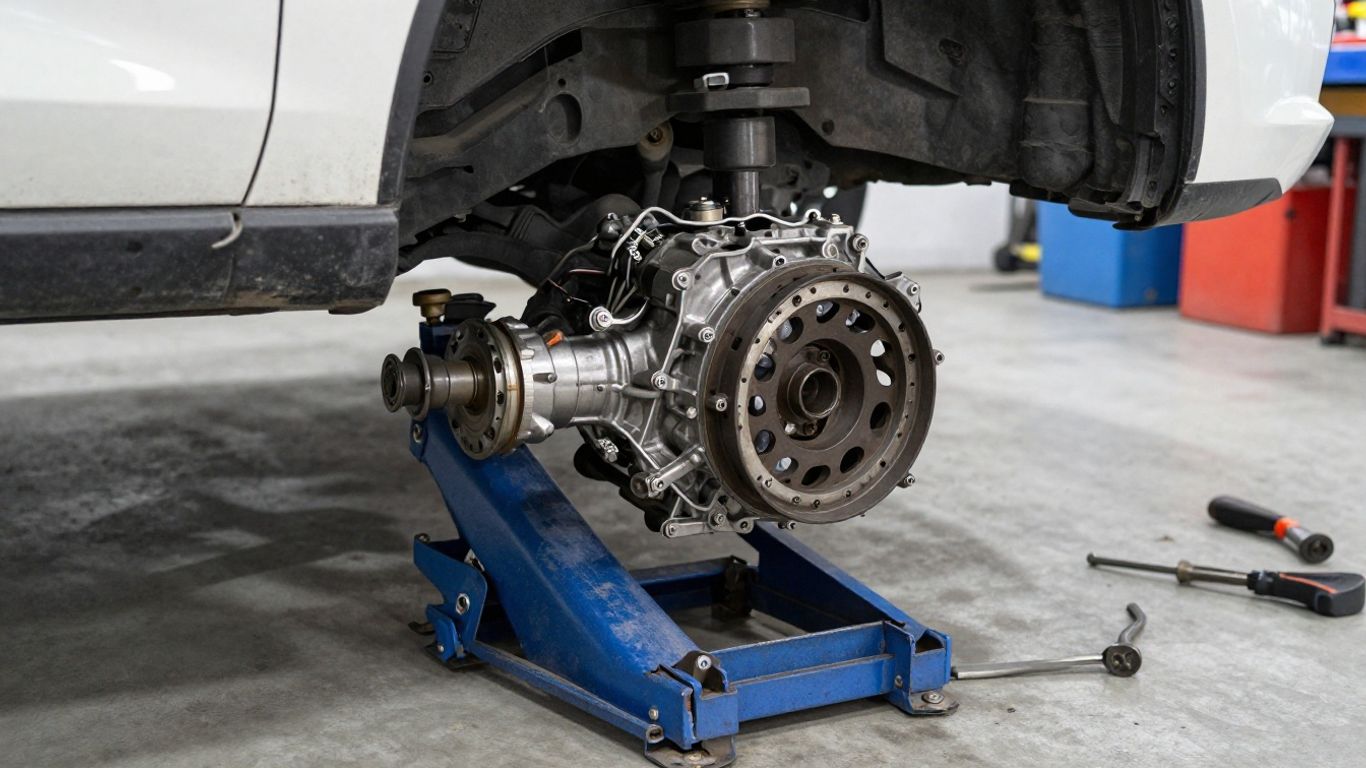
Factors that influence the total repair price
The largest cost differences often come from whether the gearbox must be removed and opened. A clutch replacement may require substantial labour even when the parts are straightforward, while a fluid leak or linkage adjustment may be comparatively limited.
Other factors include four-wheel-drive packaging, dual-mass flywheels, hydraulic systems, seized fasteners, damaged mounts, machining requirements, and the availability of compatible components. The vehicle’s age and value should be considered alongside the technical repair decision.
Comparing component replacement with a full rebuild
Replacing one failed component can make sense when the rest of the gearbox is clean, within specification, and has a predictable service life. A full rebuild may be preferable when several bearings or synchronisers are worn, contamination has spread through the unit, or the gearbox is already apart for a major repair.
| Repair approach | Often suitable when | Main question to ask |
|---|---|---|
| External adjustment or seal | The fault is outside the gearbox | Has internal damage been ruled out? |
| Clutch replacement | Engagement or slip points to clutch wear | Was the flywheel inspected? |
| Internal component repair | A specific gear, bearing, or synchroniser has failed | Which parts will be measured or replaced? |
| Rebuilt or replacement unit | Damage is extensive or downtime matters | What testing and warranty are included? |
The right choice depends on evidence, not simply on the lowest quoted number. Comparing the warranty, expected service life, and included work can make two estimates easier to assess.
Typical labor requirements and parts availability
A clutch or gearbox job may keep a vehicle off the road for part of a day or longer, depending on access and parts. Internal rebuilds usually take more time because the unit must be removed, inspected, measured, rebuilt, and tested. Delays are more likely when a specialist bearing, synchroniser, seal, or compatible replacement is difficult to source.
Before work begins, ask whether parts are in stock, whether a deposit is required, and what happens if inspection reveals additional damage. This avoids treating an early estimate as a guaranteed final price.
How to evaluate a repair estimate
A useful estimate identifies the reported symptom, confirmed fault, proposed repair, parts condition, labour, fluids, machining, warranty, and expected timeline. It should also state whether additional work requires your approval. Vague descriptions such as “transmission work” make later comparison difficult.
Check that the estimate matches the diagnosis and that optional work is clearly separated from necessary work. If the repair uses a used or aftermarket component, ask how compatibility and condition will be checked.
Choosing a manual transmission repair shop
A good repair shop should be able to explain the diagnosis without pressure and show how the proposed work relates to the symptom. Location matters, but clear communication, suitable equipment, and experience with the vehicle are just as important. The best choice is usually the workshop that can provide a defensible repair plan rather than the shortest promise.
Experience with your vehicle’s make and model
Different vehicles use different clutch systems, gearbox designs, fluids, selectors, and differential arrangements. Ask whether the technicians regularly work on your make, model, engine, and drivetrain configuration. Experience with a similar vehicle can reduce diagnostic time and help identify known wear points.
For European and prestige vehicles, specialist knowledge may be particularly useful. For older, Australian, Japanese, Korean, or four-wheel-drive vehicles, parts sourcing and familiarity with the original design may matter just as much.
Equipment, warranties, and technician qualifications
A workshop should have suitable lifting, measuring, diagnostic, and road-test equipment for the work it performs. Ask who will diagnose and rebuild the unit, whether work is carried out in-house, and what warranty covers parts and labour.
Qualifications are useful, but they should be paired with a clear explanation of the actual findings. A warranty is also more meaningful when its duration, exclusions, and claim process are written down.
Questions to ask before authorizing repairs
Before approving a repair, ask what failed, how it was confirmed, and whether other components were inspected. You can also ask what happens if additional damage is found after removal, whether old parts can be returned, and how the vehicle will be tested afterward.
A short list of practical questions can prevent misunderstandings:
- Is the quoted price fixed or an initial estimate?
- Are parts new, used, rebuilt, or aftermarket?
- Does the warranty cover both parts and labour?
- What is the expected completion date?
These questions are not confrontational; they establish the scope of the job. A professional response should make the decision easier, not more confusing.
How reviews and inspections can guide your decision
Reviews can reveal patterns in communication, punctuality, and how a shop handles unexpected repairs, but they should not replace a written diagnosis. Look for specific accounts that describe similar work rather than relying only on star ratings.
An inspection and estimate from a qualified workshop give you information that general reviews cannot. If the proposed repair is extensive, a second opinion may be worthwhile, provided the vehicle can be moved safely.
Preventing future manual transmission problems
Manual transmissions can last a long time when the clutch is used smoothly, fluid requirements are followed, and small leaks are addressed early. Prevention is less about avoiding normal use and more about reducing unnecessary heat, shock, and contamination. Maintenance records also make future diagnosis easier.
Shifting habits that reduce clutch and gearbox wear
Resting a hand on the gear lever can load selector components, while resting a foot on the clutch can cause partial engagement and heat. Holding the vehicle on a hill with the clutch also accelerates wear. Select the appropriate gear, release the clutch fully, and avoid forcing a resistant shift.
Smooth take-offs and sensible engine braking reduce shock through the drivetrain. If a gear will not engage, pause, return to neutral, and investigate rather than applying excessive force.
Choosing the correct transmission fluid
Manual gearboxes do not all use the same fluid. The owner’s manual or manufacturer specification should guide the choice because viscosity, additives, and synchroniser compatibility can affect shifting and component life.
Do not assume that a fluid suitable for an automatic transmission is appropriate for a manual gearbox. Check the level and condition at the recommended interval, and repair the source of any leak rather than repeatedly topping it up.
Maintenance checks for high-mileage vehicles
Older vehicles benefit from periodic checks of fluid levels, seals, mounts, linkage bushes, clutch hydraulics, driveshafts, and differential oil where specified. A technician can also look for early signs of bearing noise or deteriorating rubber components during routine servicing.
Keeping receipts and noting when symptoms first appeared creates a useful service history. If replacement parts are needed, comparing quality used, genuine, and aftermarket options can help balance availability, fit, and cost.
Warning signs that should prompt an inspection
Arrange an inspection when shifting becomes stiff, a gear starts grinding, the clutch engagement point changes, or a new noise appears. Fluid spots, burning smells, vibration, and a gear that jumps out are also reasons to act before the vehicle becomes undriveable.
A small concern recorded early gives the technician more information and may allow a targeted repair. Waiting until the transmission loses drive can limit the available choices and increase downtime.
Conclusion
Manual transmission repair Melbourne drivers can rely on begins with careful observation, a proper diagnosis, and a repair plan that matches the evidence. Whether the cause is clutch wear, a linkage issue, internal gearbox damage, or a differential fault, comparing parts, labour, warranty, and expected service life helps you make a sound decision and keep the vehicle dependable.
Frequently Asked Questions
What are the first signs of a manual transmission problem?
Common early signs include grinding, difficult gear selection, clutch slip, unusual whining, fluid leaks, vibration, and a gear that jumps out. Recording when each symptom occurs can help with diagnosis.
Can a clutch problem feel like a gearbox problem?
Yes. A clutch that does not fully disengage can make first or reverse difficult to select and may cause grinding. A road test and inspection can distinguish clutch-release problems from internal gearbox faults.
Is a noisy manual gearbox always beyond repair?
No. Noise may come from a bearing, mount, low fluid level, differential, or another driveline component. The source and severity need to be confirmed before deciding between repair, rebuild, or replacement.
How long does manual transmission repair usually take?
The time varies from a short external repair to several days for removal, parts sourcing, internal inspection, and rebuilding. The workshop should provide an expected timeline and explain possible delays.
Should a manual transmission be rebuilt or replaced?
That depends on the extent of damage, the condition of the casing and gears, the availability of a compatible unit, warranty coverage, and total cost. Comparing both options after inspection is usually the most practical approach.
How often should manual transmission fluid be changed?
The correct interval depends on the vehicle, fluid specification, driving conditions, and manufacturer guidance. Check the service schedule and inspect for leaks or contamination between scheduled services.
Is it safe to drive with a grinding gear?
It may be unsafe or may worsen the damage, particularly if the gear disengages, the vehicle loses drive, or fluid is leaking. Avoid unnecessary driving and arrange an inspection as soon as possible.