

Key Takeaways
Choosing a transmission parts supplier Brisbane businesses can rely on starts with accurate vehicle information and continues through quality checks, delivery planning, and after-sales support.
- Confirm the transmission type, vehicle application, part number, and specifications before requesting a quote.
- Compare genuine, aftermarket, and reconditioned parts by compatibility, condition, warranty, and expected service life.
- Assess supplier range, stock visibility, sourcing ability, technical knowledge, and customer feedback.
- Compare the complete cost, including freight, lead time, fitting requirements, returns, and warranty coverage.
- Build a supplier relationship that supports repeat orders, maintenance planning, and dependable service.
Understand your transmission parts requirements
A transmission part cannot be judged in isolation from the vehicle or equipment it serves. The right supplier will need more than a general description such as “automatic gearbox” or “clutch component”. Vehicle details, operating conditions, transmission codes, and the intended repair all help narrow the search. A careful brief at the start reduces delays and costly ordering mistakes.
Identify the transmission type and vehicle application
Start by recording whether the vehicle uses a manual, automatic, automated manual, or another transmission arrangement. Note the make, model, year, engine, drivetrain, and, where relevant, the vehicle identification number. Commercial vehicles may also need details about body use, payload, axle configuration, or the equipment they operate.
The same model name can cover several transmission variants, particularly across different production years and markets. Include photographs of the transmission, identification plates, connectors, and surrounding components when asking for assistance. These details give a supplier a more reliable basis for checking the application.
Confirm the exact part number and specifications
Part numbers are useful, but they should be checked rather than copied blindly from an old component. A superseded number, regional variation, or previous repair can create a mismatch. Confirm dimensions, spline counts, mounting points, ratios, electrical connections, fluid requirements, and any other specification relevant to the part being replaced.
When a component has no readable number, clear photographs and measurements can still help begin the identification process. Queensland Auto Parts describes assistance with finding an exact part, including through a picture upload via its quote form. That kind of information is most useful when accompanied by the complete vehicle details and a description of the fault.
A simple comparison can keep the request organised:
| Information to provide | Why it matters | Useful evidence |
|---|---|---|
| Vehicle make, model, year, and engine | Narrows the possible applications | Registration or vehicle records |
| Transmission type and code | Separates similar variants | Identification plate or service record |
| Part number and measurements | Supports a direct specification check | Label, ruler, or component photograph |
| Intended repair | Clarifies whether one part or a complete unit is needed | Technician diagnosis or inspection |
After gathering these details, ask the supplier to confirm the application in writing. Exact identification saves time because it gives both sides a clear reference before money and freight are committed.
Distinguish between replacement, repair, and rebuild parts
A replacement part may be a single new or used component, while a repair part is selected to address a specific failed item. A rebuild can involve several internal components, seals, bearings, friction materials, or other parts chosen after inspection. These are different purchasing decisions, even when they relate to the same transmission.
Ask what is included in the quoted item. A transmission assembly may not include sensors, torque converters, transfer cases, control modules, brackets, or ancillary hardware. Conversely, buying individual parts for a rebuild without a confirmed diagnosis can leave gaps in the kit or create compatibility problems.
Account for manual, automatic, and heavy-duty transmission needs
Manual systems often involve clutch, gear, synchroniser, bearing, and selector components, while automatic systems can involve valve bodies, solenoids, pumps, torque converters, sensors, and internal geartrain parts. Heavy-duty applications add further concerns around duty cycle, load, cooling, PTO arrangements, and the environment in which the vehicle operates.
Describe how the vehicle is used rather than relying only on its badge. A delivery vehicle, four-wheel-drive, agricultural machine, and passenger car may require very different sourcing and specification checks. The supplier should understand the application before recommending a component or assembly.
Evaluate transmission parts quality and compatibility
Price is only one part of transmission-parts quality. Condition, provenance, specification, fit, warranty, and the consequences of failure all belong in the comparison. A part that appears inexpensive can become expensive if it causes repeat labour, downtime, additional freight, or damage to connected components.
Compare genuine, aftermarket, and reconditioned parts
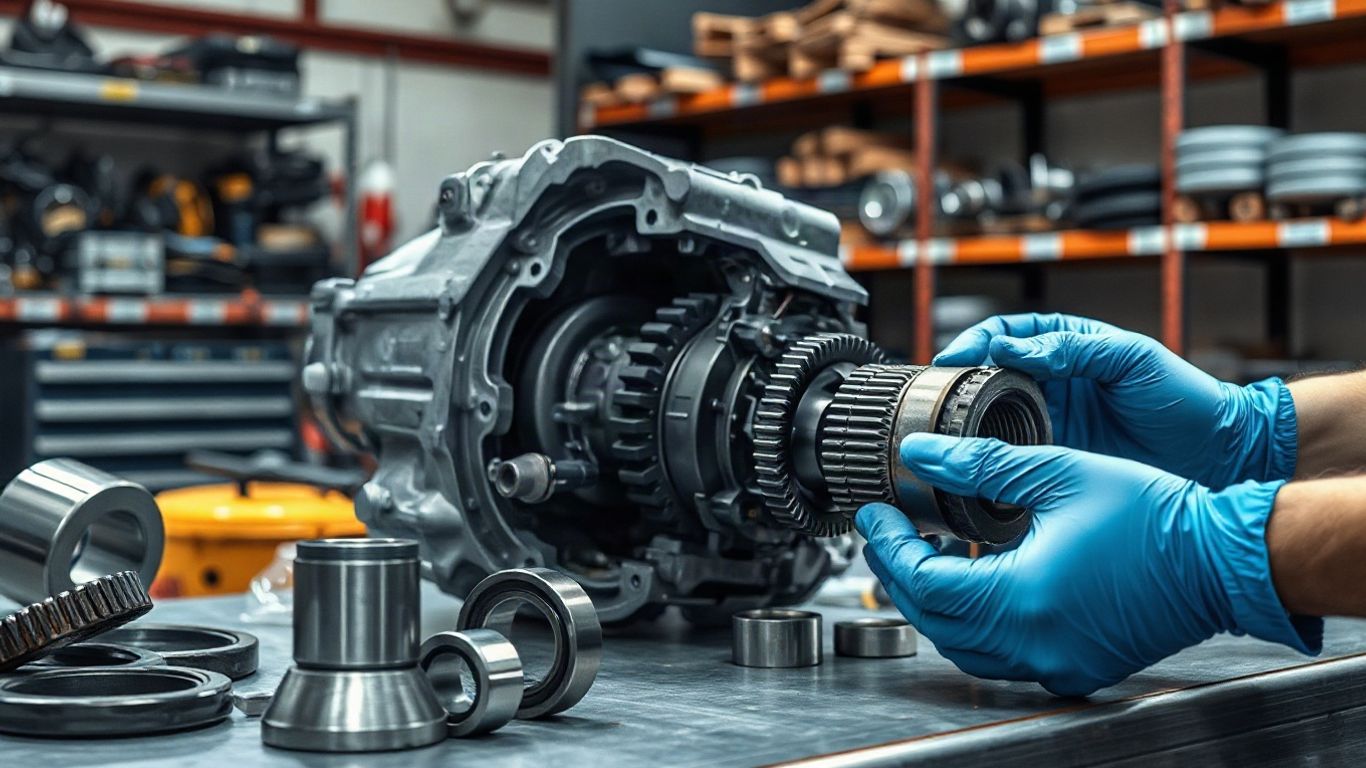
Genuine parts are made for the vehicle manufacturer’s application, while aftermarket parts are produced by other manufacturers and may cover the same specification. Reconditioned or recycled components can offer another route, but their condition and included work need to be stated clearly. None of these categories should be assessed by label alone.
Ask whether the item is new, used, remanufactured, reconditioned, or inspected, and request details of what has been tested or replaced. For a used assembly, find out whether the mileage or operating history is known. For an aftermarket component, compare the stated specification and warranty with the demands of the vehicle.
Queensland Auto Parts describes its range as including quality used, genuine, and aftermarket parts, as well as manual and automatic transmission components for several vehicle categories. Those documented options can be considered alongside the application details, condition information, and warranty terms supplied for the particular part.
Check materials, manufacturing standards, and warranties
A supplier should be able to explain what is known about the part’s construction and condition without making claims that cannot be supported. Ask about seals, bearings, friction materials, machined surfaces, fasteners, electrical components, and inspection procedures where they affect the repair. For a used component, ask what visual or functional checks have been completed.
Warranty terms deserve the same attention as the component itself. Check the duration, exclusions, installation conditions, evidence required for a claim, and whether labour or freight is covered. A written warranty does not remove the need to verify fit, but it gives the purchase a clearer risk boundary.
Verify compatibility before placing an order
Compatibility should be confirmed against the vehicle application and the component’s actual specification. Do not assume that a part fits because it came from a vehicle with the same model badge. Mid-year changes, engine variants, drivetrain differences, and market-specific equipment can all matter.
Send the supplier the part number, vehicle details, photographs, and any measurements that may distinguish one version from another. Ask for the confirmation to appear on the quote or order record. Keeping that trail makes it easier to resolve uncertainty before dispatch.
Consider the risks of low-cost or incorrect parts
The most obvious risk is that the component will not fit, but an incorrect part can also create poor shift quality, fluid leaks, warning lights, premature wear, or repeat removal and installation work. On a commercial vehicle, the operational cost of downtime may outweigh the original price difference.
Treat an unusually low quote as a prompt for questions, not as automatic proof of value. Confirm condition, inclusions, freight, warranty, and return requirements before comparing it with another quote. A clear comparison often reveals why two apparently similar offers are priced differently.
Compare Brisbane transmission parts suppliers
A useful comparison looks beyond a supplier’s product list. Brisbane businesses may need quick answers, regional freight, special-order sourcing, or support for several vehicle types over time. The best fit depends on the quality of the identification process as much as the number of parts shown online.
Review product range and specialist expertise
Begin with the categories that matter to your work: passenger vehicles, four-wheel-drives, light commercial vehicles, trucks, buses, agricultural equipment, or industrial machinery. A supplier familiar with the relevant application is more likely to ask useful questions and identify missing information early.
Review whether the business can discuss complete transmissions as well as individual components, where that matches your requirement. The aim is not to select the largest catalogue automatically. It is to find a source that understands the part’s role and can describe the available condition and specification accurately.
Assess stock availability and sourcing capabilities
Stock status should be specific. “Available” might mean physically held, available from another branch, or subject to confirmation from a third party. Ask whether the quoted item is ready to dispatch, how long an internal transfer may take, and whether an alternative is genuinely compatible.
Queensland Auto Parts states that it provides quick delivery across Brisbane and Queensland and maintains stock of late-model spares through its auto-recycling operation. When considering that option, still confirm the particular part’s current availability, condition, dispatch timing, and freight cost rather than relying on a general stock statement.
Check supplier reputation and customer feedback
Customer feedback is most useful when it relates to the service you actually need. Look for comments about correct identification, communication, packaging, delivery accuracy, returns, and how issues were handled. A collection of vague five-star ratings tells you less than detailed feedback about parts sourcing and order resolution.
You can also ask workshops or fleet contacts which suppliers communicate clearly when a part is unavailable. Reputation is built through ordinary transactions: accurate quotes, realistic timeframes, careful dispatch, and a willingness to correct mistakes.
Look for support from knowledgeable staff
Good support does not mean a supplier will diagnose a complex transmission fault without inspection. It means staff can clarify what information is needed, distinguish between possible components, explain what is included, and identify when professional assessment is sensible.
Pay attention to the questions asked during the first conversation. A staff member who checks transmission codes, vehicle details, photographs, and intended use is helping reduce uncertainty. That process is often more valuable than a quick but unsupported promise that a part will fit.
Consider pricing, delivery, and local availability
A quote should make the full purchase easy to understand. The part price is only one line; freight, taxes, core requirements, packaging, fitting, and possible return costs can change the final figure. Local availability may shorten delays, but it should not override compatibility or warranty checks.
Request detailed quotes for parts and freight
Ask for the part description, condition, part number, inclusions, price, freight, estimated dispatch date, and warranty in one written quote. If the item is used or reconditioned, request a brief condition description and any known limitations. This makes side-by-side comparisons fairer.
A quote should also state whether the price is subject to inspection, stock confirmation, or exchange of an old unit. Clarify whether special packaging, dangerous-goods handling, or delivery to a business address changes the charge. Small omissions can become awkward surprises after an order is placed.
Compare lead times for in-stock and special-order items
Ask when the part can leave the supplier, not only when it might arrive. In-stock items and special orders follow different timelines, and a supplier may need to locate, inspect, or transfer a component before dispatch. If the vehicle is needed for work, communicate the latest acceptable arrival date.
Keep a record of the promised timeline and any conditions attached to it. If a substitute is proposed, pause and repeat the compatibility check rather than accepting it simply to preserve the schedule.
Evaluate pickup and delivery options across Brisbane
Local pickup can be useful when a vehicle is already off the road or when the part is too large for ordinary freight. Delivery may be more practical for workshops, fleets, and customers outside the immediate area. Compare opening hours, loading requirements, delivery addresses, and the process for inspecting the package on arrival.
Queensland Auto Parts identifies Brisbane and Queensland-wide delivery as part of its service information. For any order, confirm the destination, freight method, dispatch window, and whether someone must be available to receive the component.
Factor warranty coverage into the total cost
A longer or clearer warranty may justify a higher initial price, particularly where removal and refitting are labour-intensive. Compare what each warranty covers, how a claim is started, and whether installation by a qualified professional is required. Also ask who pays for return freight if the part is faulty or incorrectly supplied.
The practical value of warranty coverage depends on the supplier’s process. A written answer about exclusions and claim evidence is more useful than a general assurance that the item is covered. Include those terms in your purchase records.
Ask the right questions before buying
A short, structured conversation can prevent most avoidable misunderstandings. It should cover the part itself, the order process, delivery, and what happens if the component is not suitable. This is especially helpful when a transmission is already removed and the cost of delay is rising.
Confirm return, exchange, and warranty policies
Ask whether returns are accepted for change of mind, incorrect identification, damage in transit, or a confirmed fault. The rules may differ for special-order, electrical, used, and installed parts. Find out whether seals, packaging, labels, and core units must be retained.
Before paying, request the policy in writing and check the time limit for notifying a problem. A clear return process protects both sides and helps the workshop plan its inspection after delivery.
Ask whether technical assistance is available
Technical assistance may range from confirming an application to explaining what information is missing from a quote. Ask who handles technical questions, whether photographs can be reviewed, and when a specialist or professional inspection is recommended. Do not treat general guidance as a substitute for a complete diagnosis.
Useful questions include:
- Can you confirm the part against the vehicle identification and transmission code?
- What is included with the quoted component or assembly?
- Has the part been inspected, tested, reconditioned, or removed from a running vehicle?
- What details or photographs would help confirm compatibility?
These questions create a practical record of the supplier’s response. They also expose gaps early, before the part is paid for and sent across Brisbane.
Check packaging and shipping procedures
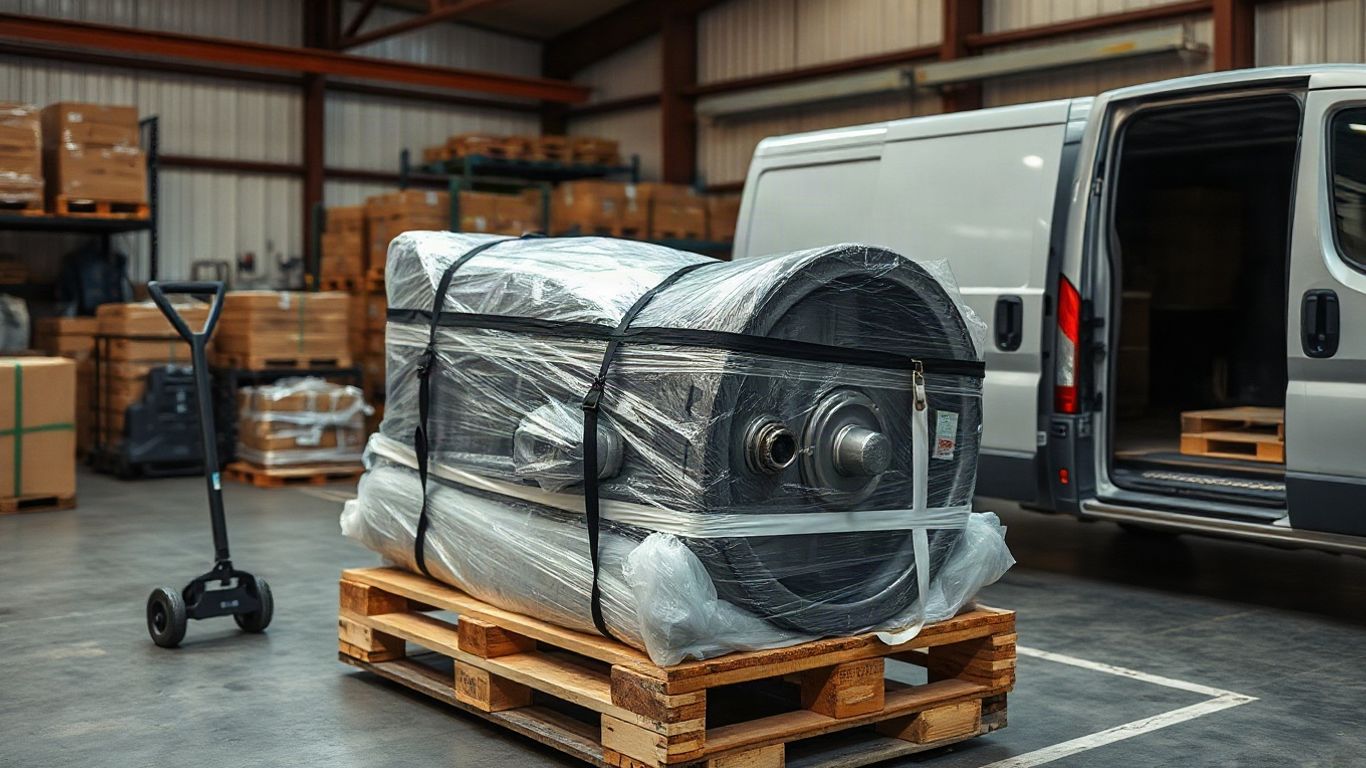
Transmission components can be heavy, awkward, and vulnerable to impact or fluid leakage. Ask how the item will be secured, whether openings are capped, and how lifting or unloading should be handled. For smaller precision parts, packaging should protect machined surfaces, connectors, and seals.
Inspect the package before signing where possible, and photograph visible damage. If the delivery arrives compromised, notify the supplier promptly and keep the packaging until the next step is agreed.
Clarify installation and professional fitting recommendations
Ask whether the part has installation conditions, calibration requirements, fluid specifications, or related components that should be replaced at the same time. Some repairs also require scanning, adaptation, adjustment, or a post-installation road test. These requirements can affect the real cost and schedule.
If the supplier recommends professional fitting, ask whether that advice relates to warranty conditions, technical complexity, or both. A qualified technician can also check connected systems and confirm that the original fault has been addressed rather than simply replacing the first failed component.
Choose a supplier for ongoing transmission support
A one-off purchase can become the beginning of a useful working relationship. Businesses that regularly maintain vehicles need consistent identification, realistic availability information, and records that make repeat orders easier. The right supplier should be judged by what happens after the sale as well as by the initial quote.
Build a reliable parts-sourcing relationship
Share the information a supplier needs in a consistent format, including vehicle identifiers, transmission codes, photographs, part numbers, and the job deadline. Save quotes and confirmed applications so the next enquiry does not start from scratch. Clear communication helps both the customer and supplier work faster.
Queensland Auto Parts positions itself as a supplier of used, genuine, and aftermarket car parts across Brisbane and nationwide. For a business considering an ongoing relationship, the useful test is whether each order is handled with clear application checks, honest stock information, and practical follow-up.
Plan maintenance and commonly replaced components
Review the parts that recur across your fleet or customer work. Clutches, seals, bearings, filters, sensors, solenoids, mounts, and fluid-related items may have different replacement patterns depending on the application. Keeping a basic record can help you forecast demand without overstocking slow-moving components.
Maintenance planning should still allow for diagnosis. A familiar part number is not proof that every vehicle needs the same component, particularly when model years or transmissions vary.
Review account options for workshops and trade customers
Workshops and trade customers may benefit from consolidated invoicing, repeat-order records, agreed delivery procedures, or a consistent point of contact. Ask what account arrangements are available and whether they change pricing, freight, returns, or warranty administration.
Do not assume that an account automatically guarantees stock or priority. Confirm the practical service terms, including order cut-off times, contact channels, payment requirements, and escalation procedures when a part is urgent.
Measure service quality after the purchase
After delivery, record whether the item matched the quote, arrived when expected, was packaged properly, and fitted as confirmed. If something went wrong, note how quickly the supplier responded and whether the remedy was clear. These observations are more useful than judging a supplier on price alone.
Over several orders, a pattern will emerge. A dependable transmission parts supplier Brisbane businesses can rely on should make accurate sourcing easier, communicate limitations early, and handle problems in a way that protects the repair schedule.
Conclusion
Selecting a transmission parts supplier Brisbane businesses can rely on is a process of reducing uncertainty: identify the application, verify the part, compare condition and warranty, calculate the full cost, and judge the supplier’s communication before and after delivery. Those habits make it easier to choose suitable parts and build a dependable source for future transmission work.
Frequently Asked Questions
What information should I provide when requesting transmission parts?
Provide the vehicle make, model, year, engine, transmission type or code, vehicle identification details, part number, photographs, measurements, and a description of the repair or fault.
Are used transmission parts worth considering?
Used parts can be suitable when their application, condition, history, inclusions, and warranty are clearly explained. Compare the complete risk and cost with new, aftermarket, or reconditioned alternatives.
How can I confirm that a transmission part will fit?
Ask the supplier to check the part against the vehicle identification, transmission code, part number, specifications, and photographs. Obtain written confirmation before ordering where possible.
What should a transmission parts quote include?
A useful quote includes the exact part description, condition, part number, inclusions, price, freight, estimated dispatch timing, warranty, return conditions, and any exchange or core requirements.
Should I choose local pickup or delivery in Brisbane?
Choose the option that best fits the part’s size, urgency, handling requirements, and your ability to receive it. Confirm pickup arrangements or delivery timing before placing the order.
Why does warranty coverage matter for transmission parts?
Transmission work can involve substantial labour and downtime. Clear warranty terms help define the remedy if a part is faulty, incorrectly supplied, or unsuitable, although compatibility and installation requirements still need to be checked.
When should a professional install transmission parts?
Professional installation is advisable when the repair involves heavy assemblies, internal components, electronic calibration, specialist tools, fluid procedures, or warranty conditions requiring qualified fitting.