

Key Takeaways
A well-timed automatic gearbox service can identify wear before a minor issue becomes a major repair. The right diagnosis, suitable parts, and sensible driving habits all matter.
- Regular servicing helps protect shifting quality and gearbox life.
- Slipping, shuddering, leaks, and warning lights deserve attention.
- A specialist inspection looks beyond fluid level and appearance.
- Repair, reconditioning, and replacement each suit different faults.
- A detailed estimate makes costs and inclusions easier to compare.
Understanding automatic gearbox services in Sydney
Automatic gearbox services Sydney can range from a scheduled fluid and filter service to a detailed investigation of shifting problems. The appropriate level of work depends on the vehicle, its service history, and the symptoms it is showing. Sydney traffic, heat, hills, and frequent stop-start driving can all place extra demands on transmission components. A careful workshop begins by understanding how the vehicle is being used rather than treating every gearbox the same way.
What an automatic gearbox service includes
A routine service usually involves checking the transmission fluid, inspecting for leaks, and assessing the filter or pan where applicable. The technician may also examine the condition of seals, mounts, electrical connections, and accessible cooling lines. If the vehicle has a serviceable filter, replacing it can help remove collected debris. The final service scope should be explained clearly, especially when a basic maintenance visit reveals signs of internal wear.
Common automatic transmission components inspected
An automatic transmission relies on hydraulic pressure, electronic controls, and many closely matched mechanical parts. Depending on the design, an inspection may consider the torque converter, valve body, solenoids, sensors, clutch packs, bands, pumps, and planetary gears. Not every component can be judged without removing the unit, so a responsible assessment separates visible evidence from assumptions. That distinction helps prevent unnecessary parts replacement.
How Sydney driving conditions affect gearbox performance
Short urban trips often involve repeated starts, stops, and gear changes before the vehicle reaches its normal operating temperature. Congestion can increase heat load, while steep streets, towing, and carrying heavy loads may add further strain. Coastal air and road debris can also make external inspections worthwhile, particularly around cooler lines and seals. These conditions do not automatically mean a gearbox will fail, but they make following the manufacturer’s maintenance advice more valuable.
When specialist servicing is better than a basic fluid change
A fluid change may be suitable when the vehicle is shifting normally and the service history is clear. Specialist attention is more appropriate when there is a delay selecting Drive or Reverse, a flare between gears, repeated shuddering, a leak, or a warning light. South West Automatics describes auto transmission service and rebuilds using current equipment and methods, which reflects the broader assessment often needed when symptoms go beyond routine maintenance. The key is matching the inspection to the evidence rather than choosing the cheapest-looking procedure.
Recognising signs of automatic gearbox problems
Transmission symptoms can arrive gradually, making them easy to dismiss as normal ageing. A small change in shift timing or noise may be the first clue that fluid condition, electronics, or internal parts need checking. Recording when the symptom appears—cold, hot, under acceleration, or while reversing—can give a technician useful direction. Early attention does not guarantee a small bill, but it can prevent avoidable secondary damage.
Delayed engagement and slipping gears
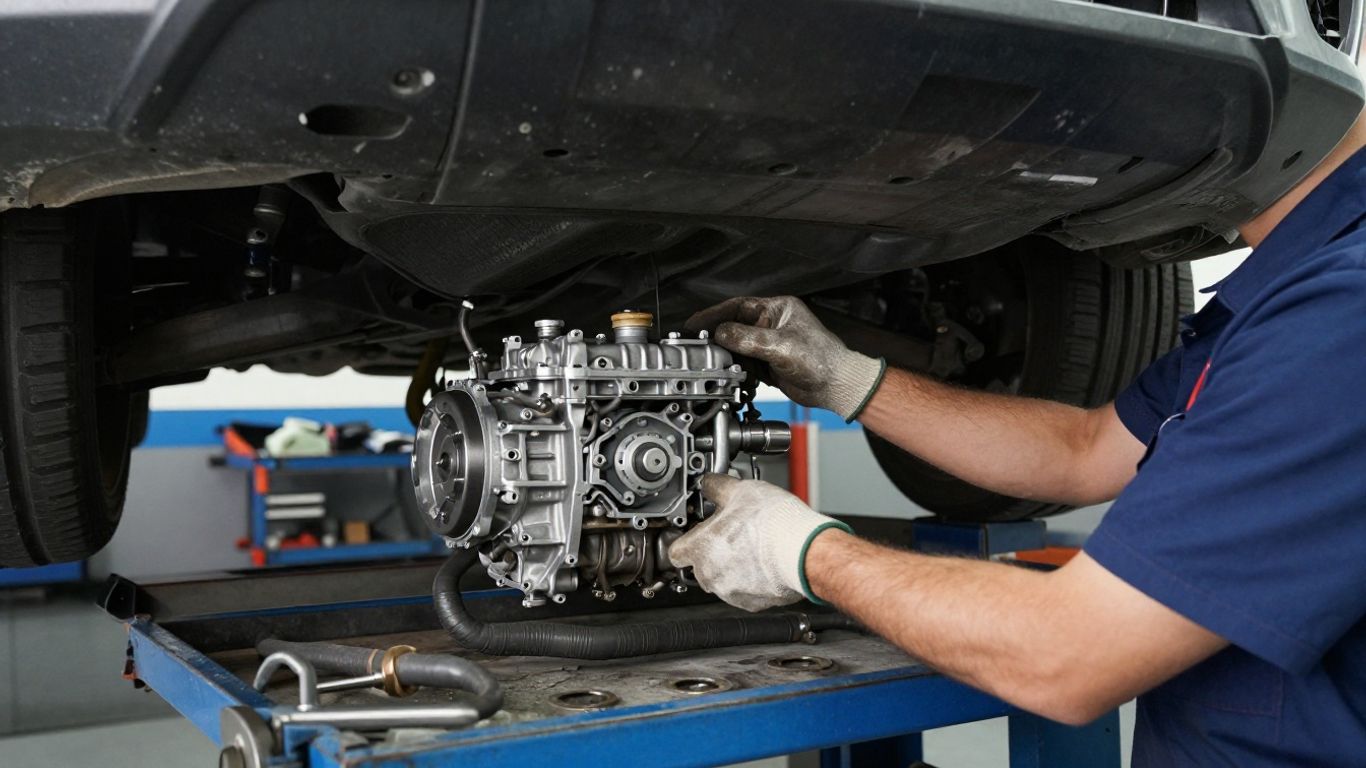
Delayed engagement occurs when the vehicle takes too long to move after Drive or Reverse is selected. Slipping may feel like the engine speed rises without a matching increase in road speed, or like a gear change loses its smooth connection. Low fluid, pressure problems, worn clutch material, and electronic faults can produce similar sensations. Continued driving while the transmission is slipping may increase heat and wear, so the symptom should be assessed promptly.
Shuddering, jerking, or unusual noises
A shudder during light acceleration may be linked to the converter, fluid condition, or control strategy, while a harsh shift can involve pressure or sensor issues. Whining, humming, clunking, or grinding noises should not be judged by sound alone because drivetrain mounts and other nearby components can create misleading clues. A road test helps reproduce the condition safely. Gearbox Solutions focuses on accurate diagnosis before unnecessary component replacement, a useful principle for any transmission assessment.
Transmission fluid leaks and burning smells
Fresh fluid beneath the vehicle, dampness around a seal, or residue near cooler lines should be investigated rather than wiped away. Fluid colour and smell can provide clues, although they are not enough to diagnose internal damage. A burnt odour may indicate overheated fluid or friction material, especially after heavy traffic or towing. Check the level only according to the vehicle maker’s procedure, since some transmissions require a specific temperature and inspection method.
Dashboard warning lights and reduced performance
A transmission warning light, check-engine light, limp mode, or noticeably reduced acceleration can indicate that the control system has detected a fault. The vehicle may still move, but continuing to drive normally can turn an intermittent problem into a more serious one. Note any accompanying shift changes and arrange a diagnostic check. A stored code is a starting point, not a complete diagnosis, because the underlying mechanical or hydraulic cause still needs confirmation.
Choosing the right automatic gearbox specialist
The workshop you choose affects the quality of the diagnosis as much as the repair itself. Transmission work requires suitable scan equipment, pressure-testing knowledge, clean procedures, and experience with the relevant gearbox design. A good specialist will explain what has been tested and what remains uncertain. They should also make clear whether the recommendation is maintenance, repair, reconditioning, or replacement.
Checking qualifications, experience, and equipment
Ask whether the technicians regularly work on the vehicle’s transmission type and whether the workshop can perform electronic diagnosis as well as mechanical inspection. Experience matters, but it should be supported by a clear process: road testing, fault-code analysis, fluid checks, and documented findings. Memberships or credentials can offer useful context, though they do not replace an explanation of the proposed work. Central Automatic Transmission Services is described as handling automatic, manual, DSG, and CVT repairs and rebuilds, illustrating why transmission-type experience is worth checking.
Comparing dealership, general mechanic, and transmission specialist services
A dealership may be well placed for manufacturer-specific procedures and software information. A general mechanic can often handle routine maintenance and identify when specialist input is needed. A transmission specialist may be better suited to complex shifting faults, internal repairs, rebuilds, and detailed gearbox diagnosis. The best choice depends on the fault, warranty situation, vehicle age, and the level of evidence already available.
Reviewing quotes, warranties, and service inclusions
A useful quote should identify the inspection or diagnostic fee, labour, fluid, filters, seals, parts, tax, and any subcontracted work. It should also state whether the price is fixed or subject to approval after disassembly. Warranty terms deserve equal attention: ask what is covered, for how long, and whether servicing conditions apply. A lower initial figure can become less attractive if essential work is excluded.
Questions to ask before booking an appointment
A short conversation before booking can reveal whether the workshop is prepared to investigate rather than guess. Consider asking:
- What tests will be performed before recommending repairs?
- Will the inspection include a road test and diagnostic scan?
- Which parts and fluids are included in the estimate?
- What warranty applies to the proposed work?
The answers should be specific enough for you to understand the next step. If the recommendation is based only on a symptom with no supporting checks, seek a clearer explanation before authorising major work.
What happens during an automatic gearbox inspection
An inspection is a process of narrowing possibilities, not simply plugging in a scan tool. The technician considers the driver’s description, vehicle history, physical evidence, electronic data, and road-test behaviour together. This staged approach can distinguish a fluid or control issue from damage that requires removal of the transmission. It also gives the owner a more realistic basis for deciding what to do next.
Diagnostic scanning and road testing
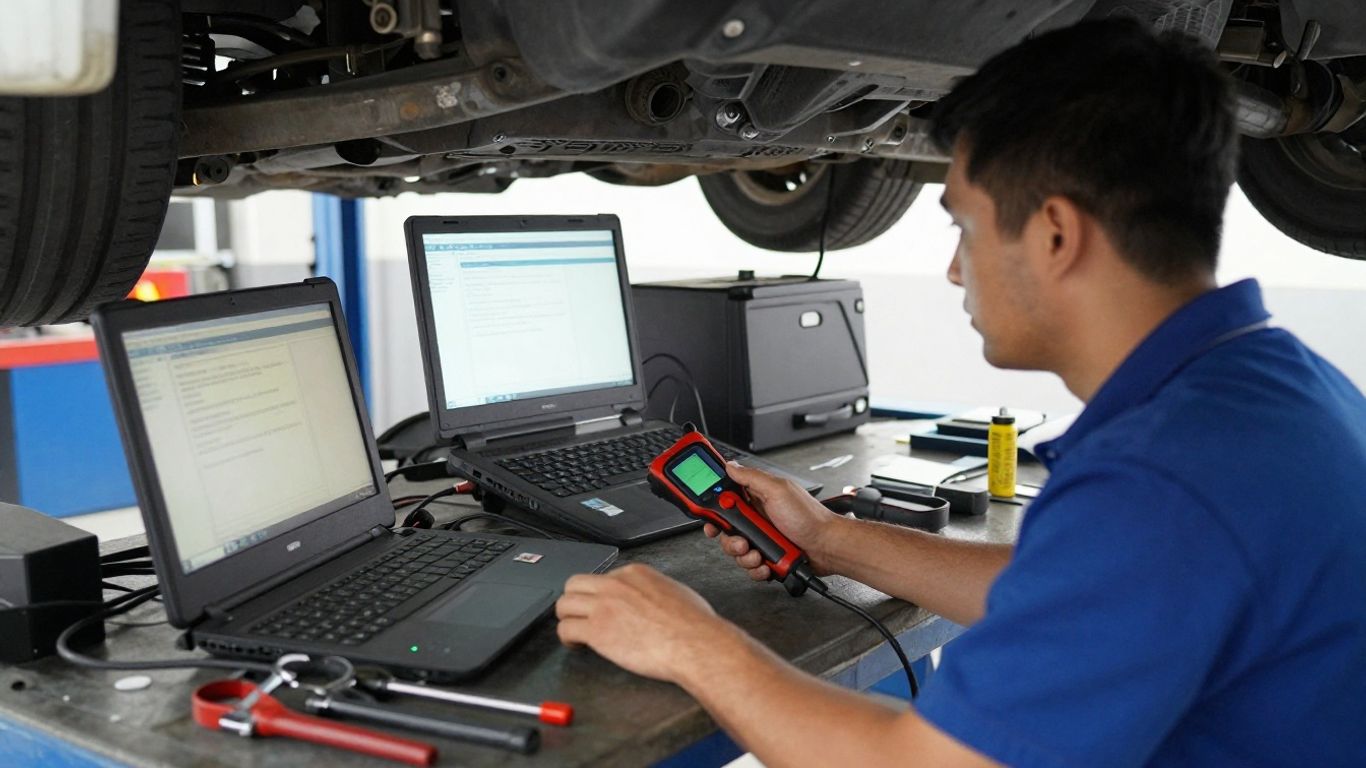
The technician may scan the vehicle for stored or current fault codes, examine live data, and compare the results with the reported symptoms. A road test can assess engagement, shift timing, converter lock-up, noise, and behaviour under different loads. The test should be conducted safely and with attention to temperature, because some faults appear only once the vehicle is warm. The scan supports the diagnosis but does not replace physical checks.
A useful video demonstration can help owners understand why scan results and road behaviour need to be considered together. The practical lesson is simple: a code identifies a system or condition to investigate, while testing determines what actually needs repair.
Fluid, filter, and leak checks
Fluid level, colour, odour, and visible contamination are reviewed according to the transmission maker’s procedure. The technician may inspect the pan, filter, drain plug, cooler lines, axle seals, and housing for leaks. Some units have no conventional dipstick, so guessing the level can cause its own problems. Evidence from the fluid and leak inspection is then compared with the vehicle’s shift behaviour.
Assessing solenoids, sensors, and valve bodies
Solenoids regulate hydraulic functions, sensors report speed or temperature, and the valve body directs fluid through the transmission. Electrical resistance, wiring, live data, pressure readings, and response tests may help identify a control fault. A defective electronic component can sometimes feel similar to worn internal parts. Testing each relevant area helps avoid replacing an expensive assembly without sufficient reason.
Determining whether repair or replacement is practical
The final recommendation should consider the vehicle’s age, condition, value, parts availability, fault severity, and expected warranty. A repair may suit a limited fault, while a rebuild can make sense when several internal components are worn but the unit is otherwise viable. Replacement may be more practical when damage is extensive or a suitable remanufactured unit is available. McGraw Transmissions is presented as offering cost-effective alternatives to full replacement for complex gearboxes, a reminder that replacement should not be assumed before the options are compared.
Automatic gearbox repair and reconditioning options
There is no single repair path for every automatic gearbox problem. Some faults are resolved with correct fluid, a filter, a seal, or a properly tested electronic component. Others require the transmission to be removed, stripped, measured, and rebuilt. The quality of the diagnosis determines whether the chosen remedy addresses the cause rather than merely masking the symptom.
Minor repairs and fluid-related servicing
Minor work may include correcting fluid level, replacing a leaking seal, servicing the filter, repairing a cooler line, or carrying out an approved fluid exchange. The correct procedure matters because fluid specifications and fill methods vary widely. If the fluid is badly contaminated or the unit has suffered overheating, a technician should explain the risks and likely limitations of service-only work. Maintenance can improve operation without reversing established internal wear.
Solenoid, valve body, and electronic repairs
Solenoids, valve bodies, wiring, and sensors can cause delayed, harsh, or inconsistent shifts. Testing should establish whether a component has failed, is receiving the correct signal, or is reacting to a separate hydraulic problem. In some cases, a repair or replacement of the affected control component is more appropriate than a complete rebuild. Calibration or adaptation procedures may also be required after the work.
Transmission rebuilds and reconditioning
A rebuild generally involves removing and disassembling the gearbox, cleaning and inspecting parts, measuring clearances, and replacing worn or damaged components. Reconditioning may include renewed friction materials, seals, bearings, bushings, and other parts according to the unit’s condition. The written scope should clarify what is being replaced and what is being reused. A warranty is meaningful only when its terms and exclusions are understood.
Replacement gearboxes and remanufactured units
A replacement gearbox can reduce vehicle downtime, but compatibility and condition must be confirmed carefully. Ask whether the unit is new, used, rebuilt, or remanufactured, and whether it includes a torque converter or required programming. Installation-related items such as fluid, cooler flushing, mounts, and seals may affect the final result. Comparing the complete installed cost is more useful than comparing the gearbox price alone.
Automatic gearbox servicing costs in Sydney
The cost of automatic gearbox work varies because the phrase “service” can describe very different jobs. A routine maintenance visit is not comparable with a fault diagnosis, valve-body repair, rebuild, or replacement. Vehicle design, access, parts supply, and the amount of testing required all influence the invoice. Requesting a written scope before work begins helps keep the comparison fair.
Factors that influence the total price
The main variables include the transmission model, fluid type and quantity, filter design, labour time, diagnostic complexity, and whether the unit must be removed. A vehicle with an accessible service pan may take less time than one requiring a specialised fill procedure. Severe contamination, damaged wiring, or additional cooling-system work can also change the scope. Local labour rates and parts availability affect Sydney pricing without creating one universal figure.
Comparing preventive maintenance with major repairs
Preventive servicing is usually easier to budget because the work is defined in advance. Major repairs become less predictable once the gearbox is opened and hidden wear is visible. That does not mean maintenance prevents every failure, but it can reveal leaks, degraded fluid, or developing symptoms earlier. The sensible comparison is between the cost of an appropriate service now and the financial and practical consequences of continued operation with a known fault.
Understanding labour, parts, and diagnostic fees
Diagnostic fees pay for time, equipment, road testing, and technical judgement, so they should not automatically be treated as an unnecessary add-on. Labour may cover inspection, removal, disassembly, installation, fluid filling, and post-repair testing. Parts can range from seals and filters to solenoids, clutch packs, converters, or a complete unit. Clarify whether tax, consumables, programming, towing, and follow-up checks are included.
How to evaluate a detailed service estimate
A detailed estimate should connect the observed symptom with the proposed work and identify assumptions that could change after disassembly. Use the following comparison points when reviewing it:
| Estimate item | What to check | Why it matters |
|---|---|---|
| Diagnosis | Tests already completed and remaining | Shows how the recommendation was reached |
| Parts | New, used, rebuilt, or remanufactured | Affects reliability and warranty |
| Labour | Included tasks and hourly basis | Reveals the true scope of work |
| Warranty | Duration, coverage, and conditions | Sets expectations after repair |
After reading the estimate, ask which items are essential and which are recommended while access is available. A clear answer makes it easier to compare quotes on like-for-like terms rather than choosing on headline price alone.
Maintaining an automatic gearbox after servicing
Good maintenance continues after the vehicle leaves the workshop. Keep the invoice and record the fluid type, mileage, parts used, and any advice about future checks. Pay attention to how the gearbox behaves during the first few drives, especially if repairs or adaptations were completed. Small changes are easier to investigate when they are reported with a clear timeline.
Following the recommended fluid service interval
Use the vehicle manufacturer’s interval as the starting point, then discuss adjustments for towing, heavy traffic, commercial use, or repeated short trips. Some transmissions have a scheduled service, while others require condition-based assessment or a specified procedure. Do not assume that a “sealed for life” description means the fluid never needs professional evaluation. The service record should show what was done and when the next check is due.
Using the correct transmission fluid
Automatic transmission fluids are not interchangeable simply because they look similar. The wrong specification can affect friction characteristics, hydraulic pressure, shift quality, and component life. Confirm the exact fluid requirement in the vehicle documentation or with a qualified technician. Keep the product specification on the invoice so future servicing does not rely on memory.
Driving habits that reduce gearbox wear
Smooth inputs and sensible warm-up habits can reduce unnecessary heat and shock loads. Avoid selecting Drive or Reverse while the vehicle is still rolling, and use the correct procedure when towing or manoeuvring on steep ground. Do not ignore a new shudder because it disappears after the vehicle warms up. Consistent, attentive driving is more useful than trying to compensate for a known fault.
Warning signs that require prompt professional attention
Arrange an assessment quickly if engagement becomes delayed, gears slip, the vehicle enters limp mode, fluid appears underneath, or a warning light returns. A new burning smell or harsh shift after servicing also warrants a call to the workshop. Stop driving and seek advice if the vehicle loses drive, makes severe mechanical noise, or leaks heavily. Prompt attention gives the technician a better chance of identifying the problem before further damage occurs.
Conclusion
Automatic gearbox care is most effective when servicing, diagnosis, and repair decisions are treated as one connected process. Watch for early symptoms, choose a workshop that can test the relevant systems, and compare estimates by their complete scope rather than their lowest number. With the correct fluid, sensible maintenance, and timely professional attention, drivers can make more informed decisions about their vehicle’s transmission.
Frequently Asked Questions
How often should an automatic gearbox be serviced?
Follow the vehicle manufacturer’s recommended interval, while considering towing, heavy traffic, short trips, and other demanding use. A technician can help interpret the schedule for the specific transmission.
Can a fluid change fix slipping gears?
Sometimes a fluid-related issue contributes to poor shifting, but slipping can also result from worn clutch material, pressure faults, or electronic problems. Diagnosis should come before assuming a fluid change will solve it.
Is a transmission flush always recommended?
No. The suitable procedure depends on the transmission design, fluid condition, service history, and workshop guidance. Ask what method is proposed and why it suits the vehicle.
What does a transmission warning light mean?
It means the vehicle has detected a condition requiring investigation. The stored code can point toward a system, but physical and road testing are often needed to identify the underlying cause.
Should I drive with a transmission fluid leak?
A small leak should still be checked promptly because low fluid can increase heat and wear. If the leak is heavy, the vehicle loses drive, or shifting becomes severe, stop driving and seek professional advice.
Is rebuilding better than replacing a gearbox?
Neither option is universally better. The decision depends on internal damage, parts availability, vehicle value, warranty, and the complete installed cost of each approach.
How can I tell whether a gearbox quote is reasonable?
Compare the diagnostic work, labour, fluid, parts, programming, warranty, and possible additional charges. A detailed written estimate is more useful than a single headline price.