

Key Takeaways
A clunk during a gear change is a symptom, not a diagnosis. The timing, intensity, temperature, and other driving symptoms help narrow down where the problem may be.
- A single mild clunk can come from normal drivetrain slack, but a worsening noise deserves inspection.
- Worn mounts, joints, fluid problems, and internal transmission faults are common possibilities.
- Note whether the sound occurs during an upshift, downshift, or selection of drive or reverse.
- Check fluid and visible components only when it is safe to do so.
- Stop driving and arrange towing if the noise comes with slipping, grinding, loss of drive, or a fluid leak.
What a gearbox clunking noise when shifting can indicate
A gearbox clunking noise when shifting may come from the transmission itself, but it can also originate elsewhere in the drivetrain. Torque changes quickly when a gear is selected, and worn or loose parts may take up their movement with an audible impact. The sound’s timing is often more useful than its loudness alone. A careful description gives a technician a better starting point than simply saying the vehicle “clunks.”
How the noise changes between upshifts and downshifts
An upshift reduces engine speed as the vehicle continues forward, while a downshift increases engine braking and can load the drivetrain in the opposite direction. A clunk on only one type of shift may point to how torque is being transferred rather than to a constant mechanical failure. Automatic transmissions may produce the sound during a commanded shift, whereas a manual vehicle may reveal clutch or gear-selection problems through the driver’s timing.
Pay attention to whether the sound happens as the gear engages or a moment afterward. A delayed impact can suggest that slack or movement is being taken up after the transmission has already changed ratio.
Why a single clunk differs from repeated knocking
One clunk as the vehicle changes from a relaxed to a loaded state is different from repeated knocking that follows engine speed or wheel speed. A single impact may be associated with mount movement, driveline play, or a harsh engagement. Repeated knocks can indicate a rotating joint, damaged component, or another fault that cycles as the vehicle moves.
The distinction is not absolute. A worn joint can initially make one occasional sound and become more frequent as clearance increases. If the noise is becoming easier to reproduce, record that change rather than waiting for it to become severe.
What the vehicle’s speed and engine load reveal
A clunk at very low speed while selecting drive or reverse has a different pattern from one that occurs during acceleration at road speed. Engine load matters too: lifting off the accelerator, applying throttle, or climbing a hill changes the force through the mounts, shafts, joints, and differential. Comparing these conditions helps separate a gear-change event from a general driveline noise.
A quiet shift under light throttle but a sharp clunk under heavy acceleration suggests that torque is exposing movement or wear. It does not identify the failed part by itself, so avoid treating one test as conclusive.
How drivetrain movement can create a delayed clunk
The engine and transmission are mounted to the vehicle body, while shafts and joints transmit power to the wheels. If a mount or bushing allows too much movement, the power unit can rock when torque reverses. The resulting sound may arrive just after the shift, when the moving assembly settles against its available travel.
That pattern is why a loud clunk when shifting should be assessed as a drivetrain symptom rather than automatically blamed on the gearbox. Look for associated vibration, a visible change in engine movement, or a noise when switching between acceleration and deceleration.
Common causes of clunking during gear changes
Several faults can create similar sounds, and more than one may be present on an older vehicle. Mounts and joints are outside the transmission but still react directly to gear changes. Fluid and electronic controls affect how smoothly an automatic unit applies its internal clutches. The most useful diagnosis follows the symptom instead of replacing the most expensive component first.
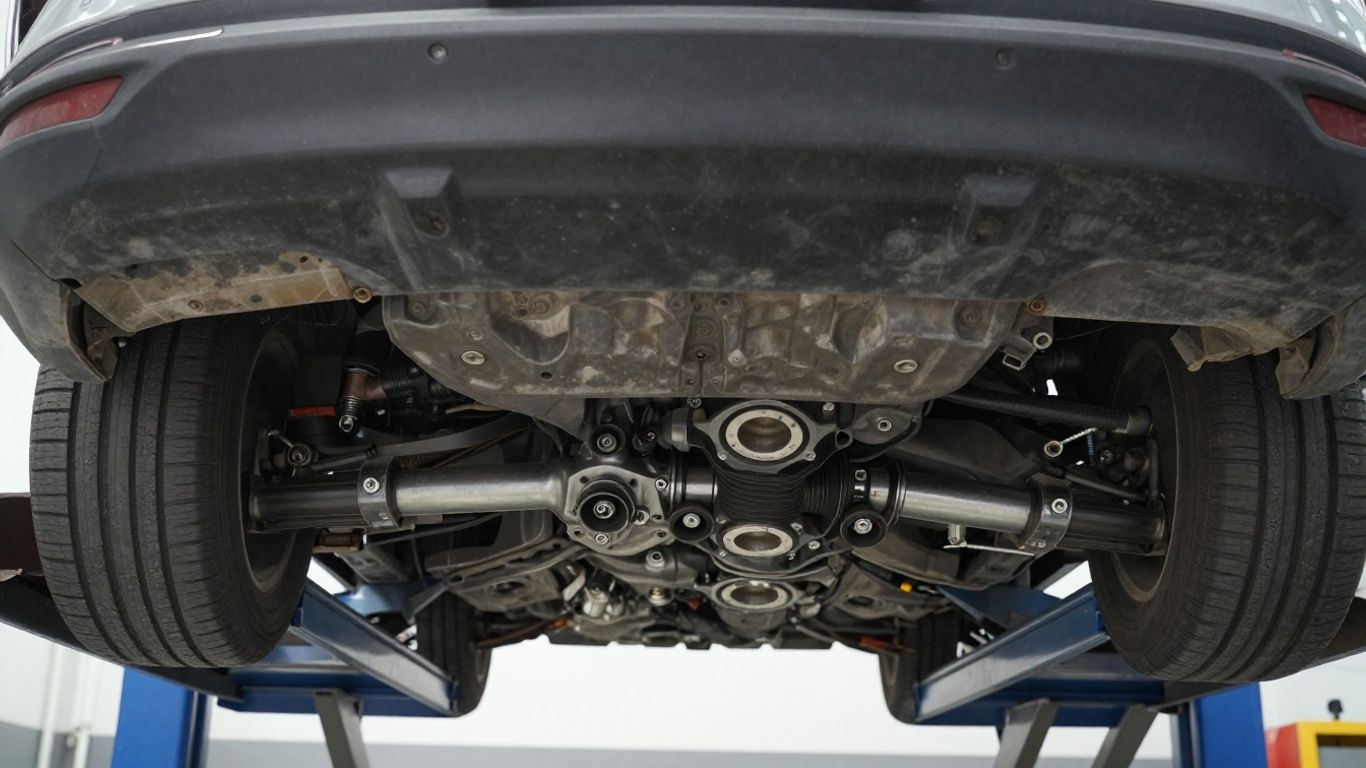
Worn engine and transmission mounts
Mounts restrain the powertrain while allowing controlled movement. Rubber can split, compress, or separate, and fluid-filled mounts can leak. Excessive movement may produce a clunk during drive or reverse selection, acceleration, or a change from throttle to coast.
A mount problem may also be felt as vibration through the body. A technician can inspect the mount condition and observe movement under controlled load; forceful testing by an unqualified person can be unsafe.
Low, contaminated, or incorrect transmission fluid
Transmission fluid provides lubrication, cooling, and hydraulic support in many automatic designs. A low level may result from a leak, while old or contaminated fluid can affect shift quality. The wrong fluid can also cause poor operation because transmissions are designed around specific friction and viscosity characteristics.
Fluid checks must follow the vehicle maker’s procedure, since level can depend on temperature, engine state, and gear position. A dark appearance alone does not prove a particular internal failure, but it is a reason to seek proper service advice.
Excessive play in driveshafts, CV joints, or universal joints
Driveshafts, CV joints, and universal joints all accommodate movement while transmitting torque. Wear can create clearance that is suddenly taken up when the direction or amount of torque changes. This is especially noticeable when shifting into gear, accelerating from a stop, or changing between throttle and coast.
The inspection may involve checking for looseness, torn boots, seized movement, damaged bearings, or leaking lubricant. Because these parts can rotate and support vehicle weight, inspection beneath a vehicle should be left to suitable equipment and trained personnel.
Worn clutch, gearbox, or differential components
Manual vehicles may clunk because the clutch is not releasing cleanly, while worn synchronizers, gears, bearings, or shift mechanisms can create harsher engagement. Differential and axle wear can also sound like a transmission fault because those parts receive the same torque changes.
Grinding, difficulty selecting a gear, or a noise that follows vehicle speed raises the concern level. A gearbox diagnosis should therefore consider the clutch, final drive, and axles rather than isolating the transmission too early.
Faults in automatic transmission solenoids and control systems
Automatic transmissions use hydraulic and electronic control systems to regulate engagement. A sensor, solenoid, wiring fault, or control problem may result in delayed, firm, or poorly timed shifts. In some cases, a warning light or stored diagnostic code accompanies the noise; in others, the symptom appears only under particular conditions.
A code points toward a circuit or operating condition, not necessarily a failed part. Testing the relevant system and confirming the mechanical symptom helps prevent unnecessary replacement.
When the clunk happens and what it suggests
The exact moment of the noise is one of the simplest clues available to a driver. Note the selected gear, vehicle speed, throttle position, and whether the vehicle is moving or stationary. A Park-to-Drive clunk may have a different cause from a sound heard halfway through a manual shift. Patterns are useful, but they should guide inspection rather than replace it.
Clunking when shifting from park to drive or reverse
A clunk when selecting drive or reverse often occurs as drivetrain slack is loaded. Mounts, universal joints, CV joints, axle components, and differential clearances can all contribute. A slight movement may be normal on some vehicles, but a hard or worsening jolt is not something to dismiss.
The symptom can be more noticeable on an incline, when cold, or after stop-and-go driving. Keep the brake firmly applied during any selection test and never crawl beneath a vehicle supported only by a jack.
Noise during manual upshifts and downshifts
During a manual shift, the clutch, gear lever, synchronizers, and driver’s release of the clutch all influence engagement. A clunk that occurs when the clutch pedal is released may indicate driveline lash or clutch-related movement rather than a damaged gear. Grinding or resistance while selecting a gear makes the clutch or internal shift mechanism more concerning.
The driver’s technique can change the symptom, but that does not prove the driver caused it. A road test should compare gentle, normal shifts with the conditions in which the noise is most repeatable.
Clunking when accelerating after changing gear
If the shift itself feels normal but a clunk occurs as the accelerator is applied, look beyond the gear-change event. Torque may be loading a loose mount, joint, bushing, or differential component. The sound may also appear when the accelerator is released, because the direction of force through the driveline reverses.
A useful observation is whether the sound follows throttle changes even when the vehicle remains in the same gear. That comparison can help distinguish driveline lash from an internal shift fault.
Sounds that occur only when the vehicle is cold
Cold fluid is thicker, seals and bushings behave differently, and idle speed may be higher after startup. These factors can make an existing engagement problem more obvious. A noise that disappears once warm still warrants attention if it is becoming louder, lasting longer, or accompanied by a delay.
Record how long the vehicle sat, the outside temperature if known, and how many minutes it takes for the sound to fade. Do not repeatedly recreate a harsh engagement just to test it.
Noise combined with slipping, grinding, or delayed engagement
A clunk accompanied by slipping, grinding, a burning smell, a warning light, or a pause before drive engages is more concerning than an isolated sound. These symptoms may indicate inadequate hydraulic pressure, worn friction components, a control fault, or a serious mechanical problem. The combination should be described clearly when booking an inspection.
Guides covering transmission clunking causes and gear-shifting noise diagnosis can help organize observations, but neither a sound description nor an online checklist can confirm the failed component.
How to diagnose the source safely
Diagnosis starts with information that can be gathered without placing anyone under a moving vehicle. A technician will usually combine the driver’s account with fluid checks, visual inspection, electronic testing, and a controlled road test. The goal is to reproduce the symptom while separating transmission behavior from suspension or driveline movement. Avoid aggressive testing on public roads.
Recording when and how the noise occurs
Use a simple note on your phone to record whether the sound happens cold or warm, during upshifts or downshifts, and under acceleration or braking. Include the selected gear, approximate speed, road slope, and whether the vehicle is stationary. A short recording made from a safe parked position may help, but do not hold a phone while driving.
The most useful report describes a repeatable sequence. For example, “after a cold start, selecting reverse with the brake applied produces one knock” is more actionable than “the transmission sounds bad.”
Checking fluid level, condition, and visible leaks
If the owner’s manual permits a driver-level check, follow its exact instructions and use only the specified fluid. Look for fresh fluid beneath the vehicle, around axle seals, cooler lines, or transmission housings, without touching hot components. Fluid color and odor can provide clues, but they are not enough to diagnose internal damage.
A leak that lowers the fluid level can turn a manageable repair into major transmission damage. If the correct checking procedure is unclear, have the level verified professionally instead of guessing.
Inspecting mounts and driveline components
A lift inspection can reveal split mounts, loose fasteners, damaged boots, leaking seals, or play in joints. The technician may also check whether the powertrain shifts excessively under controlled load. These inspections should use proper lifting points and safety supports.
The following observations are particularly helpful to provide before the appointment:
- A clunk when selecting drive or reverse
- A noise that follows acceleration or deceleration
- Vibration through the floor, seat, or steering wheel
- Fluid spots or a burning smell
This information does not replace hands-on inspection, but it helps the technician choose sensible first checks and avoid assuming that every clunk comes from inside the gearbox.
Using a scan tool to identify transmission fault codes
A scan tool can retrieve stored or pending codes from the transmission and related control systems when the vehicle supports that function. Live data may also show sensor readings or commanded gear changes that help explain a harsh engagement. Codes should be interpreted alongside the physical symptoms.
Clearing codes before an inspection can remove useful evidence. If a warning light is present, note when it appeared and whether it flashes or remains steady.
When a professional road test and lift inspection are needed
Professional help is appropriate when the noise is difficult to reproduce, comes from underneath the vehicle, or occurs with shifting problems. A technician can safely compare drive, reverse, acceleration, deceleration, and different temperatures while monitoring the vehicle. A lift inspection then checks the components that cannot be assessed from the driver’s seat.
A transmission noise inspection guide can help explain why fluid, sensors, mounts, and internal parts may all be considered. The final diagnosis still depends on the specific vehicle and test results.
Repair options and likely service decisions
The repair depends on what is worn, loose, contaminated, or incorrectly controlled. A mount or joint may be a relatively contained repair, while internal gearbox damage can require removal and disassembly. Fluid service is not automatically the right answer, especially when a transmission has a leak or advanced mechanical wear. A trustworthy estimate should explain the finding that connects the repair to the symptom.
Replacing damaged mounts, bushings, or driveline joints
Replacement may be recommended when a mount is torn, collapsed, leaking, or allowing excessive movement. Bushings, universal joints, CV joints, and related hardware may also need attention when they show measurable play or damage. After repair, the vehicle should be checked for remaining vibration and correct alignment of the driveline.
Replacing one visibly damaged part may not eliminate every noise if other components are also worn. The inspection should identify whether the sound has one clear source or several contributing areas.
Servicing or flushing the transmission fluid correctly
Fluid service may include correcting the level, repairing a leak, replacing a filter, or renewing fluid according to the vehicle’s service procedure. A flush is not a universal cure for clunking, and using an unsuitable fluid can make shifting worse. The service decision should account for the transmission design, fluid condition, maintenance history, and confirmed fault.
Ask what fluid is being used and whether the level will be set at the required temperature. Those details matter more than calling a service a flush or change.
Adjusting or replacing clutch-related components
A manual transmission may need clutch adjustment, hydraulic repair, or replacement of the clutch disc, pressure plate, release bearing, or related parts. The correct repair depends on whether the clutch is dragging, slipping, juddering, or failing to transfer torque smoothly. A clutch problem can create gear-selection symptoms without the gears themselves being damaged.
If the transmission must be removed to reach the clutch, the estimate may include related wear items that are accessible only during that work. Those recommendations should be explained rather than added without inspection.
Repairing valve bodies, solenoids, or internal gearbox parts
Automatic transmission repairs can range from testing or replacing a solenoid to servicing a valve body or rebuilding internal components. Mechanical wear, contamination, electrical faults, and hydraulic pressure problems can produce overlapping symptoms. Correct testing is essential before authorizing a major repair.
A scan code alone does not prove that a solenoid is defective, just as a fluid change cannot repair a broken gear. The strongest repair plan connects test results, observed behavior, and the proposed part.
Why the final repair cost depends on the noise source
Cost varies with the vehicle, labor access, part availability, and whether the fault is external or internal. Diagnosis may be modest when a failed mount is visible, but internal transmission work can involve removal, teardown, machining, or replacement. A second opinion can be sensible when the recommendation is a major rebuild and the evidence is unclear.
Ask whether the estimate covers diagnosis, parts, labor, fluid, seals, and follow-up testing. Clear boundaries make it easier to compare options without assuming that the cheapest initial quote is the least expensive outcome.
How urgent a gearbox clunking noise can be
Urgency depends on the severity and accompanying symptoms. A light, occasional sound with normal engagement may allow a prompt appointment rather than an emergency stop, but it should still be monitored. A hard impact, worsening frequency, or change in vehicle response raises the risk. If the vehicle cannot select or hold a gear reliably, safety takes priority over reaching a destination.
Signs that require stopping the vehicle immediately
Stop in a safe location and switch off the vehicle if there is sudden loss of drive, uncontrolled movement, severe grinding, smoke, a strong burning smell, or a large fluid leak. A flashing warning light, violent repeated knocking, or a component hanging beneath the vehicle also calls for caution. Do not continue simply because the vehicle can still move.
Use roadside assistance when needed. Continuing can damage rotating parts or leave the vehicle unable to move in traffic.
Symptoms that may allow limited driving to a repair shop
A vehicle with one mild, isolated clunk and otherwise normal operation may be driven a short distance to a repair facility if no warning signs are present. Drive slowly, avoid heavy loads and steep hills, and choose a route with a safe place to stop. This is a temporary risk decision, not evidence that the problem is harmless.
If the sound changes during the trip, stop driving and reassess. A prompt appointment is still preferable to waiting for the noise to become constant.
Risks of ignoring worsening transmission noises
Wear can increase clearance, contaminate fluid, or place additional stress on neighboring components. A small mount or joint problem may then become a broader driveline repair. Internal transmission damage can also progress if slipping or poor lubrication continues.
Early inspection does not guarantee a cheap repair, but it can reduce uncertainty and may prevent secondary damage. A transmission repair assessment is especially sensible when the noise is becoming more frequent.
How driving style can reduce additional drivetrain stress
Until the vehicle is checked, use smooth throttle inputs and allow the transmission to engage fully before accelerating. Come to a complete stop before changing between drive and reverse, keep the brake applied during selection, and avoid towing or hard launches. Do not repeatedly test the clunk with abrupt throttle changes.
These habits reduce shock loads but cannot repair worn parts. If normal gentle driving still produces a hard engagement, limit use and arrange an inspection.
When towing is safer than continuing to drive
Towing is the safer choice when gears slip, engagement is delayed, fluid is leaking heavily, the vehicle shudders violently, or the noise is accompanied by grinding or loss of propulsion. It is also sensible when the source appears to be a damaged shaft or joint, since a failing driveline component may worsen under load.
Tell the recovery operator about the drivetrain symptoms and vehicle type. Proper towing equipment matters, particularly for vehicles with all-wheel drive or other manufacturer-specific requirements.
Conclusion
A gearbox clunking noise when shifting can come from a mount, joint, fluid problem, control fault, clutch, differential, or internal transmission component. Track exactly when it happens, avoid unsafe tests, and arrange a professional inspection when the noise worsens or comes with slipping, grinding, delay, or a leak. A timely, evidence-based diagnosis is the best route to choosing the right repair.
Frequently Asked Questions
Is a clunk when shifting always a transmission problem?
No. Engine and transmission mounts, driveshafts, CV joints, universal joints, differentials, and clutch components can all create a similar sound.
Why does my car clunk when shifting from reverse to drive?
The direction of torque changes quickly, which can take up slack in worn mounts, joints, bushings, or differential components. A harsh or worsening clunk needs inspection.
Can low transmission fluid cause a clunk?
Low or incorrect fluid can affect lubrication, cooling, hydraulic pressure, and shift quality. The level should be checked using the vehicle’s specified procedure.
Is it safe to drive with a gearbox clunking noise?
It depends on the severity and accompanying symptoms. A mild isolated sound may permit limited driving to a repair shop, while slipping, grinding, loss of drive, smoke, or a major leak calls for towing.
What information should I give a mechanic?
Describe whether the vehicle was cold or warm, the selected gear, speed, throttle position, road slope, and any vibration, delay, warning light, fluid leak, or burning smell.
Can a scan tool find the cause of a clunk?
A scan tool can identify stored or pending fault codes and provide useful data on some electronically controlled systems. It cannot by itself confirm every mechanical fault.
Will changing the transmission fluid fix the noise?
Sometimes service addresses a fluid-related shift problem, but fluid replacement cannot repair worn mounts, loose joints, damaged gears, or other mechanical faults. The cause should be confirmed first.