

Key Takeaways
CVT transmission problems Australia drivers encounter often begin with heat, incorrect fluid or delayed servicing rather than a sudden internal collapse. Early diagnosis can make the difference between a manageable repair and a full replacement.
- Shuddering, whining, delayed engagement and warning lights deserve prompt inspection.
- CVTs rely on carefully matched pulleys, a belt or chain and specialised fluid.
- Stop-start traffic, steep hills, towing and high temperatures can increase transmission stress.
- Correct servicing and fluid are central to long-term CVT reliability.
- A proper diagnosis should come before choosing between repair, reconditioning or replacement.
What a CVT transmission does and why problems occur
A continuously variable transmission changes its ratio without the familiar fixed gear steps of a conventional automatic. That can make acceleration feel smooth and help the engine operate efficiently, but the system still depends on precise hydraulic pressure, clean fluid and sound mechanical parts. When one part loses accuracy, symptoms may appear as vibration, noise or a loss of drive.
How a continuously variable transmission differs from a conventional automatic
A conventional automatic selects from a set of gears, while a CVT varies the ratio continuously as road speed and engine load change. The driver may not feel distinct shifts, although some vehicles simulate them through software. This design is not automatically unreliable; it simply has different service needs and failure patterns from a geared automatic.
The smooth response can also make a developing issue easy to dismiss. A brief flare in engine speed or a small hesitation may be the first indication that the transmission is no longer maintaining the ratio cleanly.
The role of pulleys, belts and transmission fluid
Most belt-type CVTs use two variable-diameter pulleys connected by a high-strength belt. Hydraulic pressure moves the pulley faces, controlling how the belt runs and therefore changing the drive ratio. Fluid lubricates the moving surfaces, transfers hydraulic pressure and helps carry heat away from the assembly.
Using the wrong fluid can alter friction characteristics and hydraulic behaviour. Contamination, metal debris or an overdue fluid change can similarly accelerate wear in the belt, pulley faces, bearings and valve body.
Why Australian driving conditions can increase CVT stress
Australian vehicles may face long distances, hot ambient temperatures, steep suburban roads, unsealed surfaces and heavy city traffic. Repeated low-speed acceleration keeps the transmission working while airflow and cooling may be limited. Towing, roof loads and frequent climbs add still more demand.
That does not mean every CVT will fail under these conditions. It does mean the service history and the vehicle’s actual use matter when assessing a complaint, particularly if the vehicle spends much of its time in congested traffic or carries substantial loads.
How servicing affects long-term CVT reliability
Servicing should follow the vehicle maker’s schedule and the conditions in which the vehicle is driven. A useful inspection includes checking for leaks, scanning for stored faults, assessing fluid condition and confirming that the correct procedure was used. A service record also gives a technician a clearer starting point when symptoms appear.
A transmission that is serviced regularly can still develop a mechanical or electronic fault, so maintenance is not a guarantee. It is, however, one of the strongest ways to reduce avoidable wear and identify a small problem before it damages other components.
The most common CVT transmission problems in Australia
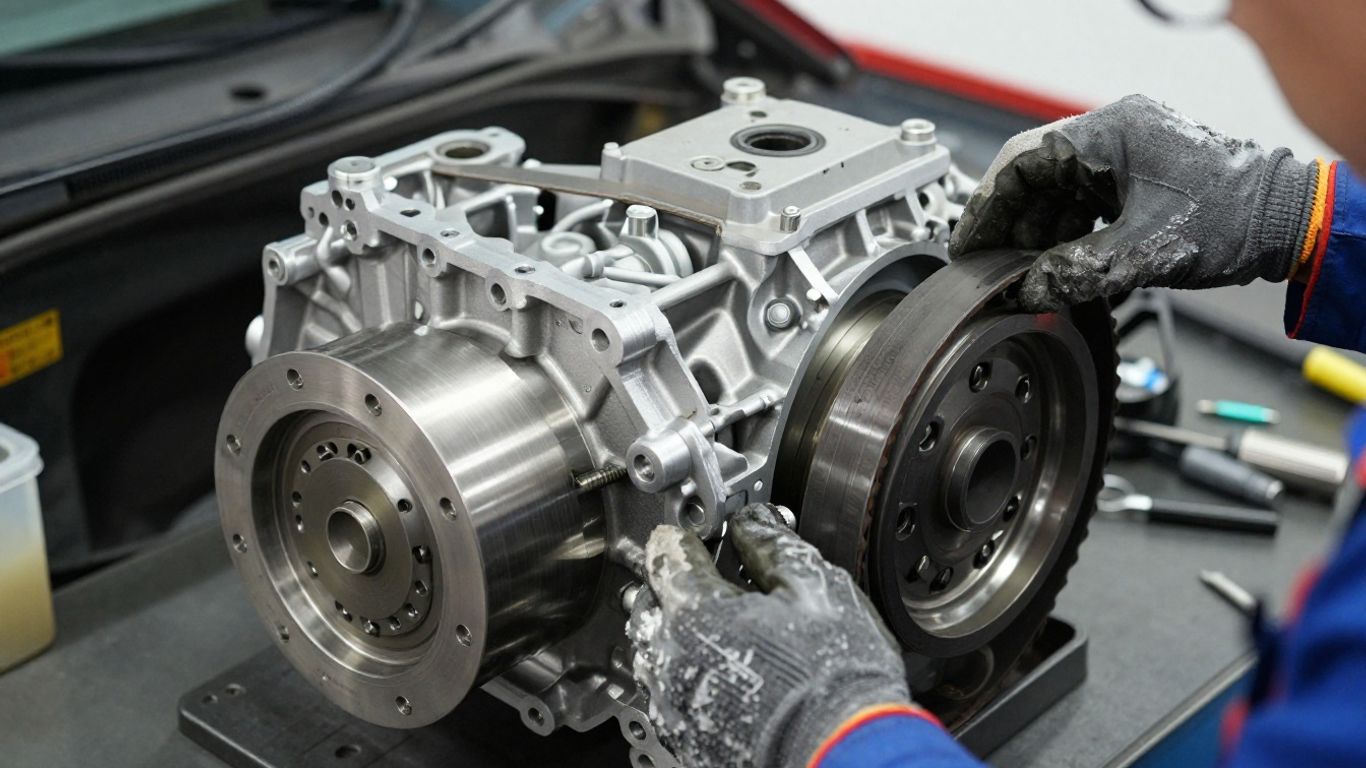
The most common complaints are not all signs of the same failure. A shudder may relate to fluid or calibration, while a whine may point toward bearing or pulley wear. Recording when the symptom occurs—cold or hot, uphill or level, accelerating or cruising—helps separate these possibilities.
Shuddering, juddering and vibration during acceleration
A shudder during take-off or light acceleration can feel like the vehicle is driving over a series of small ridges. Possible causes include degraded fluid, incorrect fluid level, clutch-related operation in some designs, belt and pulley wear, or a software adaptation issue. The sensation should not be diagnosed by replacing fluid alone without checking for fault codes and mechanical evidence.
If the vibration is becoming more frequent, avoid repeated hard acceleration while arranging an inspection. Continuing to drive through severe juddering can increase heat and spread wear through the transmission.
Delayed engagement, slipping and loss of drive
Delayed engagement occurs when Drive or Reverse takes longer than expected to respond. Slipping may appear as rising engine speed without a matching increase in road speed, while loss of drive can leave the vehicle unable to move. Low fluid, hydraulic pressure faults, valve body problems and internal belt or pulley damage are among the possibilities.
A vehicle that intermittently loses drive is not suitable for normal commuting until it has been assessed. Towing it to a workshop is usually safer than trying to reproduce the fault on a busy road.
Overheating and transmission warning lights
Heat is a major concern because excessive temperature can degrade fluid and affect seals, hydraulic control and electronic components. A warning light, burning smell, reduced performance or a message directing the driver to stop should be treated seriously. Pull over safely, allow the vehicle to cool only if the manufacturer permits it, and arrange professional advice.
The guide to Nissan CVT overheating discusses overheating, belt wear and sluggish performance as related diagnostic concerns. Its examples should not be applied to every vehicle, but they illustrate why model-specific information matters.
Whining, grinding and unusual transmission noises
A faint change in sound may be difficult to interpret, but a rising whine, rumble or grinding noise deserves attention. Noise that changes with vehicle speed can suggest rotating-component wear; noise that changes with engine load may point elsewhere in the drivetrain. A technician may need to road-test the vehicle and inspect fluid for debris.
Do not rely on the absence of a warning light. Mechanical wear can progress while the control module sees readings that remain within an acceptable range.
Poor acceleration and reduced fuel efficiency
A CVT that cannot hold the appropriate ratio may feel sluggish, flare in engine speed or keep the engine unusually loud under modest acceleration. Fuel consumption can also rise when the transmission is working inefficiently, although tyres, engine faults, brakes and driving conditions can produce similar changes.
A scan, road test and broader vehicle inspection are therefore more useful than treating fuel economy as proof of transmission failure. The practical aim is to identify the source rather than assume the most expensive explanation.
Warning signs that your CVT needs attention
Early symptoms are often intermittent. They may appear only after the vehicle warms up, during a hill climb or when reversing from a parking space. Keeping notes about the temperature, speed, throttle position and dashboard messages can make the first workshop visit more productive.
Symptoms that may indicate low or degraded fluid
Fluid-related symptoms can include shuddering, delayed engagement, a hot smell and inconsistent response. A leak may leave spots beneath the vehicle, although some leaks are hidden by undertrays or occur only while the transmission is operating. Fluid level checks also vary by design, so a generic dipstick assumption can be misleading.
The colour of fluid alone is not a complete diagnosis. Correct level, specification, condition and the presence of metallic material all matter.
Signs of belt, pulley or bearing wear
A persistent whine, rumble, vibration or ratio flare may indicate wear in internal rotating parts. Some faults become louder under load, while others are most obvious at a particular road speed. A belt or pulley problem should be investigated promptly because damaged surfaces can create debris and cause secondary damage.
Noise from a wheel bearing, driveshaft or differential can sound similar. That is why a careful road test is preferable to ordering an internal transmission repair based on one description.
When limp mode requires immediate inspection
Limp mode may limit speed, hold a ratio or trigger a warning message to protect the vehicle. It is a sign that the control system has detected a condition it considers unsafe or outside normal operation. Once safely parked, the vehicle should generally be inspected rather than repeatedly restarted and driven as if the issue has disappeared.
If the vehicle is losing drive, overheating or making a harsh mechanical noise, arrange recovery. A temporary return to normal operation does not prove the underlying fault has cleared.
How to distinguish CVT problems from engine or drivetrain faults
A rough engine, faulty ignition coil, restricted air supply or failing engine sensor can mimic a transmission problem. So can a worn inner CV joint, differential, wheel bearing or engine mount. The timing of the symptom helps: engine faults may follow engine speed, while transmission or driveline faults may follow ratio, load or vehicle speed.
A scan should cover relevant engine and transmission modules, followed by physical checks. Asking the workshop to explain what evidence supports its diagnosis can prevent unnecessary parts replacement.
Common causes of CVT failure
Failure is usually the result of a chain of conditions rather than one universal cause. Fluid breakdown may increase wear; wear may create debris; debris may affect hydraulic control. Separately, a sensor or software issue can create severe symptoms without major internal damage.
Incorrect, contaminated or overdue transmission fluid
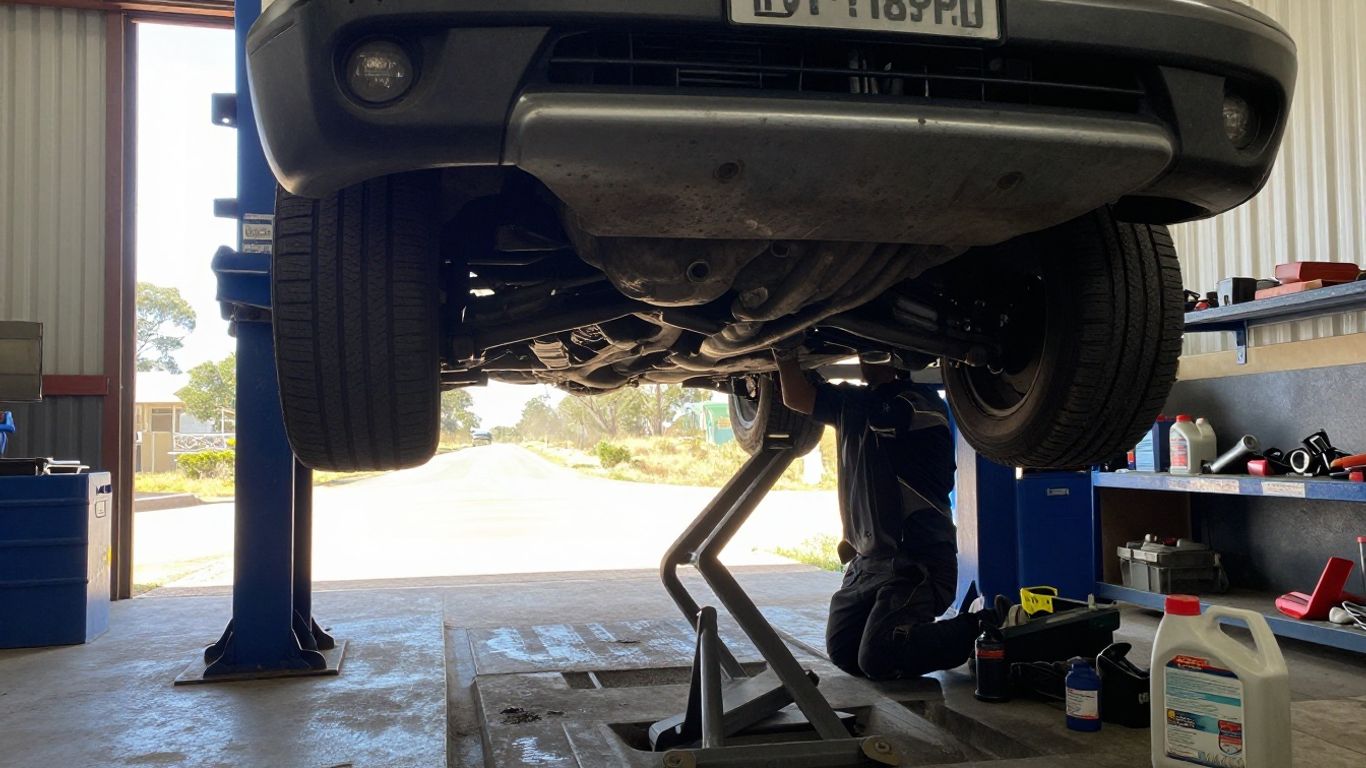
CVT fluid is not interchangeable with ordinary automatic transmission fluid unless the vehicle manufacturer specifically says so. The wrong product can change belt-to-pulley friction and hydraulic behaviour. Overfilled, underfilled or contaminated fluid can also create aeration, pressure problems and accelerated wear.
Fluid servicing must use the specified product and procedure, including any temperature or calibration requirements. A simple drain-and-fill is not automatically equivalent to every manufacturer service method.
Stop-start traffic, towing and heavy-load driving
Frequent acceleration from rest, steep grades and towing generate heat and increase the work required from the transmission. Heavy loads are especially demanding when combined with hot weather or slow traffic. Vehicles used this way may need closer attention to the severe-use provisions in their service schedule.
That does not make towing impossible in every CVT-equipped vehicle. The owner’s manual should determine permitted loads, equipment and operating limits rather than general internet advice.
Manufacturing defects and model-specific weaknesses
Some vehicles or production periods may have known technical issues, revised parts or software updates. A model reputation is only a starting point, not a diagnosis for an individual car. The exact transmission code, build date, maintenance record and symptoms should all be checked.
For example, Nissan CVT repairs describes model-specific repair and programming considerations, while Subaru CVT reliability reports illustrates why an individual owner’s experience should not be treated as a universal failure rate.
Neglected servicing and delayed repairs
Skipped services allow fluid degradation, leaks and small drivability changes to continue unnoticed. Delayed repairs can turn a sensor or valve-body problem into a wider internal repair if the transmission keeps operating with incorrect pressure or excessive heat. Used-car buyers should look for dated invoices rather than relying only on a stamped logbook.
A prompt inspection is particularly worthwhile when the vehicle is still driving normally but has developed a new noise or judder. Early investigation may preserve repair choices that disappear after a major failure.
Software, sensor and valve body problems
The transmission controller depends on speed sensors, pressure information and solenoids to manage pulley movement. A faulty sensor, wiring issue, valve body or calibration can cause harsh operation, delayed response or a warning light. These faults may be repairable without replacing the entire transmission, but only after testing confirms the source.
A software update can be relevant for some model-specific complaints, yet it should not be used as a substitute for checking fluid condition and mechanical wear. Diagnostics and physical inspection need to work together.
CVT reliability by vehicle brand and model
Reliability varies by transmission design, production year, maintenance and use. Broad statements such as “all CVTs fail” or “this brand never has problems” are not useful purchasing or repair advice. Compare the specific model, transmission generation and documented service requirements.
Nissan CVT issues and service considerations
Nissan vehicles with CVTs have generated owner and technician discussion around overheating, judder, belt wear and loss of acceleration in particular applications. Those concerns do not establish that every Nissan CVT has the same weakness. Confirm the vehicle’s service history, transmission code and any applicable technical information before choosing a repair path.
The Nissan CVT guide is useful background for questions about sluggish performance and belt replacement. It should complement, not replace, a diagnosis of the actual vehicle.
Subaru CVT concerns and maintenance requirements
Subaru CVT concerns should be considered in the context of model, year, mileage and use. Service intervals, fluid specifications and procedures need to be followed carefully, especially where the vehicle regularly travels long distances, climbs hills or carries loads. A complete history is more informative than an isolated online story.
A noise or shudder should still be investigated promptly. The source linked above records one owner’s experience, but an individual case is not a guarantee of what will happen to another vehicle.
Honda CVT reliability and common symptoms
Honda CVT symptoms can include judder on take-off, unusual bearing noise or inconsistent acceleration. Maintenance remains important even where a design has a generally favourable reputation. The Honda CVT overview discusses smooth acceleration, fuel economy and those common symptoms, while also stressing the role of proper maintenance.
For any used vehicle, check whether the correct fluid was installed and whether servicing was performed at the required intervals. A test drive from cold and after warm-up can reveal different behaviour.
Mitsubishi, Toyota and other CVT-equipped vehicles
Mitsubishi, Toyota and other manufacturers use different CVT designs, controls and service procedures. Their vehicles should not be grouped together simply because they share the same transmission type. Parts availability, hybrid system design, authorised service requirements and local repair expertise can all affect the outcome.
The sensible comparison is between specific vehicles with similar age, mileage and records. A well-maintained example may be a better prospect than a neglected vehicle with a supposedly stronger reputation.
How to check recalls, technical bulletins and service history
Use the manufacturer’s Australian resources and the government recall system to check the vehicle identification number where applicable. Ask a dealer or specialist whether technical bulletins, software updates or revised procedures apply. Then match those checks against invoices, inspection reports and the seller’s account of how the car was used.
This process is especially useful before buying a used CVT vehicle. It may not predict every failure, but it can reveal an unresolved campaign, repeated repair pattern or missing maintenance evidence.
CVT repair and replacement costs in Australia
CVT repair costs in Australia vary widely because “repair” can mean a fluid service, an electronic diagnosis, a valve-body replacement or a complete transmission. Labour rates, parts availability and the vehicle’s design also differ between metropolitan and regional workshops. Treat any online price as a budgeting guide, not a quote.
Diagnostic inspection and transmission fluid service costs
A diagnostic inspection may include a scan, road test, fluid assessment and leak check. A basic service is generally less costly than internal repair, but the exact price depends on the fluid volume, access, filter arrangement and required calibration. Ask what the inspection includes before authorising work.
For broader budgeting, the article on CVT repair expenses explains why diagnosis, reduced resale value and ongoing maintenance can all affect the total ownership cost. Its general discussion is not a substitute for Australian workshop pricing.
Valve body, solenoid and sensor repair estimates
Electronic and hydraulic repairs can range from a sensor or wiring fix to a valve-body replacement. The cost depends on whether the component can be serviced, whether programming is required and whether contamination has damaged neighbouring parts. A written estimate should separate diagnosis, parts, labour, fluid and calibration.
If a workshop recommends a complete replacement immediately, ask whether fault-code data and pressure or electrical testing support that recommendation. Sometimes a smaller repair is appropriate; sometimes internal damage makes replacement the more responsible option.
Belt, pulley and internal transmission repairs
Internal repairs require removal and disassembly, specialist tooling and careful measurement. Belt and pulley damage may also affect the transmission case, bearings or hydraulic system. Because the labour is substantial, the estimate should explain what is included and what happens if additional damage is found after opening the unit.
The cheapest initial figure is not always the lowest final cost. Warranty terms, parts quality and the workshop’s experience with that transmission design deserve equal attention.
Reconditioned, used and replacement CVT options
A reconditioned unit may offer a balance between price and warranty, while a used unit can have uncertain history and mileage. A new replacement is often the most predictable option but may be expensive. Compare the supplied unit’s warranty, inclusions, installation requirements and return conditions.
| Repair path | Main advantage | Main question to ask |
|---|---|---|
| Component repair | Retains the original unit when damage is limited | What testing confirms the failed component? |
| Reconditioned CVT | May balance cost and warranty | What parts were replaced and how is it tested? |
| Used CVT | Can reduce upfront cost | What is the donor unit’s history and mileage? |
| New replacement | Usually the clearest parts provenance | What are the total fitted cost and warranty terms? |
This comparison gives the owner a framework for reviewing quotes without assuming that one option suits every vehicle. The transmission’s condition, vehicle value and expected future use should guide the decision.
Factors that affect quotes across Australian states
Quotes can differ with workshop overheads, regional freight, technician availability and the vehicle’s parts supply. Luxury, hybrid and less common models may require specialised equipment or longer parts lead times. GST, towing, fluid, programming and post-repair testing should be visible in the estimate.
Get comparable written quotes that describe the same scope of work. A vague “transmission replacement” price is difficult to compare with a fully itemised, fitted and warranted proposal.
How to prevent CVT transmission problems
Prevention is mostly disciplined ownership rather than a special driving trick. Keep records, respond to changes in behaviour and use parts that match the vehicle’s specification. It is also wise to understand the difference between routine maintenance and a repair that needs specialist diagnosis.
Following the manufacturer’s Australian service schedule
Start with the Australian owner’s manual and service schedule, including any severe-use guidance. Confirm what is due by time and kilometres, and keep invoices that identify the fluid and work performed. If the vehicle has been used for towing, short trips or extensive traffic, ask whether additional servicing applies.
A complete record is valuable when selling the vehicle and when diagnosing a later complaint. It also helps prevent two workshops from assuming the other performed a fluid change or software update.
Choosing the correct CVT fluid and replacement parts
Use the precise fluid specification rather than a product described only as “universal.” Filters, seals and replacement components should also be matched to the transmission code. If a product substitution is proposed, ask the supplier or manufacturer for documented compatibility.
The wrong consumable can create symptoms that resemble mechanical failure. Checking the specification before the service is a small step compared with correcting a damaged transmission.
Driving habits that reduce heat and drivetrain strain
Gentle, progressive acceleration is kinder to the system than repeated launches. Allow the vehicle to come to a complete stop before selecting the opposite direction, and avoid holding it on a hill with the accelerator. Pay attention to new symptoms rather than compensating with harder throttle input.
For practical ownership, these habits are worth remembering:
- Let the vehicle settle before changing between Drive and Reverse.
- Avoid repeated hard acceleration when the transmission is hot.
- Keep tyres correctly inflated and remove unnecessary loads.
- Stop and seek advice if a warning light, burning smell or loss of drive appears.
These actions cannot prevent every defect, but they reduce avoidable heat and load. They also make it easier to describe the circumstances of a problem to a technician.
Towing, hills and traffic precautions
Follow the vehicle’s rated towing capacity and use any specified equipment, including cooling provisions where required. On long climbs, avoid forcing repeated acceleration if the transmission is overheating or the vehicle is struggling. In congested traffic, leave space where possible so the car is not constantly moving and stopping under load.
The goal is not to drive unnaturally slowly. It is to avoid turning heat, weight and repeated throttle application into a sustained transmission stress event.
When to consult a specialist transmission workshop
Consult a specialist when symptoms persist, a warning light appears, the vehicle enters limp mode or a general workshop cannot explain the fault. Choose a business that can scan the relevant modules, road-test the vehicle and explain repair alternatives. Ask about written findings, warranty coverage and whether programming is included.
For comparison, CV boot maintenance concerns a different drivetrain component, but it reinforces a useful general lesson: small protective parts and early inspection can prevent larger mechanical work. The advice should not be confused with CVT servicing.
A clear diagnostic process matters more than a confident guess. Where the repair involves internal components, obtain a second opinion if the evidence and proposed work do not line up.
Conclusion
CVT transmission problems Australia drivers face can involve fluid, heat, electronics or internal wear, and the symptoms often overlap with other vehicle faults. Prompt diagnosis, correct servicing and realistic comparison of repair options give owners the best chance of controlling cost and protecting reliability.
Frequently Asked Questions
What is the most common sign of a CVT problem?
Shuddering or juddering during take-off is common, but delayed engagement, whining, warning lights and loss of drive are also important signs. No single symptom identifies the failed component.
Can a CVT be repaired instead of replaced?
Yes, some faults involving fluid, sensors, solenoids or the valve body can be repaired. Extensive belt, pulley or bearing damage may make reconditioning or replacement more suitable.
How long can a CVT transmission last?
Service life depends on design, maintenance, driving conditions, heat management and repair quality. Mileage alone cannot reliably predict when a particular CVT will fail.
Is CVT fluid different from automatic transmission fluid?
Often, yes. Use only the specification stated for the vehicle because friction and hydraulic characteristics are important to CVT operation.
Is it safe to drive with a CVT warning light?
A short trip to a workshop may be reasonable only if the vehicle is operating normally and the manufacturer permits it. Limp mode, overheating, burning smells or loss of drive call for stopping safely and arranging recovery.
Does towing damage a CVT?
Towing can increase heat and load, but it is not automatically harmful when the vehicle is rated and operated within the manufacturer’s limits. Exceeding those limits or ignoring cooling and servicing requirements increases risk.
How should I compare CVT repair quotes?
Compare the diagnosis, parts source, labour, fluid, programming, warranty, towing and post-repair testing. Make sure each quote covers the same work before choosing on price.