

Key Takeaways
An automatic transmission replacement can vary sharply in price, so the first quote is rarely the whole story. These points will help you compare options without losing sight of the vehicle’s age, condition, and likely future use.
- A complete replacement usually costs far more than a minor repair or targeted component change.
- Make, model, transmission type, parts availability, and workshop location all affect the final estimate.
- Used, rebuilt, remanufactured, and new units carry different levels of cost and warranty protection.
- Towing, diagnostics, fluids, cooling repairs, vehicle hire, and downtime can add materially to the bill.
- An itemised quote is the best way to compare workshops and identify missing charges.
Understanding automatic transmission replacement costs in Australia
The automatic transmission replacement cost Australia drivers see advertised is usually a starting point, not a guaranteed total. A workshop must identify the transmission code, confirm the failure, and inspect related systems before it can price the job properly. A compact hatchback, a four-wheel drive, and a luxury vehicle may all require very different parts and labour. The estimates below are useful for budgeting, but they should not replace a vehicle-specific inspection.
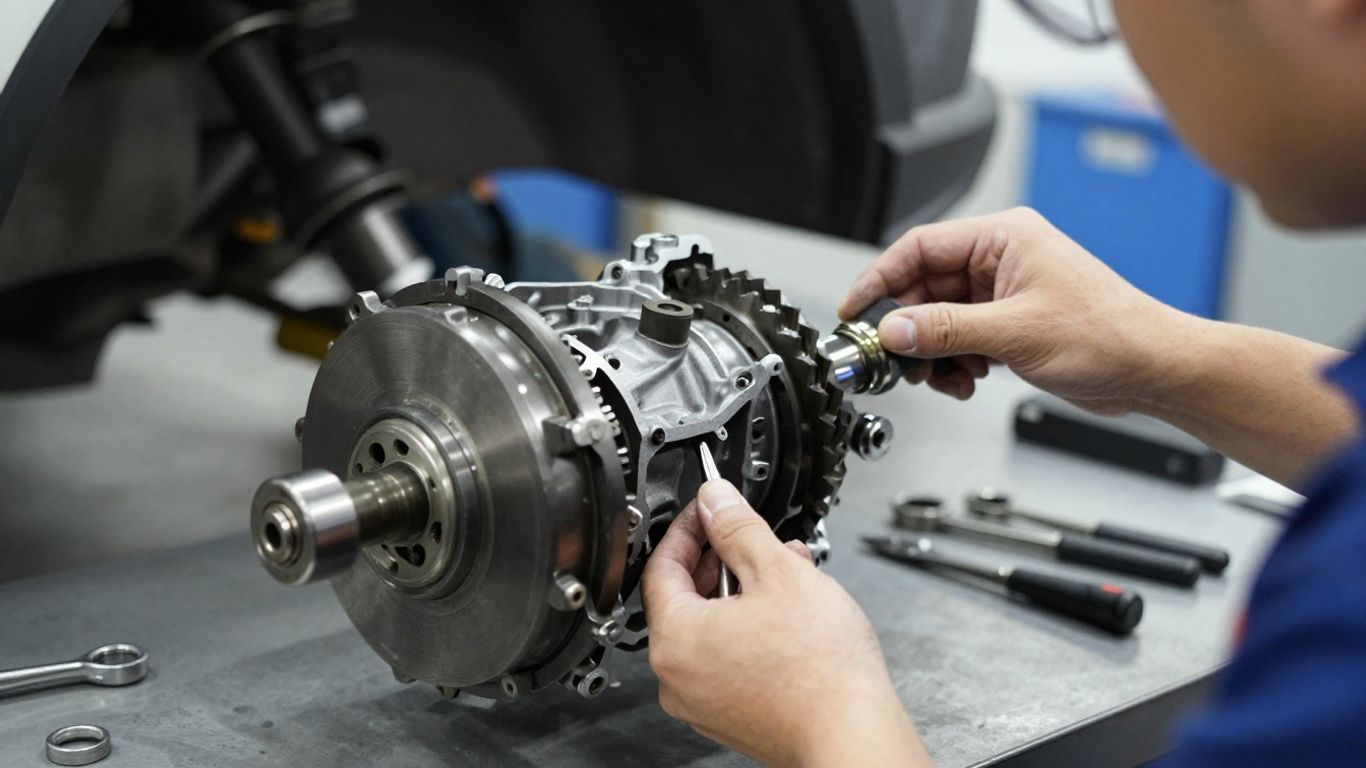
Typical price ranges for different transmission types
A minor automatic transmission repair may sit in the hundreds of dollars, while a rebuild or replacement can move into the thousands. Conventional automatics, continuously variable transmissions, and dual-clutch systems use different components and procedures, which makes direct comparison difficult. A broad Australian budgeting range for a complete replacement might be roughly AUD 3,000 to AUD 10,000 or more, with premium and uncommon vehicles potentially exceeding that range.
For context, this Australian transmission cost guide compares estimates across vehicle types and explains why the transmission system itself matters. Treat any online range as an early planning figure; the exact unit and installation requirements still decide the bill.
Labour, parts, and installation charges
The quote normally combines the replacement unit, removal of the old transmission, installation, fluid, programming or adaptation where required, and road testing. Labour can be a significant share of the total because access is restricted and surrounding components may need to be removed first. Some workshops quote a flat installation charge, while others bill by the hour and add consumables separately.
Ask whether the price includes the torque converter, seals, filter, fresh fluid, diagnostic work, and disposal of the old unit. A complete written scope makes it easier to distinguish a low headline price from a genuinely lower total.
How vehicle make, model, and age affect the estimate
Vehicle age changes the decision as much as it changes the price. An older, high-mileage car may have corrosion, worn mounts, damaged wiring, or other maintenance needs that become visible once the transmission is removed. Newer vehicles can cost more because their units may require electronic setup, manufacturer-specific software, or less common parts.
The engine size, drivetrain, imported status, and whether the vehicle uses an unusual transmission code also matter. Before approving the work, compare the proposed repair with the car’s current market value and expected service life.
Why dealership prices can differ from independent workshops
Dealerships may use manufacturer-specified parts, diagnostic systems, and repair procedures, while independent transmission specialists may offer more replacement-unit choices. Neither price is automatically the better value. The useful comparison is the scope of work, warranty, turnaround time, and experience with the exact transmission fitted to your vehicle.
A dealership quote may also include broader inspection or software work that an independent quote lists separately. Conversely, a specialist may be able to source a tested exchange unit at a lower parts cost. Read the inclusions before comparing totals.
Repairing, rebuilding, or replacing the transmission
Replacement is only one possible response to slipping, shuddering, delayed engagement, or a complete loss of drive. A failed sensor, solenoid, seal, cooler line, or electrical connection can sometimes create symptoms that resemble major internal damage. A proper diagnosis should therefore come before a decision about the unit itself. The right option balances immediate cost with reliability and the remaining life of the vehicle.
When a minor repair may be enough
A minor repair may be appropriate when the transmission still has sound internal components and the fault is isolated. Examples can include a leak, damaged pan, sensor issue, solenoid problem, wiring fault, or contaminated fluid, although the exact cause needs testing. Continuing to drive while the vehicle is slipping or overheating can turn a manageable fault into extensive internal damage.
A repair-versus-replace discussion should include the evidence behind the diagnosis, not just a symptom-based guess. This transmission repair guide covers common warning signs, fluid maintenance, and the difference between smaller repairs and major work.
What a transmission rebuild includes
A rebuild generally involves removing and disassembling the transmission, inspecting internal parts, replacing worn components, cleaning the casing, and reassembling the unit. The precise scope varies, so the word “rebuild” should never be treated as a standardised package. Ask whether clutches, bands, bearings, seals, filters, the valve body, and the torque converter are included or assessed separately.
Wholesale Automatic Transmissions describes remanufacturing work that replaces every gasket, seal, clutch, friction, band, and oil filter, and uses a new or remanufactured and balanced torque converter. That is a description of its documented process, not a promise that every workshop’s rebuild includes the same work.
Comparing a used, remanufactured, and new replacement
A used unit is often the lowest-cost replacement, but its mileage, history, storage conditions, and testing record may be uncertain. A remanufactured unit has normally been disassembled and restored to a defined specification, while a new unit may provide the clearest component history at the highest price. Availability can make any of these options more practical than the others.
When comparing them, look beyond the purchase price. Confirm the transmission code, compatibility, included accessories, testing process, freight, core charge, and warranty conditions. Absolute Car Care also outlines the broad trade-off between minor repairs, rebuilds, and replacement units, although overseas pricing should not be applied directly to Australian jobs.
How warranty coverage changes the overall value
A longer warranty can make a more expensive unit worthwhile, but only if its terms are clear. Check the duration, kilometre limit, labour coverage, exclusions, servicing requirements, and whether the warranty applies nationally or only at the supplying workshop. Some warranties require approved fluid, documented servicing, or prompt reporting of symptoms.
A cheap unit with limited parts-only protection may create a large second bill if installation labour is excluded. Conversely, a properly documented warranty can reduce the financial risk of choosing a remanufactured unit, provided the vehicle is maintained as required.
The main factors that influence your final bill
Two vehicles with the same reported symptom can receive very different estimates. The difference may come from the extent of internal damage, the availability of the correct unit, or a related cooling or electrical fault. Parts and labour are only the visible part of the calculation. A sensible budget leaves room for inspection findings made after removal.
Transmission damage and failure symptoms
Symptoms can offer clues but cannot confirm the repair path. Slipping, delayed gear selection, shuddering, grinding, harsh shifts, fluid leaks, warning lights, and loss of drive may arise from different faults. A scan, road test, fluid inspection, and sometimes pressure testing are needed to narrow the cause.
A vehicle that still moves under its own power is not necessarily safe to drive. If the fluid is low, the unit is overheating, or gears are engaging unpredictably, towing may be cheaper than causing further damage.
Parts availability and supply-chain delays
Rare transmission codes, imported vehicles, and older models can be difficult to source parts for. Freight, exchange-unit availability, core returns, and supplier backorders may extend the repair and change the quoted price. A workshop may offer several options, but each can have a different delivery date and warranty.
Ask whether the quote is based on stock currently held in Australia or on an overseas order. Also confirm whether freight, core charges, and storage fees are included. This helps prevent a seemingly fixed estimate from changing when the preferred unit cannot be supplied.
Regional labour rates across Australia
Labour rates vary between capital cities, regional centres, and remote areas. Access to specialist technicians, freight routes, workshop overheads, and local demand can all affect the hourly rate. A lower hourly charge does not always mean a lower total if the job takes longer or requires additional transport.
For a fair comparison, request the estimated labour hours as well as the hourly rate. If the car must travel to another city for specialist work, add towing, freight, accommodation, and the cost of being without the vehicle.
Additional components that may need replacement
A transmission may fail because of, or cause damage to, components outside the main casing. The inspection should consider the cooler, lines, mounts, driveshaft or axles, wiring, sensors, battery condition, and engine management faults. Cleaning the cooling circuit can also be necessary after severe internal failure.
The following items are worth asking about before work begins:
- Torque converter inspection or replacement.
- Transmission cooler and line flushing.
- Mounts, seals, gaskets, and fasteners.
- Electrical diagnosis, programming, or adaptation.
These are not automatic add-ons for every vehicle. They are prompts for a more complete conversation about what the installation actually requires.
Extra costs to include in your budget
The replacement unit is often the most visible expense, but it is not the only one. A vehicle can accumulate charges before the workshop has even confirmed the diagnosis, and delays can create transport costs for the owner. Build the budget around the complete repair journey rather than the advertised component price. This is especially useful when the vehicle is your daily transport.
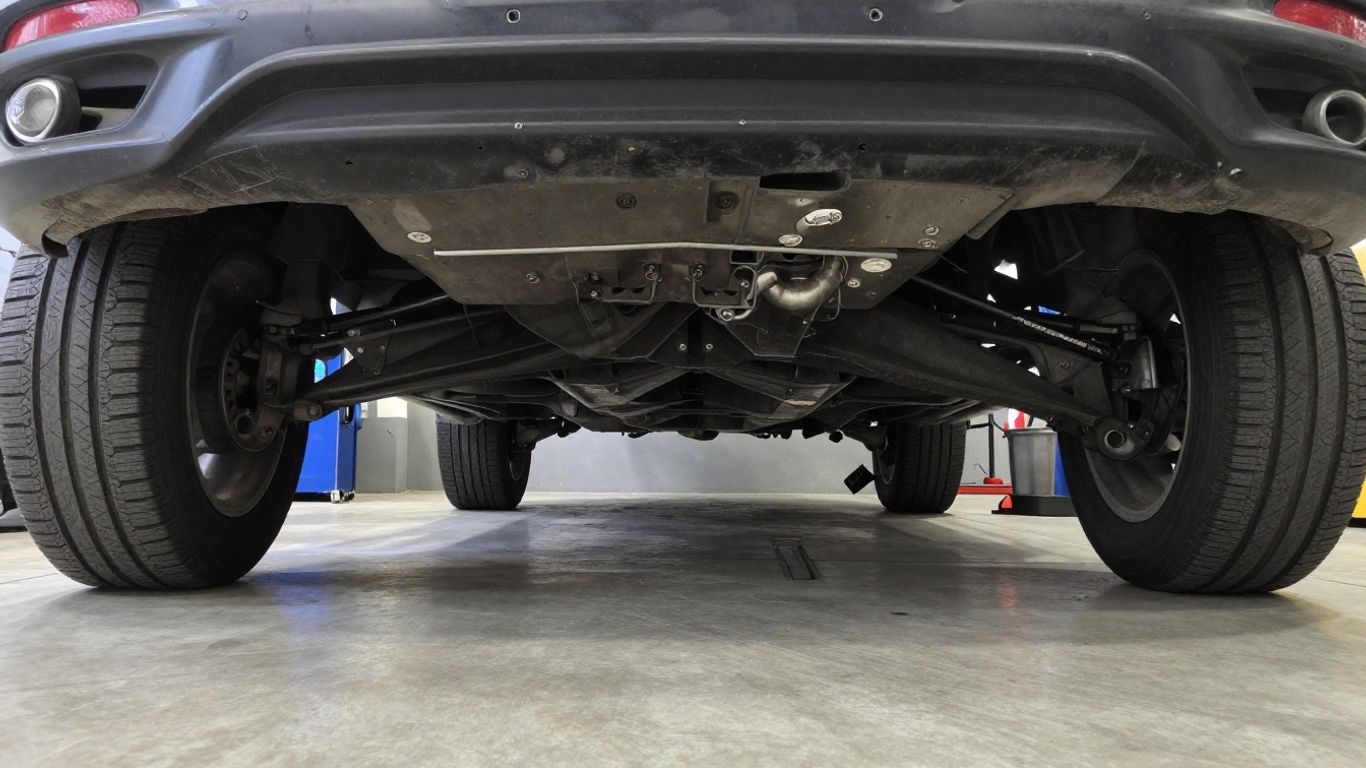
Towing and diagnostic scan fees
Towing may be necessary when the car has no drive, cannot select gears, leaks heavily, or is unsafe to operate. Diagnostic fees can cover electronic scanning, inspection, road testing, and reporting. Some workshops waive part of the diagnostic charge if they complete the repair, while others charge it separately regardless of the outcome.
Before authorising a tow, ask where the vehicle will be taken and whether the receiving workshop accepts the transmission type. A second tow between a general mechanic and a specialist can quickly add to the original estimate.
Transmission fluid, filters, and seals
Fresh fluid, a filter, pan gasket, seals, and cleaning materials should be clearly listed. The correct fluid specification matters, particularly for CVTs and other specialised systems. Using an unsuitable fluid or skipping a filter can undermine an otherwise expensive installation.
Check the fluid quantity and disposal charges as well. Some transmissions require a larger fill after cooler or line work, and the final level may need to be set at a particular temperature or through a defined procedure.
Cooling system and electrical repairs
Transmission heat is managed through a cooler, lines, airflow, and the wider vehicle cooling system. A blocked cooler or damaged line can contribute to repeat failure, so it may need cleaning or replacement. Electrical faults, damaged connectors, sensors, and control-module issues can also prevent a replacement unit from operating correctly.
A quote that includes only “remove and refit” may not cover these checks. Ask what testing is performed after installation and whether the workshop verifies operating temperature, fluid level, fault codes, and shift quality.
Vehicle hire, downtime, and unexpected workshop charges
A replacement may take longer than a simple repair, especially if the unit is ordered or the workshop discovers related damage. Budget for rideshare costs, public transport, a hire car, lost work time, and possible storage charges. Ask when billing begins if the vehicle is waiting for parts.
It is reasonable to request approval before extra work exceeds a stated amount. Written authorisation protects both sides and gives you a chance to reconsider if the revised total no longer suits the vehicle’s value.
How to get an accurate replacement quote
The most useful quote is specific enough for two workshops to price the same job. Give the specialist accurate vehicle information and a clear description of what happened, including when the symptoms began. Ask for assumptions to be written down rather than left to a verbal conversation. That small amount of preparation can prevent misunderstandings later.
What information to provide the transmission specialist
Provide the registration or VIN, make, model, build year, engine, drivetrain, kilometres, and transmission type if known. Describe warning lights, noises, leaks, slipping, delayed engagement, and whether the vehicle still drives. Mention recent servicing, previous transmission work, towing use, modifications, and any accident or water damage.
Photos of leaks, dashboard warnings, or damaged parts can help, but they do not replace an inspection. If another workshop has already scanned the car, share the report and ask whether the codes have been independently confirmed.
Questions to ask about parts and labour
Ask whether the proposed unit is new, used, rebuilt, or remanufactured, and whether it is the correct transmission code. Clarify the labour hours, hourly rate, fluid, filter, programming, cooler work, freight, core charge, and disposal. Also ask who performs the final road test and what happens if the first diagnosis proves incomplete.
A direct question about exclusions is often more useful than asking only for the cheapest price. It encourages the workshop to explain the boundaries of its estimate before the vehicle is dismantled.
How to compare itemised quotes
Put quotes side by side and compare like with like. One workshop may bundle fluid and programming while another lists them separately, so the headline total can mislead. A simple comparison table can expose those differences:
| Quote item | Workshop A | Workshop B | Check before choosing |
|---|---|---|---|
| Replacement unit | Included or separate | Included or separate | Type, code, mileage |
| Removal and installation | Labour hours | Labour hours | Hourly rate and assumptions |
| Fluids and consumables | Included or separate | Included or separate | Correct specification |
| Warranty | Terms and duration | Terms and duration | Parts and labour coverage |
After normalising the inclusions, consider turnaround time, warranty support, testing, and the workshop’s experience with your vehicle. The lowest adjusted total may not be the cheapest option over the next few years.
Warning signs of an incomplete or unreliable estimate
Be cautious if the quote does not identify the transmission, omits the warranty, or uses a single vague line such as “replacement fitted.” A price that is substantially below the others may exclude freight, fluid, programming, or labour needed to correct related faults. Pressure to approve immediately is another reason to pause.
Ask for the diagnostic evidence and a written list of exclusions. If the workshop will not explain what happens when hidden damage is found, you do not yet have a dependable basis for comparison.
Ways to reduce automatic transmission replacement costs
Reducing the bill does not always mean choosing the cheapest unit. It can mean diagnosing the fault earlier, comparing a few properly specified options, and preventing the replacement from failing again. A careful decision also considers how long you plan to keep the vehicle. That broader view usually produces a more realistic saving.
Comparing specialist workshops with dealerships
Obtain at least one dealership quote and one quote from a reputable independent specialist when practical. Compare the exact unit, labour scope, diagnostic process, warranty, and expected completion date. A specialist may offer more exchange-unit options, while a dealership may be more familiar with factory procedures for a newer vehicle.
Do not compare an installed, warranted quote with a parts-only price. If you are also planning a wider vehicle project, the same principle applies to commercial replacement budgeting: define the full scope before judging the initial figure.
Considering remanufactured or used units
A used unit can reduce upfront cost, but ask for mileage, source, testing evidence, and return terms. A remanufactured unit may cost more while offering a clearer process and warranty. New units are usually the most expensive choice, though they may make sense for a newer or high-value vehicle.
The decision should reflect the car’s age, market value, expected ownership period, and the consequences of another failure. A low-cost unit is poor value if its condition is unknown and installation labour must be paid again.
Checking warranties and return policies
Read the warranty before approving the job, not after a problem appears. Confirm whether labour, towing, diagnostics, seals, and consequential damage are covered, and whether servicing must be completed by the supplier. For a supplied unit, check who handles a claim and how quickly a replacement can be provided.
Return policies also matter for used and exchange units. A core charge may be refundable only when the old transmission is returned in an acceptable condition, so ask about that requirement in advance.
Preventing repeat transmission failure through maintenance
Follow the manufacturer’s fluid and filter requirements, repair leaks promptly, and investigate overheating or shifting changes early. Use the specified fluid and avoid treating a warning light as something that will resolve by itself. If the vehicle tows or operates in severe conditions, ask whether the maintenance schedule needs adjustment.
For a broader cost-planning perspective, IT support costs and marketing automation software are unrelated subjects, but they illustrate the same budgeting lesson: recurring maintenance and service conditions should be included rather than ignored. Keep the transmission point practical—service records, correct fluid, cooling-system checks, and prompt diagnosis are what protect the replacement.
Conclusion
The automatic transmission replacement cost Australia drivers face depends on far more than the replacement unit alone. Diagnosis, transmission type, labour, related components, warranty, freight, and downtime all shape the final bill. Get an itemised quote, compare equivalent options, and choose the repair path that matches both the vehicle’s condition and how long you intend to keep it.
Frequently Asked Questions
How much does automatic transmission replacement cost in Australia?
A broad planning range is about AUD 3,000 to AUD 10,000 or more, but the exact figure depends on the vehicle, transmission, parts source, labour, and related repairs.
Is it cheaper to rebuild an automatic transmission?
A rebuild can cost less than a new replacement, particularly when the casing and major components remain usable. Its value depends on the rebuild scope, parts used, testing, and warranty.
Can a transmission problem be repaired without replacement?
Yes, some faults involve fluid leaks, sensors, solenoids, wiring, or other external components. Testing is needed to establish whether the internal transmission is damaged.
Are used transmissions worth considering?
A used unit may lower the upfront cost, but its mileage, history, testing, compatibility, and warranty should be confirmed before installation.
What symptoms suggest automatic transmission failure?
Common warning signs include slipping, delayed engagement, harsh or shuddering shifts, unusual noises, fluid leaks, dashboard warnings, and loss of drive.
How long does transmission replacement take?
Straightforward jobs may take several days, while parts delays, additional repairs, programming, or warranty issues can extend the timeline. Ask for an estimated completion date and its assumptions.
What should an automatic transmission quote include?
It should identify the unit and warranty, removal and installation labour, fluid, filter, seals, diagnostics, programming, freight, core charges, taxes, and any stated exclusions or approval limits.