

Key Takeaways
A transmission replacement is a major repair, but careful diagnosis and supplier selection can prevent unnecessary expense.
- Confirm the fault before approving a replacement.
- Compare new, remanufactured, used, and rebuilt units.
- Match the transmission to the engine, transfer case, and electronics.
- Request a written quote that separates parts, labor, fluids, and extras.
- Choose a specialist who understands your vehicle and intended use.
Understand when your 4×4 needs a transmission replacement
Transmission problems can begin with a small hesitation and progress to complete loss of drive. A 4×4 may also develop symptoms in the transfer case or differentials, making the original fault harder to identify. If you are researching 4×4 transmission replacement Australia, start with a proper inspection rather than assuming the whole unit must be changed.
Warning signs of serious transmission failure
Grinding, slipping, delayed engagement, harsh shifts, burning fluid, and repeated loss of reverse are all reasons to stop treating the problem as a minor adjustment. Metal particles in the fluid, a loud bearing noise, or a transmission that will not select gears can indicate internal damage. Continuing to drive while it is slipping may increase heat and spread debris through the hydraulic system.
How diagnostic testing confirms the problem
A specialist normally combines a road test with fluid inspection, fault-code scanning, pressure testing, and a physical check of linkages and wiring. The results help separate an internal gearbox fault from a failing sensor, solenoid, torque converter, clutch, or transfer-case component. Ask for the findings in plain language, including what was tested and why replacement is recommended.
When repairs or a rebuild may be enough
A repair may be sensible when the damage is limited to an external seal, solenoid, sensor, cooler line, or other serviceable component. A rebuild can suit a transmission with a sound case and salvageable hard parts, although the final decision depends on teardown findings. A transparent workshop should explain the alternatives instead of presenting replacement as the only possible answer.
How transmission failure can affect the transfer case and drivetrain
A failing transmission can send abnormal vibration, heat, or contaminated fluid into connected components. The transfer case, driveshafts, differentials, mounts, and axles should therefore be checked before the vehicle is returned to service. If the vehicle has been driven with severe shuddering or no lubrication, a transmission-only quote may not cover the full repair.
Compare 4×4 transmission replacement options
The cheapest unit is not automatically the best value. Consider the vehicle’s age, service history, availability of parts, expected workload, and the supplier’s warranty terms. A unit that is correct for a standard commuter may be a poor choice for frequent towing or remote touring.
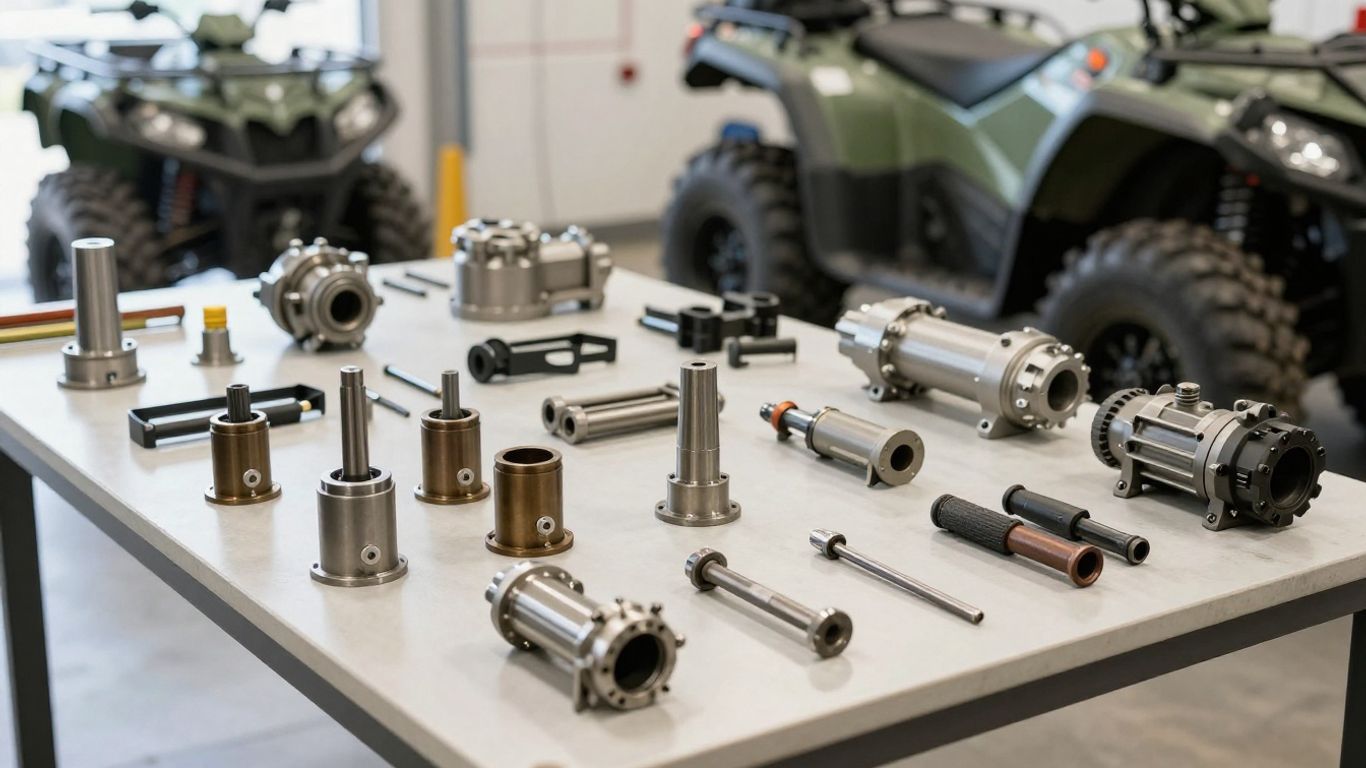
Brand-new genuine transmissions
A brand-new genuine assembly generally offers the clearest parts specification and a straightforward fit when the correct unit is available. It may also include associated components supplied as part of the assembly. Wholesale Automatic Transmissions lists brand-new genuine automatic transmission assemblies that include a new, boxed torque converter, making this option worth comparing when prompt supply matters.
Reconditioned and remanufactured units
Reconditioned and remanufactured transmissions vary considerably, so ask what was replaced, what was measured, and whether the unit was tested before dispatch. A reputable supplier should state whether hard parts were inspected or renewed and provide clear warranty conditions. The quality of the process matters more than the label used in the advertisement.
Used transmissions from reputable suppliers
A used transmission can reduce the initial parts cost, particularly for an older 4×4. Its mileage, donor vehicle, storage history, compatibility, and return policy should be documented before installation. Because an unknown used unit may carry its own wear, compare the saving with the labor cost of fitting a replacement that later needs to come out again.
Rebuilding your existing transmission
Rebuilding the original unit preserves a transmission already known to belong with the vehicle, and it can allow the technician to address wear found during teardown. It is most attractive when the case, shafts, and major hard parts remain usable. Get the rebuild scope in writing, including replaced friction materials, seals, bearings, testing, and warranty coverage.
Choose the right transmission for your 4×4
Fitment involves more than matching a model badge. The transmission must work with the engine output, transfer case, control modules, wiring, cooling system, and final-drive arrangement. Tell the specialist how the vehicle is actually used, because a lightly loaded daily driver and a heavily equipped touring rig place different demands on the same drivetrain.
Automatic versus manual replacement considerations
Automatic and manual units differ in clutch or torque-converter requirements, control systems, cooling, pedal hardware, and calibration. An automatic replacement may require programming or relearning, while a manual installation may involve the clutch, flywheel, hydraulics, or gear linkage. Confirm every related component before comparing prices between the two configurations.
Matching the transmission to the engine and drivetrain
Check the exact engine code, transmission code, build year, gear ratios, output shaft, bellhousing pattern, and four-wheel-drive arrangement. Even closely related models can use different connectors, mounts, or internal ratios. The vehicle identification number and original unit identification plate are useful starting points for avoiding an expensive mismatch.
Checking transfer case, differential, and electronic compatibility
The replacement should be checked against the transfer case input, differential ratios, speed signals, electronic control module, and required software. Tire diameter and aftermarket engine tuning can also affect shift behavior and load. Compatibility should be verified before the unit is ordered, not discovered after the vehicle is on the hoist.
Differences between touring, towing, and off-road setups
Towing increases heat and sustained load, while off-road driving can add shock loads, low-speed work, water exposure, and awkward traction conditions. Touring vehicles may carry extra fuel, tools, armor, and camping equipment for long periods. Discuss cooling, gearing, servicing, and protection measures with the specialist, but avoid paying for modifications that do not match your real use.
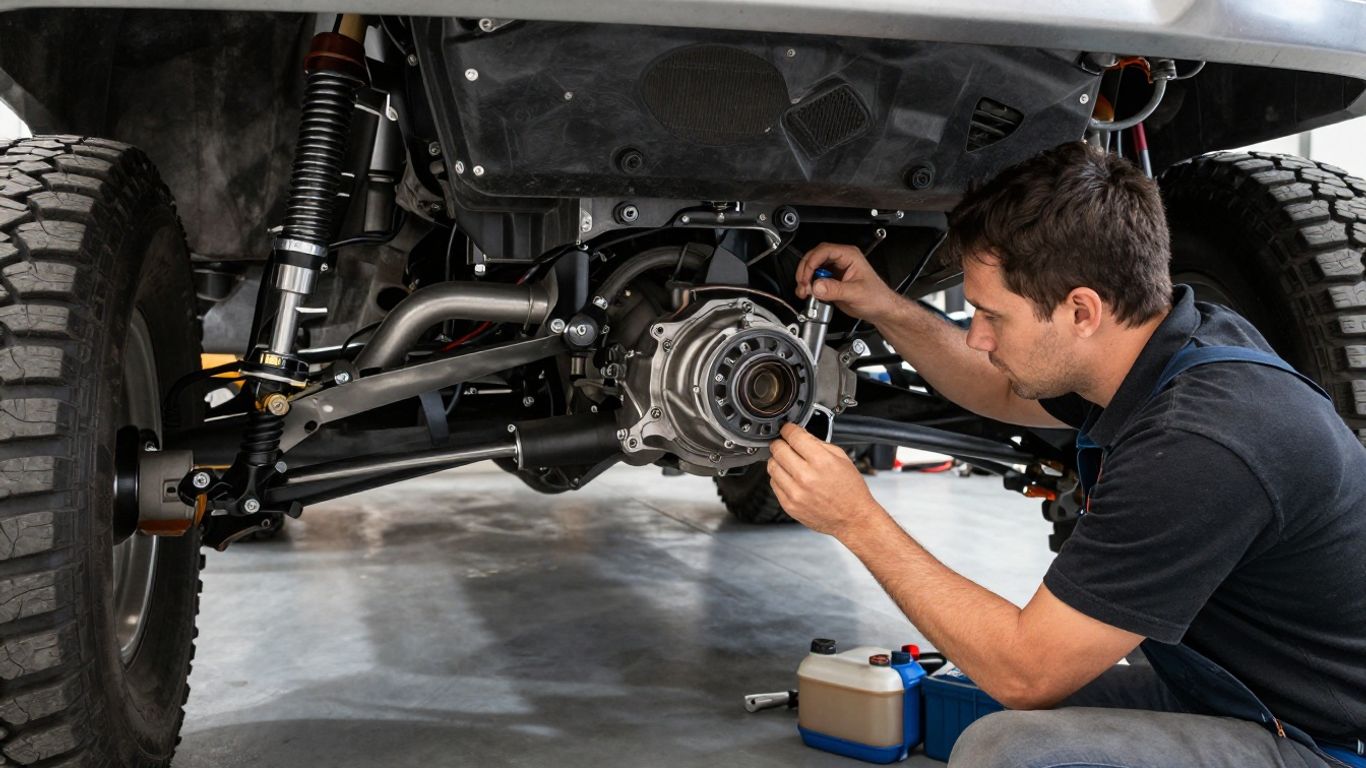
Estimate 4×4 transmission replacement costs in Australia
There is no single national price because transmission designs, vehicle access, parts supply, and workshop rates differ widely. A sound estimate starts with diagnosis and identifies what is included. Be cautious of a low headline figure that excludes programming, fluid, freight, or the transfer-case work discovered during removal.
Main factors that affect the total price
The main variables are the transmission type, replacement source, vehicle layout, labor time, freight, and the amount of related wear. Rust, seized fasteners, aftermarket accessories, and restricted access can add time. Remote locations may also increase transport costs and extend the period the vehicle is unavailable.
Parts, labor, fluids, and diagnostic charges
A written estimate should distinguish the unit itself from removal and installation labor, fluids, filters, seals, programming, road testing, and diagnostic work. Ask whether the quote includes a new torque converter where relevant and whether old-unit exchange requirements apply. This breakdown makes it easier to compare two genuinely similar offers.
Additional costs for transfer case or drivetrain repairs
During replacement, technicians may find worn mounts, damaged driveshaft joints, leaking seals, a tired cooler, or transfer-case damage. These items can be legitimate additions, but they should be photographed or explained before approval. Setting aside a contingency is sensible, especially when the original failure involved noise, contamination, or prolonged slipping.
Questions to ask for an accurate written quote
A few direct questions can expose gaps before work begins. Ask which exact unit will be supplied, whether the quote is fixed or conditional, how long the warranty lasts, and what happens if compatibility problems appear. Also ask who pays for diagnosis, freight, additional parts, and removal if a warranty issue occurs.
| Quote item | What to confirm | Why it matters |
|---|---|---|
| Replacement unit | New, remanufactured, rebuilt, or used | Condition affects risk and price |
| Labor | Removal, installation, and testing included | Access and testing can be time-consuming |
| Fluids and parts | Correct fluid, filter, seals, and converter | Missing service items create extra charges |
| Electronics | Programming, coding, or relearning | Modern vehicles may not drive correctly without it |
Use this breakdown when requesting offers so that the lowest number does not win simply by leaving out necessary work. A trustworthy quote should make assumptions visible and explain any allowance that cannot be confirmed until teardown.
Find a qualified 4×4 transmission specialist
The right workshop should be able to diagnose the vehicle, source a compatible unit, install it correctly, and stand behind the finished work. Location is useful, but technical experience and communication matter more than a convenient postcode. Read the warranty and quote before handing over the keys.
Experience with your vehicle make and model
Ask how often the workshop handles your make, transmission family, and four-wheel-drive system. Experience with a similar vehicle is helpful, but exact specification still matters because mid-year changes can affect electronics and mounting. A specialist should be willing to inspect the vehicle rather than promise a diagnosis from symptoms alone.
Workshop equipment and diagnostic capabilities
Look for suitable scan equipment, pressure-testing capability, fluid-service equipment, lifting gear, and a clean area for transmission work. Diagnostic tools do not replace experience, but they help identify control faults and confirm post-installation operation. S&G Gearbox Exchange describes experience with 4WD gearboxes and transfer cases alongside testing equipment, which illustrates the kind of capability to ask about.
Parts sourcing, warranties, and turnaround times
Ask where the replacement comes from, whether it is tested, how freight is handled, and what the warranty excludes. Turnaround depends on diagnosis, parts availability, vehicle complexity, and whether additional damage is found. If you rely on the vehicle for work or travel, get an estimated completion window and update process in writing.
Comparing local specialists, dealerships, and national suppliers
A dealership may offer direct access to vehicle records and genuine parts, while an independent specialist may provide broader rebuild and repair experience. A national supplier can be useful when local stock is limited, but installation responsibility must be clear. For broader research, local transmission specialists can help you compare availability and booking options without replacing the need for your own technical questions.
Understand the replacement process
A careful replacement is a sequence of checks, not simply a remove-and-refit job. The workshop should document the original symptoms, confirm the supplied unit, protect surrounding components, and test the vehicle afterward. Clear approval points help prevent surprise work while still allowing legitimate findings to be addressed.
Vehicle inspection and transmission removal
The process usually begins with a visual inspection, scan, road test where safe, and confirmation of fluid condition. Technicians then disconnect the battery and relevant lines, wiring, shafts, mounts, and transfer-case connections before supporting and removing the transmission. The removed unit should be retained until the agreed inspection or exchange requirements are complete.
Component checks before installation
Before the replacement goes in, the workshop should inspect mounts, crossmembers, cooler lines, wiring, connectors, driveshafts, seals, and the transfer-case interface. The torque converter, clutch components, flywheel, or flexplate may also require attention depending on the vehicle. These checks reduce the chance that a related fault damages the replacement.
Installation, programming, and fluid servicing
Installation includes correct fastening, alignment, connection of electrical and hydraulic systems, and filling with the specified fluid. Some modern 4x4s need module programming, clutch adaptation, or a relearn procedure. The workshop should record the fluid type and quantity and explain any unusual post-installation behavior that requires monitoring.
A short checklist is useful when collecting the vehicle:
- Confirm the replacement unit and warranty documents.
- Check that the correct fluid and filter service were completed.
- Ask whether programming or adaptive relearning was required.
- Confirm the road-test findings and any follow-up appointment.
The checklist should support the handover conversation, not replace it. A technician who explains what was done and what to watch for gives you a much better chance of identifying a problem early.
Road testing and final performance checks
The final test should cover cold and warm operation, forward and reverse engagement, normal shifts, low-range selection where appropriate, and warning-light checks. The technician should listen for abnormal noise and confirm there are no leaks after the vehicle reaches operating temperature. Keep the first few drives varied but gentle while you make sure the transmission behaves consistently.
Protect your replacement transmission after installation
Good installation can be undermined by neglected servicing or excessive heat. Follow the workshop’s written instructions and keep invoices, fluid specifications, scan reports, and warranty paperwork together. Early attention to a new leak, flare, shudder, or warning light is far cheaper than waiting for a second major failure.
Correct break-in and maintenance procedures
Some replacement or rebuilt units need a measured break-in period, especially when internal friction materials have been renewed. Avoid hard launches and heavy towing until the specialist’s recommended distance or procedure is complete. Do not add aftermarket additives or change the fluid type without confirming compatibility.
Towing, payload, and off-road driving precautions
Stay within the vehicle’s towing and payload ratings, and remember that accessories and passengers reduce available payload. Heat rises during slow, heavy work, deep sand, steep climbs, and long towing runs. Use the correct range, avoid unnecessary wheelspin, and stop to investigate burning smells, slipping, or unusual temperature behavior.
Servicing intervals and fluid inspection
Service intervals depend on the vehicle, fluid, usage, and replacement unit, so follow the manufacturer and specialist recommendations. Check for leaks around the pan, cooler lines, seals, and transfer case, and have fluid level and condition checked using the correct procedure. Severe service may justify shorter intervals than ordinary road use.
What a transmission warranty should cover
Read whether the warranty covers parts, labor, removal, refitting, freight, diagnosis, and consequential damage. Confirm the required servicing records and exclusions for towing, modifications, water crossings, or commercial use. If a problem appears, stop driving when safe and contact the supplier promptly rather than authorizing unrelated repairs without documentation.
Conclusion
A successful 4×4 transmission replacement in Australia begins with accurate diagnosis and ends with correct matching, careful installation, and disciplined maintenance. Compare the full scope of each option, ask for a transparent written quote, and choose a specialist who can explain both the transmission and the connected drivetrain.
Frequently Asked Questions
How do I know whether my 4×4 needs a transmission replacement?
Severe slipping, grinding, loss of drive, contaminated fluid, or repeated engagement failure may indicate internal damage, but testing is needed to distinguish replacement from repair or rebuilding.
Is a rebuilt transmission better than a used one?
A rebuild may offer more known internal work, while a used unit may cost less initially. The better choice depends on condition, documentation, compatibility, warranty, and the labor risk of fitting it.
How long does a 4×4 transmission replacement take?
Time varies with vehicle layout, parts availability, workshop workload, programming requirements, and additional drivetrain repairs. Ask for an estimated window before approving the job.
Should the transfer case be serviced during replacement?
It should at least be inspected for leaks, wear, contamination, and compatibility. Servicing or repair is warranted when testing or fluid condition identifies a related problem.
What should a transmission replacement quote include?
It should identify the unit, labor, fluids, filters, seals, programming, diagnostics, freight, warranty terms, and possible additional costs for related drivetrain work.
Can I tow immediately after a transmission replacement?
Follow the specialist’s break-in instructions. Even if towing is permitted, use the correct load limits, monitor heat and shift behavior, and avoid severe conditions until the unit has been checked.
How can I protect the replacement transmission?
Use the specified fluid, observe service intervals, keep the transmission cool under load, stay within payload limits, and address leaks, warning lights, slipping, or unusual noises promptly.