

Key Takeaways
Choosing among the best transmission specialists near me takes more than comparing a few advertised prices. Look for relevant experience, sound diagnostics, clear communication, and support that remains useful after the repair.
- Confirm the shop regularly handles transmission work like yours.
- Ask how technicians are trained and how problems are diagnosed.
- Compare services, parts, estimates, warranties, and repair explanations.
- Read recent reviews for patterns rather than isolated praise or complaints.
- Weigh convenience and long-term value alongside the initial price.
1. Check transmission-specific experience
A transmission problem can involve fluid, electronics, hydraulics, internal components, or related driveline parts. The best transmission specialists near me should be able to explain which kinds of vehicles and transmission systems they regularly service. Ask whether the shop has handled your vehicle’s make, model, age, and transmission type before.
Experience is more useful when it is specific. A shop that routinely works on automatic transmissions may not have the same depth with manuals, continuously variable transmissions, performance applications, or older designs. Ask what symptoms the technicians see most often and how they distinguish a minor service need from internal damage.
You can also ask for examples of the shop’s process without demanding confidential customer details. A careful answer should cover inspection, testing, and communication rather than promising that every repair will have the same result. For broader background on evaluating repair providers, transmission repair experience can be a useful point of comparison.
2. Verify certifications and technician training
Certifications do not replace judgment, but they can show that a technician has completed relevant training and works to a recognized standard. Ask which certifications are current, who will diagnose the vehicle, and whether technicians receive continuing education as transmission designs change. The answer should be clear rather than defensive.
Training also includes familiarity with scan tools, service information, measurement equipment, and safe teardown procedures. A shop may have experienced people without every technician holding the same credentials, so ask who will be responsible for your vehicle. This is especially helpful when the symptoms are intermittent or the repair involves several systems.
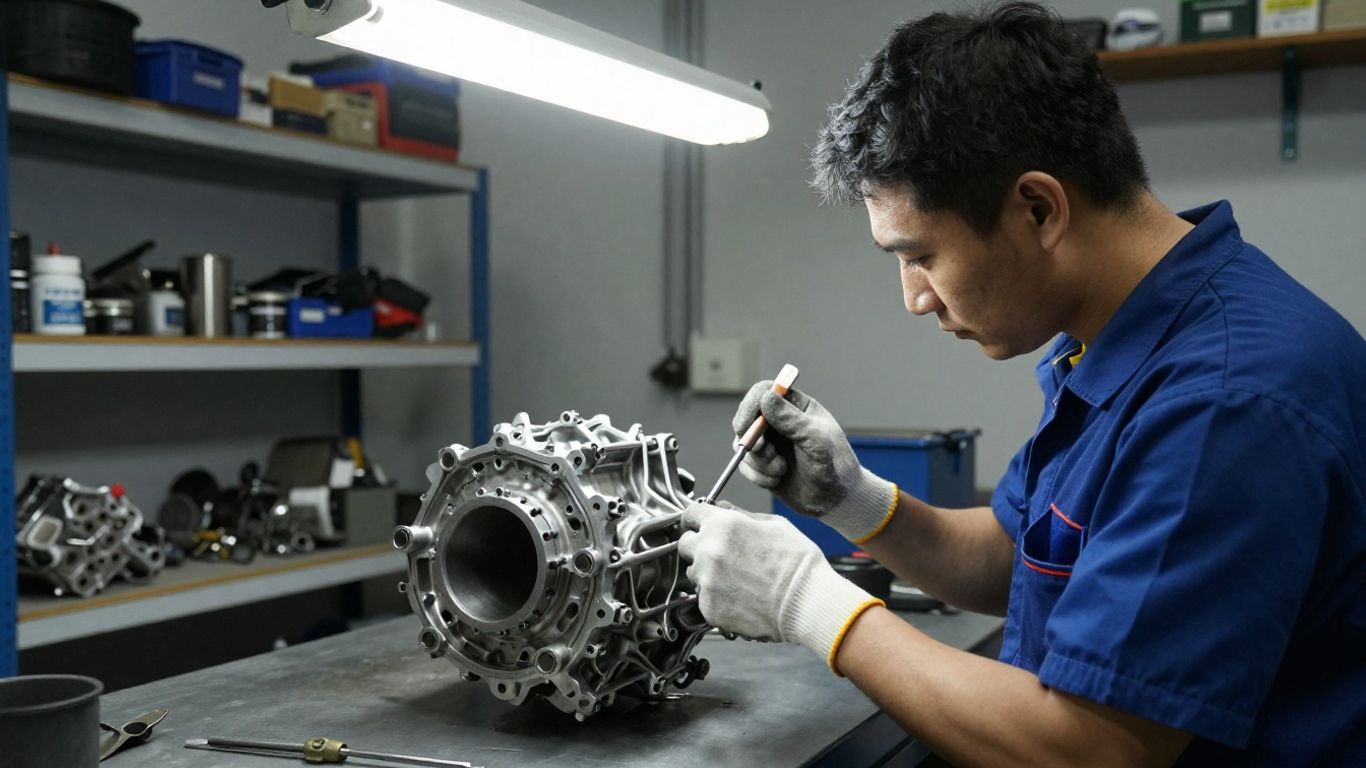
A useful conversation focuses on how qualifications affect the work in front of you. You do not need a long list of acronyms; you need confidence that the person inspecting the vehicle understands the system and can explain the findings in plain English.
3. Compare the transmission services offered
A shop’s service menu tells you whether it can support the full path from diagnosis to repair. Compare routine maintenance, fluid service, electronic diagnosis, rebuilds, replacements, and related driveline work, but do not assume that a listed service applies to every vehicle. Ask what is actually recommended after inspection.
The following comparison can help organize your questions before you call. It separates common service categories from the questions that make an advertised offering meaningful.
| Service area | Question to ask | Why it matters |
|---|---|---|
| Maintenance | What fluid and procedure does my vehicle require? | Prevents a generic service from being treated as universal. |
| Diagnostics | What testing is included before repair approval? | Clarifies how the cause will be identified. |
| Rebuild or repair | Which components are inspected or replaced? | Defines the work beyond a broad label. |
| Replacement | Are new, remanufactured, or used units available? | Helps you compare fit, cost, and coverage. |
After reviewing the menu, ask the shop to connect each possible service to your symptoms and inspection results. A provider that explains why a service is appropriate is more useful than one that simply lists the most expensive option first.
4. Read recent customer reviews
Reviews can reveal how a shop communicates when work becomes complicated, not just whether customers liked the waiting room. Focus on recent comments that describe diagnosis, estimates, timeliness, repair quality, and follow-up. A repeated pattern is more informative than one glowing review or one angry account.
Pay attention to how the business responds publicly. Professional replies cannot prove that every repair was handled perfectly, but they may show whether the shop takes questions seriously and protects customer privacy. Be cautious with reviews that make sweeping claims without describing the vehicle, service, or circumstances.
Use reviews as a prompt for questions rather than a substitute for them. If several people mention changing estimates, ask how approvals are documented; if customers praise explanations, ask whether you will receive photos, measurements, or written findings. That approach turns online impressions into something you can verify directly.
5. Confirm diagnostic capabilities
Good diagnosis comes before a confident repair recommendation. Ask what information the shop gathers, whether it road-tests the vehicle when appropriate, and how technicians check for electronic, mechanical, and related causes. A quick code scan can be useful, but it is not always the same as identifying the failed component.
The diagnostic process should end with an explanation of what was tested and what remains uncertain. Ask whether the inspection fee is separate, whether it is credited toward approved work, and whether you will receive a written report. Clear boundaries help prevent a vague symptom from turning into an open-ended repair bill.
Transmission Specialists describes its documented offering as transmission repairs, parts, services, and diagnostics, including transfer cases and differentials. That scope makes the provider a relevant example when you are asking whether a shop’s diagnostic work extends beyond the transmission housing itself.
6. Ask about warranties on repairs
A warranty should be specific enough for you to understand what protection you are receiving. Ask about duration, mileage limits, covered parts and labor, exclusions, and whether warranty work must return to the original shop. Also ask what paperwork you will need if a concern appears later.
Do not treat a longer warranty as automatically better. Its value depends on the parts used, the quality of the repair, the shop’s procedures, and how practical it is to obtain service. Read the terms before approving work, especially when a replacement unit comes from another supplier.
Transmission Specialists’ available information mentions customizable warranties, with details to be confirmed directly. That is a useful reminder to request the actual written terms instead of relying on a general promise that the repair is “covered.”
7. Request clear estimates and repair explanations
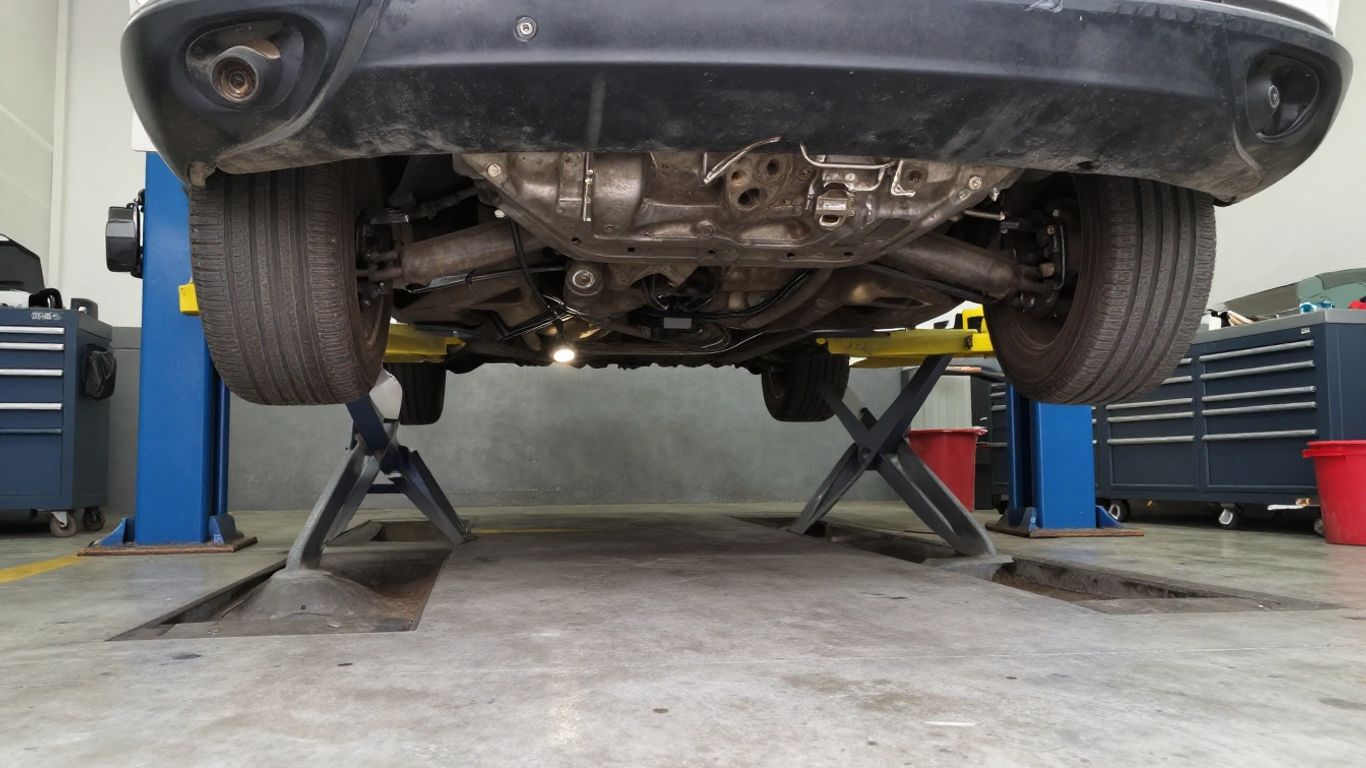
A written estimate should identify the suspected problem, proposed work, parts, labor, taxes or fees, and assumptions that could change the price. Ask whether teardown is included and when the shop will contact you for additional approval. A clear estimate protects trust because both sides know what authorization means.
Before you approve anything, ask the advisor to explain the findings in ordinary language. It is reasonable to ask what happens if you delay the repair, which work is urgent, and which recommendations are preventive. You should leave the conversation knowing what the vehicle needs and why.
A short question list can keep a stressful call focused:
- What did the inspection confirm, and what is still uncertain?
- Which parts and labor are included in this estimate?
- What additional cost requires my approval?
- What warranty and follow-up process apply?
Once those answers are recorded, compare estimates on equal terms. The lowest number may omit diagnosis, necessary parts, fluid, calibration, or warranty support, while a higher number may include work another shop left unstated.
8. Evaluate parts and replacement options
Ask whether the proposed repair uses new, remanufactured, rebuilt, or used parts. Each option can have different pricing, availability, expected service life, and warranty terms. The right choice depends on the vehicle, the failed component, and your plans for keeping it.
A shop should be able to explain why a particular part is being recommended and whether it meets the vehicle manufacturer’s requirements. Ask who supplies it, how it is inspected, and what happens if it arrives damaged or does not perform as expected. Avoid approving a part based only on a vague “best available” description.
Replacement decisions can also affect timing. Ask whether the part is in stock, how long delivery usually takes, and whether the estimate changes if the preferred option is unavailable. Those details make it easier to compare a repair plan honestly and avoid surprises midway through the job.
9. Consider location, availability, and towing support
Distance matters when a vehicle cannot be driven, when a repair needs follow-up, or when warranty work requires another visit. Check the shop’s hours, appointment process, parking arrangements, and expected turnaround time. A convenient location is helpful, but reliable communication may matter just as much.
Ask whether the business coordinates towing, accepts after-hours drop-offs, or can advise you about safe transport. Do not assume towing is included in the repair estimate. Confirm who pays, where the vehicle will be taken, and whether storage fees apply.
Availability should be judged realistically rather than by a promise of immediate service. A shop that gives you a likely inspection window and calls when circumstances change may be preferable to one that guarantees a fast completion without examining the vehicle. For another example of comparing local access and service scope, local transmission service offers a useful research reference.
10. Compare value instead of choosing by price alone
Price is part of the decision, but it is only one line in the evaluation. Compare diagnostic depth, parts quality, labor included, warranty language, communication, and the shop’s ability to handle the specific transmission. A cheap estimate that leaves key questions unanswered can become expensive later.
Use a simple side-by-side review before choosing. Include the total stated cost, what is excluded, the expected timeline, the warranty, and the person responsible for updates. This makes differences visible and reduces the temptation to choose based on one attractive number.
Value also includes how comfortable you feel authorizing the work. The best transmission specialists near me should make room for reasonable questions, explain uncertainty, and give you a documented path forward. If two estimates are close, dependable communication and transparent terms may be the deciding factors.
Conclusion
Finding a transmission specialist is a process of checking evidence: relevant experience, trained technicians, useful diagnostics, clear estimates, suitable parts, practical support, and warranty terms you understand. Take a little time to compare those details, and the choice becomes less about a catchy claim and more about whether the shop can explain and stand behind the work your vehicle actually needs.
Frequently Asked Questions
How do I find the best transmission specialists near me?
Start with shops that regularly handle your vehicle and transmission type, then compare diagnostic practices, estimates, warranties, reviews, and availability. A short phone call can reveal whether the staff answers specific questions clearly.
What should a transmission specialist inspect first?
The technician should begin with the reported symptoms and vehicle history, then perform appropriate visual, fluid, electronic, and operational checks. The exact sequence depends on the vehicle and the problem.
Is a transmission fluid service always necessary?
Not always. The correct service depends on the vehicle manufacturer’s maintenance requirements, fluid condition, symptoms, mileage, and inspection results. Ask what procedure is recommended and why.
How much should a transmission diagnostic cost?
Diagnostic pricing varies by vehicle, testing required, and shop policy. Ask whether the fee is separate, what it includes, and whether it is applied to approved repairs.
Should I choose a rebuild or a replacement transmission?
That decision depends on the failure, vehicle value, available parts, warranty terms, and the shop’s findings. Request a comparison of total cost, coverage, expected timing, and risks for each option.
What should a transmission repair warranty include?
Review the time and mileage limits, covered parts and labor, exclusions, claim process, and any location restrictions. Keep the written warranty with your estimate and final invoice.
When is towing necessary for a transmission problem?
Towing is usually safer when the vehicle cannot shift, move reliably, or be driven without worsening the problem. Ask the shop whether it recommends a specific transport method and whether towing or storage charges apply.