

Key Takeaways
Transmission trouble often begins with small changes in shifting, sound, smell, or acceleration. Paying attention early can help you decide whether the car needs a prompt inspection or should not be driven.
- Delayed, harsh, or slipping gear changes deserve attention.
- Leaks, burning smells, and unusual noises can indicate transmission stress.
- A warning light does not identify the exact fault by itself.
- Driving with severe slipping or loss of drive can be unsafe.
- Fluid checks, diagnostic scans, and professional inspections help guide repair decisions.
Recognize the most common signs of transmission failure
The signs my transmission is failing Australia drivers notice can vary with the vehicle and transmission type. Some symptoms are obvious, while others appear only when the car is cold, hot, loaded, or climbing a hill. A single symptom does not prove total failure, but a pattern of changes should not be ignored. The following warning signs are useful reasons to arrange a proper check.
Delayed or harsh gear changes
A pause before the vehicle moves into drive or reverse may suggest a hydraulic, fluid, electronic, or internal mechanical issue. Harsh engagement can feel like a bump or jolt through the car, while rough upshifts may become more noticeable in traffic. Record when it happens and whether the engine is cold or warm, since that detail can help a technician.
Transmission slipping between gears
Slipping occurs when engine speed rises but the vehicle does not accelerate as expected, or when the transmission seems to move briefly out of the selected gear. It can also feel like the car is indecisive during acceleration. This is more than an inconvenience because continued slipping creates heat and may worsen wear inside the transmission.
Unusual whining, grinding, or clunking sounds
A new whine, hum, grind, or clunk deserves attention, particularly if it changes when the vehicle shifts or when the accelerator is used. Sound can come from several drivetrain components, so it is not wise to diagnose the exact failed part by ear alone. A short phone recording, made safely while parked if possible, may help communicate the change.
Fluid leaks or a burning smell
A damp patch beneath the vehicle can point to a transmission leak, although fluid may travel from another component before reaching the ground. A burning smell may indicate overheated fluid or friction elsewhere in the drivetrain. Check the owner’s manual before touching or checking fluid, because procedures and fluid appearance differ between vehicles.
Warning lights and dashboard alerts
A check-engine or transmission-related warning light means the vehicle has detected a condition worth investigating. It may be caused by an electronic sensor, solenoid, fluid issue, or mechanical fault, so switching the ignition off does not resolve the underlying problem. Early diagnosis is generally more useful than waiting for the light to disappear.
Understand what different transmission symptoms may indicate
The same complaint can mean different things in an automatic, manual, dual-clutch, or continuously variable transmission. Driving conditions also matter: a symptom during a cold start is not identical to one that appears after a long climb. This section helps narrow the possibilities without treating a general symptom as a confirmed diagnosis.
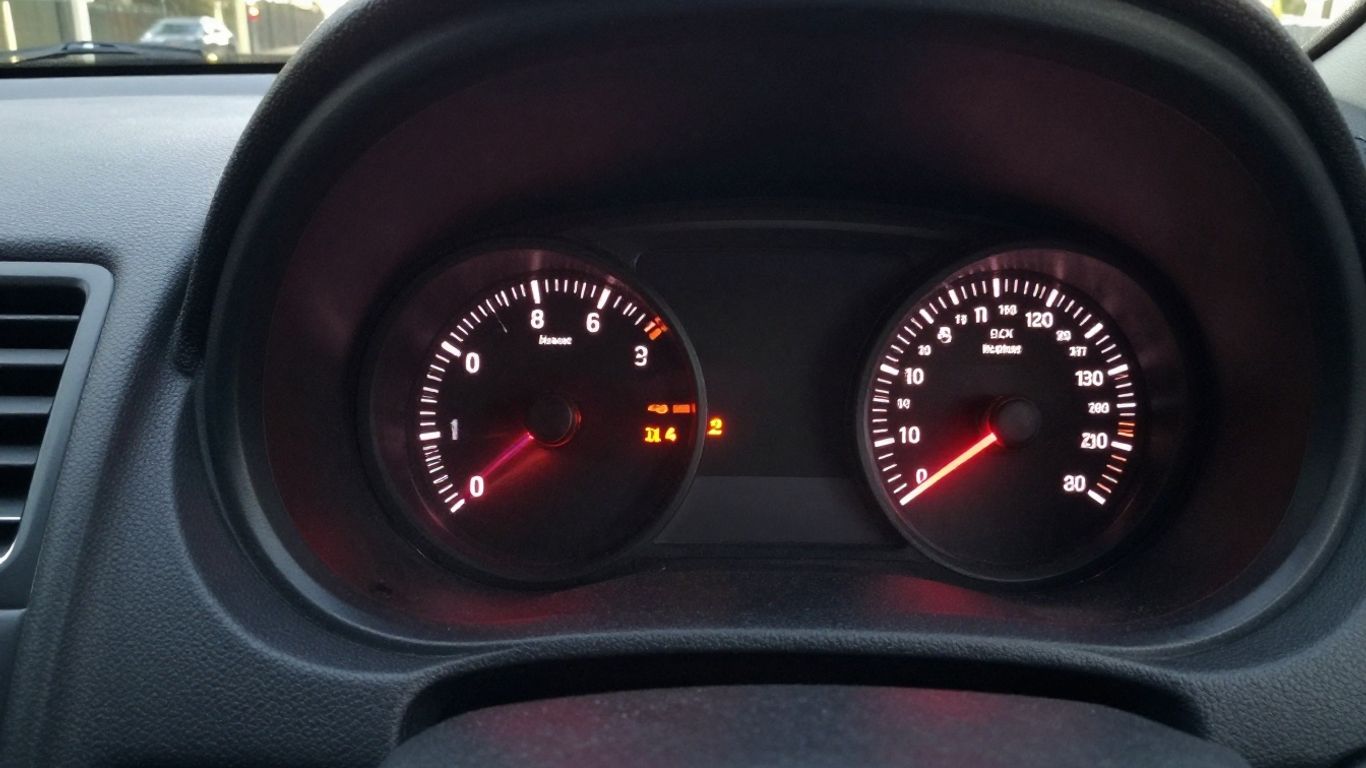
Automatic transmission symptoms
Automatic transmission problems commonly show up as delayed engagement, rough shifting, slipping, or a failure to select a gear. Electronic controls can influence shift timing, while low or degraded fluid can affect hydraulic operation and cooling. Because several systems work together, a scan and physical inspection are safer than assuming the gearbox itself must be replaced.
Manual transmission symptoms
In a manual vehicle, difficulty selecting gears may involve the clutch, linkage, hydraulics, or internal transmission components. A clutch that fails to release fully can make gear selection difficult even when the transmission gears are sound. Grinding during a particular shift, especially with the clutch fully depressed, should be checked rather than forced through repeated attempts.
Dual-clutch and continuously variable transmission issues
Dual-clutch transmissions may feel hesitant or shudder during take-off when clutch control, temperature, calibration, or wear is involved. A continuously variable transmission may produce unusual engine-speed behavior, juddering, or a change in its normal acceleration feel. These systems have distinct operating principles, so the correct diagnostic procedure and fluid specification are especially important.
Problems caused by low or contaminated fluid
Fluid helps lubricate, cool, and support the operation of many transmissions. A low level can allow overheating or poor hydraulic control, while contaminated or incorrect fluid may affect friction materials and shift quality. Do not add a random fluid to test the theory; confirm the specification and checking method first.
Know when a transmission problem is unsafe to drive
Not every warning sign means the vehicle must stop immediately, but some symptoms create a real risk in traffic. Losing drive at an intersection, failing to reverse, or slipping during a merge can leave the driver unable to respond normally. When performance changes quickly, choose safety over convenience and arrange assistance.
Situations that require immediate roadside assistance
Stop driving and seek roadside help if the vehicle will not select a gear, repeatedly drops out of gear, produces severe grinding, or leaks heavily. Smoke, a strong burning smell, or a rapidly worsening warning light also calls for caution. If the car cannot move predictably, it should not be driven to a workshop under its own power.
Risks of continued driving with a slipping transmission
A slipping transmission may suddenly lose acceleration or select a different gear than expected. That can be dangerous when joining fast traffic, crossing an intersection, or travelling uphill. It can also turn a repairable fault into broader internal damage as heat and friction build.
How heat and long-distance driving can worsen damage
Long drives, towing, steep roads, and hot weather place sustained demand on the transmission. If cooling or fluid circulation is already compromised, the added heat may make shifting deteriorate over the journey. A symptom that appears only after the vehicle warms up should still be treated as meaningful, not dismissed because the car behaves normally at first.
What to do if your vehicle loses drive suddenly
Move to a safe position if possible, switch on hazard lights, and call roadside assistance. Avoid repeatedly revving the engine or cycling through gears in an attempt to force movement. Tell the operator what happened, whether fluid is visible, and whether any warning lights or smells appeared.
Check the transmission before booking major repairs
A major repair decision should follow evidence, not just fear after one rough shift. You can gather useful observations without dismantling anything, but avoid crawling under a vehicle that is supported only by a jack. A professional assessment can separate a transmission fault from an engine, clutch, axle, sensor, or cooling-system problem.
Inspect the transmission fluid and leak points
Use the checking process specified by the vehicle manufacturer, including the required temperature and engine state. Look for fresh fluid around the transmission casing, cooler lines, seals, and nearby surfaces, while remembering that fluid can run from higher points. The color and smell may provide clues, but neither replaces a proper diagnosis.
Look for changes in acceleration and engine response
Notice whether engine revs rise without matching road speed, whether engagement is delayed, or whether the vehicle shudders under light throttle. It helps to write down the speed, temperature, road gradient, and selected gear when the symptom occurs. A clear symptom record can prevent an intermittent fault from being reduced to a vague description.
Use diagnostic scans to identify electronic faults
A diagnostic scan can reveal stored fault codes and data from transmission-related sensors or control systems. Codes are clues, not automatic proof that a particular part has failed. The result should be interpreted alongside a road test, fluid assessment, and physical inspection.
Why a professional transmission inspection matters
A qualified technician can assess the complaint in context and explain whether the likely remedy is service, adjustment, component repair, rebuilding, or replacement. Ask for the diagnosis in writing and request a breakdown of parts, labor, fluids, and any additional testing. For general background, this transmission inspection guide also outlines common symptoms such as rough shifting, slipping, and leaks.
Explore common causes of transmission failure in Australia
Australian driving conditions can be hard on a transmission, but there is no single national cause of failure. Urban congestion, long distances, heat, towing, and missed maintenance can combine with ordinary wear. The useful question is not only what symptom appeared, but what operating conditions and service history preceded it.
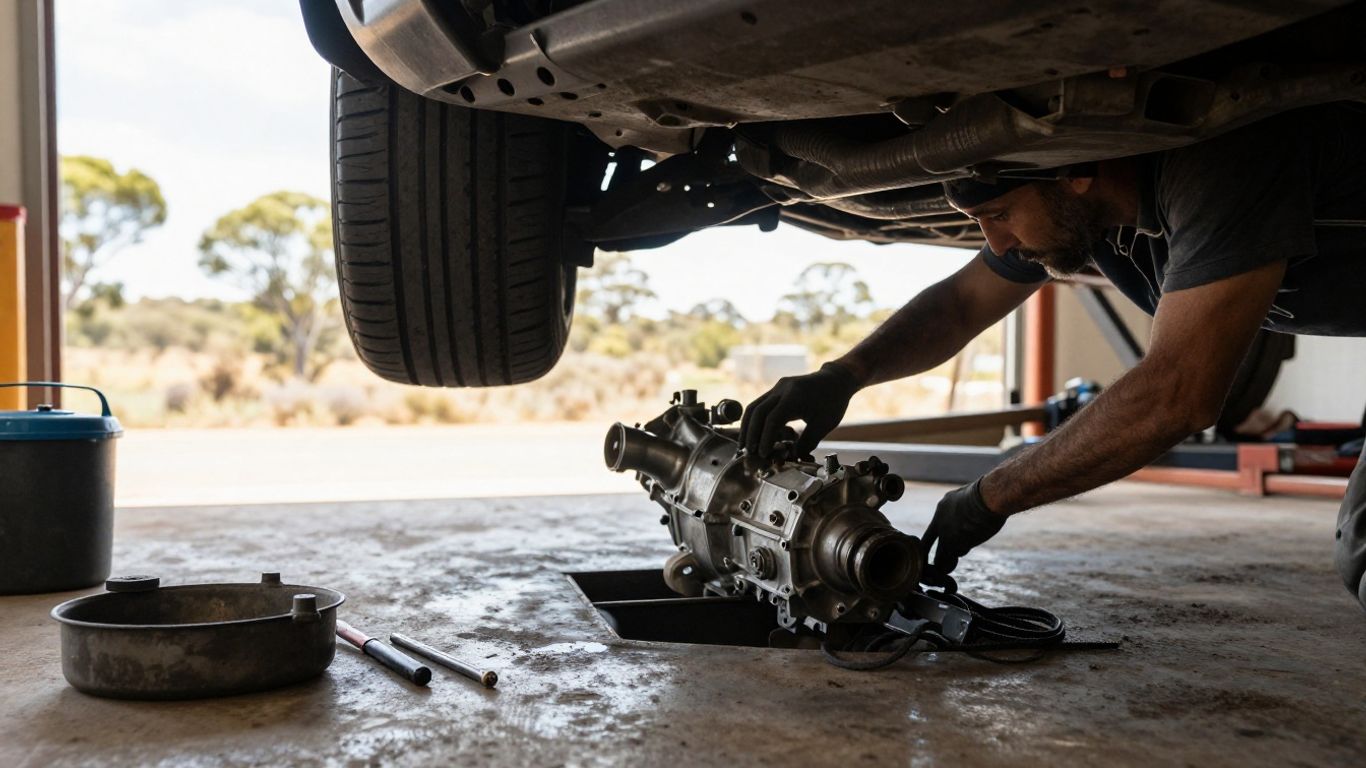
Stop-start traffic and urban driving
Frequent acceleration, braking, and low-speed engagement create repeated shift events and heat. Congested routes may also keep the vehicle moving slowly while the transmission works continuously. Regular servicing and allowing a developing shift problem to be checked can reduce the chance of a small issue becoming a larger one.
Towing, heavy loads, and steep terrain
A trailer, full load, or steep road increases the work required to move the vehicle. Repeatedly towing beyond the manufacturer’s limits can raise transmission temperature and accelerate wear. Use the specified towing procedures and take unusual shifting or overheating seriously after demanding trips.
Extreme heat and demanding driving conditions
High ambient temperatures can reduce the margin available for cooling, especially when the vehicle is carrying weight or travelling long distances. Dust, corrugations, and remote travel may add further demands depending on the vehicle and route. A cooling-system concern can matter to transmission health as well, so it should not be treated as unrelated automatically.
Missed servicing and incorrect transmission fluid
Service intervals exist because fluid, filters, seals, and adjustment points do not remain perfect forever. Using the wrong fluid can alter lubrication and friction behavior even when the level looks correct. Keep receipts and service records, and confirm the exact specification before any top-up or replacement.
Compare transmission repair and replacement options
A transmission does not automatically need replacement because it shifts poorly. The most sensible option depends on the confirmed fault, the condition of related components, the vehicle’s value, and the quality of available parts. Get the diagnosis first, then compare options using the same assumptions.
When a fluid service or adjustment may be enough
A leak repair, correct fluid service, filter replacement, software-related procedure, or adjustment may resolve some early problems. That outcome cannot be promised without testing, particularly if slipping or metal contamination is present. Ask what evidence supports the proposed service and what symptoms should improve afterward.
Rebuilding versus replacing the transmission
Rebuilding usually involves inspecting and replacing selected internal components, while replacement may involve a remanufactured, used, or new unit depending on availability. The labels can cover different scopes of work, so ask exactly what is included. A written warranty and clear statement of included parts make comparisons more meaningful.
How vehicle age and mileage affect the decision
Age and mileage matter because other systems may also need attention, including cooling, driveline, electronics, and mounts. A repair can make sense when the vehicle is otherwise sound, while replacement may be harder to justify if several major expenses are approaching. Consider reliability, intended ownership period, and total cost rather than the transmission invoice alone.
Questions to ask an Australian transmission specialist
Ask whether the diagnosis is confirmed, what alternatives were ruled out, and whether the quoted work addresses the cause or only the symptom. Also ask about parts sourcing, downtime, warranty limits, fluid type, and post-repair checks. Advice about transmission repair choices can provide another general checklist for thinking about servicing, overheating, and maintenance.
Prepare for transmission repair costs in Australia
Transmission pricing varies widely because a simple leak and an internal rebuild are very different jobs. Location, vehicle design, parts availability, diagnostic time, and workshop procedures all affect the final figure. Treat online price ranges as rough context, not a promise for your vehicle.
What influences diagnosis and repair pricing
The initial assessment may include a road test, scan, lift inspection, fluid evaluation, and pressure or electrical testing. Some faults are found quickly, while intermittent problems take more time to reproduce. Ask whether diagnosis is charged separately and whether that fee is credited toward approved repairs.
Typical cost differences between minor and major repairs
Minor work may involve a seal, line, service, adjustment, or sensor, whereas major work can involve removal, internal parts, machining, or a complete replacement unit. Labor access varies considerably between models. A low initial estimate may not be comparable if it excludes fluids, calibration, towing, or ancillary repairs.
How warranties and vehicle insurance may apply
A repair warranty normally depends on the written terms, approved parts, servicing, and exclusions. Vehicle insurance may cover some damage in a specific insured event, but ordinary wear and mechanical failure are often treated differently. Check the policy and warranty documents before assuming either will pay.
Ways to get comparable repair estimates
Request itemized estimates that describe the diagnosis, proposed remedy, parts grade, labor, taxes, warranty, and expected completion time. To compare them fairly, ask each workshop to quote on the same repair scope. Keep diagnostic reports and photographs, particularly if the problem is intermittent or a leak is involved.
A few practical details make estimates easier to assess:
- Record the vehicle identification, engine, transmission type, and mileage.
- Describe when the symptom starts and whether the vehicle is hot or cold.
- Ask which parts are new, remanufactured, used, or repaired.
- Confirm whether programming, fluid, filters, towing, and road testing are included.
This preparation does not guarantee a lower bill, but it reduces misunderstandings. A general repair cost guide can also help explain why early attention may prevent a more extensive overhaul, without replacing a vehicle-specific quotation.
Prevent future transmission problems
Prevention is mostly consistent maintenance and early response rather than a special driving trick. The right routine depends on the vehicle, transmission design, age, and use. Treat the owner’s manual as the starting point, then tell the servicing workshop if the car tows, carries heavy loads, or travels in unusually hot or dusty conditions.
Follow the manufacturer’s service schedule
Service intervals may differ for normal and severe use, so check which category fits your driving. Keep records of fluid services, inspections, and repairs. If a vehicle has been used for towing, frequent short trips, or long remote journeys, ask whether its maintenance needs differ from the standard schedule.
Use the correct fluid and replacement parts
Transmission fluids are not interchangeable simply because they look similar. Use the specified fluid, filter, seals, and replacement parts, and follow the correct filling procedure. An incorrect level can be harmful in either direction, so do not guess based on a universal dipstick habit.
Monitor leaks, noises, and shifting changes
Early changes are easier to investigate when you can describe them accurately. Check the ground after parking, notice new smells, and pay attention to whether a symptom appears during a particular shift or temperature. The broader transmission warning signs overview is useful background when deciding which changes deserve prompt attention.
Adopt driving habits that reduce transmission stress
Avoid aggressive acceleration when the vehicle is cold, respect towing limits, and use the correct gear or drive mode for steep terrain. Do not rock a stuck vehicle repeatedly if the transmission is overheating. Smooth inputs and sensible breaks during demanding travel can reduce unnecessary heat and load.
For drivers managing other maintenance information online, the marketing measurement guide discusses separating useful signals from headline numbers; the same habit applies here when judging symptoms. More generally, AI Overviews are a separate example of why online information should be treated as context rather than a substitute for vehicle-specific diagnosis.
Conclusion
Transmission symptoms are easier to manage when they are noticed early, described clearly, and checked before the vehicle becomes unreliable. If slipping, severe noise, a burning smell, a major leak, or sudden loss of drive appears, stop and arrange professional assistance rather than taking a chance on the road.
Frequently Asked Questions
What is the earliest sign of transmission failure?
A delayed or rough gear change is often noticed before a complete loss of drive, but early symptoms vary. A new change in shifting, acceleration, noise, or smell is worth recording and checking.
Can low transmission fluid cause slipping?
Yes, low fluid can affect lubrication, cooling, and hydraulic operation, which may contribute to slipping or poor shift quality. The cause of the low level still needs to be found, since fluid does not normally disappear without a leak or another issue.
Is it safe to drive with a slipping transmission?
It may become unsafe without much warning, particularly if acceleration is unpredictable or the vehicle drops out of gear. Avoid unnecessary driving and arrange an inspection or roadside assistance when slipping is severe or worsening.
Does a transmission warning light always mean the gearbox has failed?
No. A warning light can be triggered by an electronic fault, sensor, fluid issue, or mechanical problem. A diagnostic scan and supporting inspection are needed to identify the cause.
How can I tell whether a leak is transmission fluid?
Fluid color and location may offer clues, but fluids can spread across nearby parts and different vehicles use different fluids. A technician can identify the source more reliably, especially when the leak is small.
Is a transmission service enough to fix harsh shifting?
Sometimes a correct fluid service, adjustment, or electronic procedure may help, but harsh shifting can also reflect worn or damaged components. The appropriate repair depends on the diagnosis and service history.
Should I rebuild or replace a failing transmission?
The choice depends on the confirmed damage, vehicle age, mileage, parts availability, warranty, and overall vehicle condition. Compare written estimates that describe the exact scope of each option.